Anaphylaxis: Recognizing the Signs and Using Epinephrine Correctly
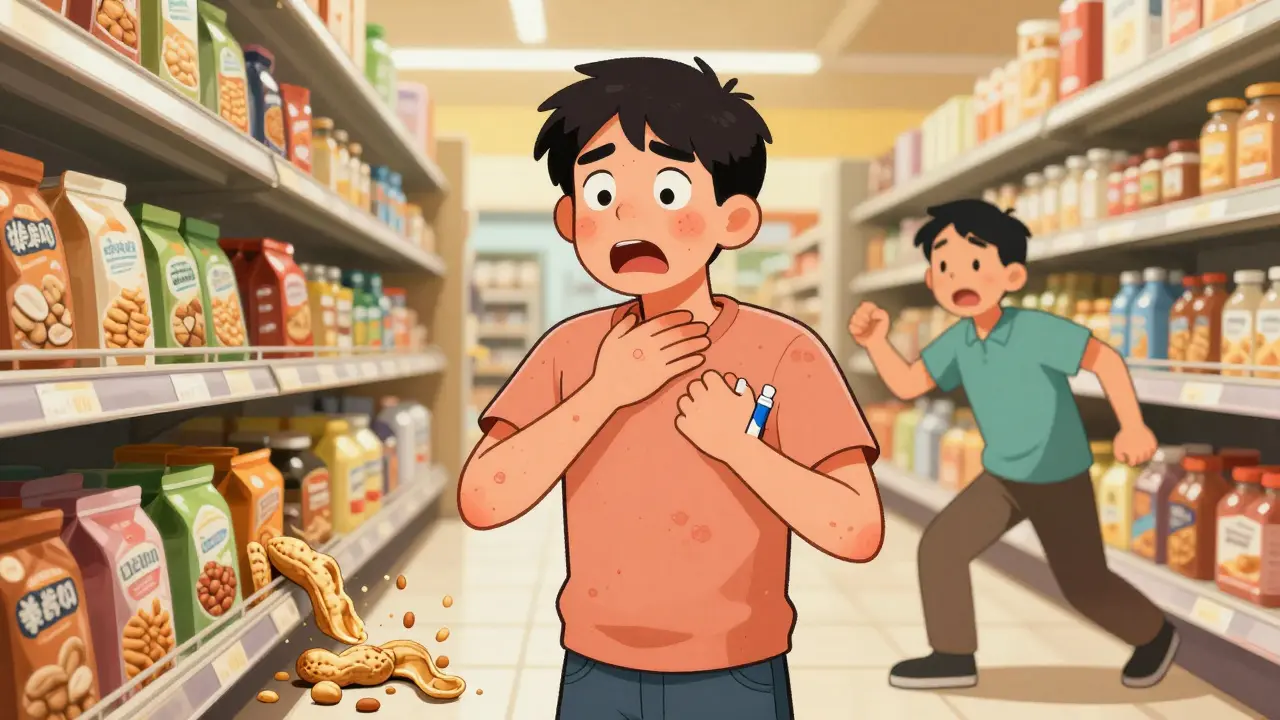
When someone suddenly struggles to breathe, their skin breaks out in hives, and their throat starts to swell - time isn’t just important, it’s everything. This is anaphylaxis, a severe allergic reaction that can turn deadly in minutes. It doesn’t wait for permission. It doesn’t care if you’re at home, at school, or in the middle of a grocery store. And if you don’t act fast, the outcome can be fatal.
What Exactly Is Anaphylaxis?
Anaphylaxis isn’t just a bad allergy. It’s a full-body emergency. Your immune system overreacts to something harmless - like peanuts, bee stings, or penicillin - and sends your body into chaos. Blood pressure drops. Airways tighten. Organs start to shut down. The term comes from Greek, meaning "without protection," and it was first described over a century ago by Nobel Prize-winning scientists studying toxin reactions. Today, doctors use clear criteria to diagnose it: you need sudden symptoms - usually within minutes - involving skin (like hives or swelling), plus either trouble breathing, low blood pressure, or problems with your gut (like vomiting). About 80% to 90% of cases include skin symptoms. Around 70% involve breathing issues like wheezing or tightness in the throat. And about one in three people experience dangerously low blood pressure. It’s not rare. In the U.S., about 1.6% of people - more than 5 million - have had anaphylaxis. Rates are rising, especially among children. Peanut allergies alone have tripled since the 1990s. That’s why knowing the signs isn’t optional - it’s survival.Why Epinephrine Is the Only Thing That Works
You’ve probably heard of EpiPen. Maybe you’ve seen the ads. But here’s the truth: epinephrine isn’t just the best treatment for anaphylaxis - it’s the only treatment that can save your life. Other things people reach for - antihistamines like Benadryl, or steroids like prednisone - do nothing to stop the collapse of your airway or circulation. A Cochrane review found antihistamines have 0% effectiveness as a standalone treatment. Steroids might help prevent a second wave of symptoms hours later, but they won’t stop the immediate danger. Epinephrine works because it’s a chemical your body already makes under stress. It tightens blood vessels to raise blood pressure, opens up your airways, and calms the runaway immune response. It’s fast. It’s powerful. And when given correctly, 85% of people feel better within five minutes. The science is clear: emergency doctors and allergists agree - epinephrine is non-negotiable. As Dr. Robert Wood from Johns Hopkins says, "There is no substitute."How to Use an Epinephrine Auto-Injector
There are several brands: EpiPen, Auvi-Q, Adrenaclick, and now Neffy - a nasal spray approved in 2023. But no matter the device, the method is the same. Step one: Inject into the outer thigh. Not the arm. Not the butt. The front of the thigh, where the muscle is thickest. This lets the drug enter your bloodstream in about eight minutes - twice as fast as injecting into the arm. Step two: Hold it in place for three seconds. Most people rush this. They jab it, pull it out, and think they’re done. But you need to hold it firmly against the skin to deliver the full dose. Step three: Call 911 immediately - even if you feel better. Anaphylaxis can come back. That’s called a biphasic reaction. About 20% of cases do. You need to be monitored for at least 12 hours if you’re high-risk - especially if you have asthma or heart problems. Dosing depends on weight. Adults and teens over 30 kg (about 66 pounds) get 0.3 mg. Kids between 15 and 30 kg get 0.15 mg. Using the wrong dose can be dangerous. Always check the label.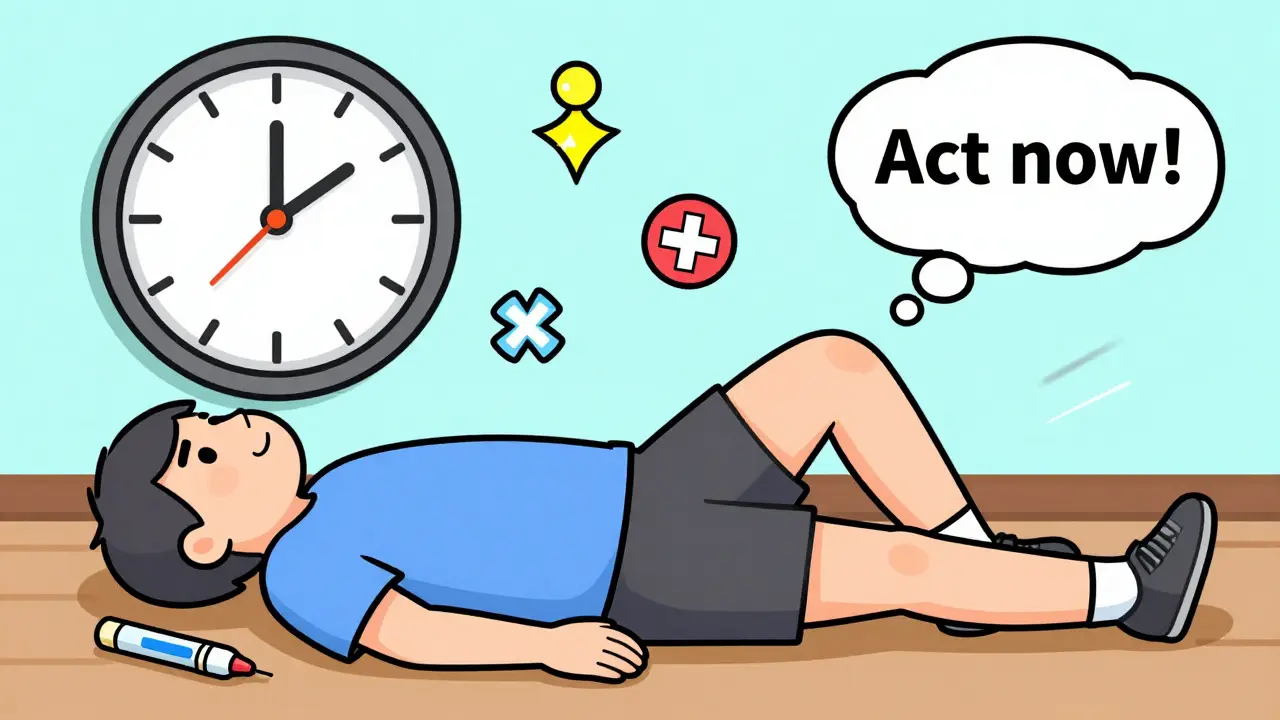
Why People Delay - And Why That’s Deadly
Here’s the scary part: in nearly half of all anaphylaxis cases, people wait too long to use epinephrine. Some think it’s just a rash. Others worry about the side effects - a racing heart, shaking, or feeling anxious. Those are normal. They mean the drug is working. The real danger is waiting for symptoms to get "worse." A 2020 study found 43% of patients waited until they were gasping for air or passed out before injecting. That’s too late. The median time to epinephrine in real-world cases is still 15 minutes - even though guidelines say to act at the first sign. Needle fear is real. About 22% of people avoid carrying their injector because they’re scared of needles. But the needle is tiny. The pain lasts less than a second. The alternative? Death.What to Do After the Injection
After you give the shot, you’re not done. Here’s what to do next:- Call 911. Don’t rely on someone else to do it. Do it yourself if you can.
- Lie down with your legs raised if you feel dizzy. This helps blood flow to your heart and brain.
- Don’t stand up or walk around. You could pass out.
- Even if you feel fine, go to the hospital. You need monitoring.
- If symptoms return - and they often do - give a second dose after five minutes.
Keeping Your Injector Ready
Epinephrine doesn’t last forever. Most auto-injectors expire in 12 to 18 months. Heat and cold ruin them. Don’t leave yours in the car in summer or in your coat pocket in winter. Store it at room temperature - between 68°F and 77°F. Check the fluid inside. If it looks cloudy, brown, or has particles, replace it. Don’t wait until the expiration date. Practice with a trainer device. These are cheap, non-functional copies that let you simulate the real thing. Use it once a month. Get your family, coworkers, or school staff to practice too. Only 32% of people can use the device correctly without training.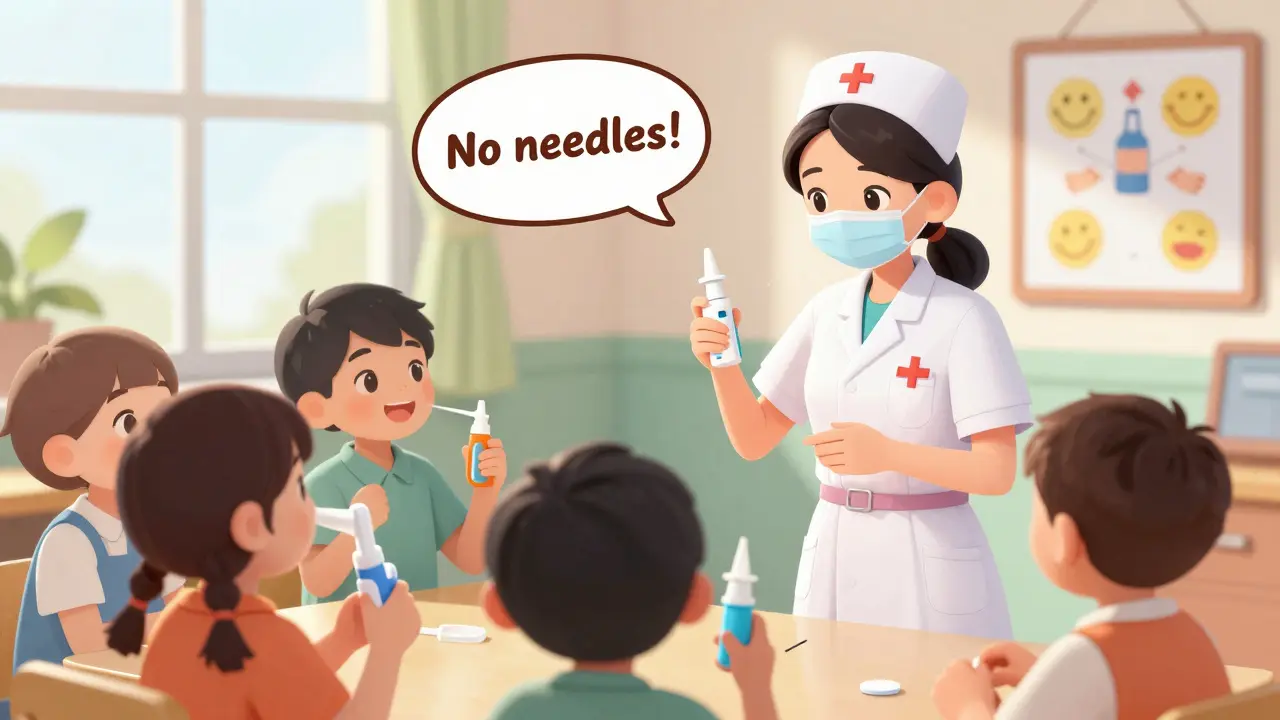
Cost, Access, and the Real Barriers
The cost of epinephrine auto-injectors is still a problem. In 2023, the list price was $375 to $650 for a two-pack. But thanks to generics and insurance, most people pay under $200 - and some pay nothing. Generic versions now make up 70% of prescriptions in the U.S. But access isn’t equal. Only 45% of low-income patients keep their prescription current. Many skip refills because they can’t afford them. That’s why school stock programs are so important. All 50 U.S. states now require schools to keep epinephrine on hand - and 92% do. That saves lives when a child has a reaction and doesn’t have their own injector.What’s Next?
New tools are coming. Neffy, the nasal spray, gives people a needle-free option - great for kids or those terrified of injections. Smart injectors with Bluetooth are being tested; they can alert family members when used. And long-lasting versions are in trials, which could mean fewer refills. There’s also promising research on Xolair (omalizumab), a monthly shot that reduces the risk of severe reactions in people with food allergies. In trials, it cut the need for epinephrine by two-thirds. But it’s not a replacement - it’s a shield. Epinephrine still has to be carried.Final Takeaway: Be Ready, Act Fast
Anaphylaxis doesn’t announce itself with warning signs. It strikes fast. And it doesn’t care how prepared you think you are. If you or someone you love has a known allergy - or even if you’ve had a strange reaction before - talk to your doctor. Get tested. Get prescribed. Carry the injector. Practice with the trainer. Teach your kids, your partner, your coworkers. Because when seconds count, the only thing that matters is having the right tool in your hand - and the courage to use it.
9 Comments

Jamie Hooper
so i had a friend once go into anaphylaxis at a birthday party and everyone just stood there like it was a meme… she had the epipen right in her bag but no one knew how to use it. we called 911 but it took 20 mins for them to get there. she’s fine now but… yikes. 🤢

Marlon Mentolaroc
let’s be real - benadryl is the placebo of anaphylaxis. i’ve seen people reach for it like it’s a magic wand. it’s not. it’s just a nap in a pill. epinephrine is the only thing that stops the train before it hits the wall. period.

Shelby Marcel
i just checked my epipen and it’s been 14 months… is it still good? the liquid looks clear but i’m scared to use it if it’s expired. also, does heat really ruin it? i keep mine in my purse and it’s always hot in my car 😅

blackbelt security
you don’t need to be a doctor to save a life. you just need to be brave enough to jab it in the thigh and not overthink it. practice with a trainer. teach your kids. keep one at work. this isn’t optional - it’s basic human responsibility.

Tommy Sandri
the cultural disparity in access to epinephrine is alarming. in many parts of the world, even basic allergy management is a luxury. while we debate costs in the U.S., other nations lack even basic emergency protocols. global equity in anaphylaxis care is not just a medical issue - it’s a human rights issue.

Sushrita Chakraborty
While I deeply appreciate the thoroughness of this article, I must emphasize that the emphasis on epinephrine as the sole intervention must be contextualized within healthcare infrastructure disparities. In many regions, even basic emergency response systems are under-resourced; thus, while epinephrine remains critical, systemic support - including training, affordability, and public awareness - must be simultaneously prioritized to ensure equitable outcomes.

Josh McEvoy
my mom cried when she saw my epipen… said it looked like a weapon 😂 i told her it’s my superhero cape. also, i keep two in my backpack - one for me, one for my dumbass roommate who thinks he’s invincible. 🤡💉

Sawyer Vitela
43% wait until gasping. 22% avoid needles. 32% can’t use it right. 20% get biphasic. 0% benefit from antihistamines alone. stop pretending this is complicated. it’s not. it’s just ignored.

Shanta Blank
epinephrine isn’t just medicine - it’s a middle finger to fate. it’s the difference between a funeral and a birthday cake. people treat it like a last resort. it’s not. it’s the first, last, and only move. if you’re hesitating, you’re already losing. don’t be the person who says "i thought it was just a rash."

Write a comment