Citalopram vs Escitalopram: Managing QT Prolongation and Dose Limits
SSRI Cardiac Risk & Dose Checker
Disclaimer: This tool is for educational purposes based on clinical averages. It does not replace professional medical advice or an ECG. Always consult your doctor regarding medication changes.
How QT Prolongation Actually Works
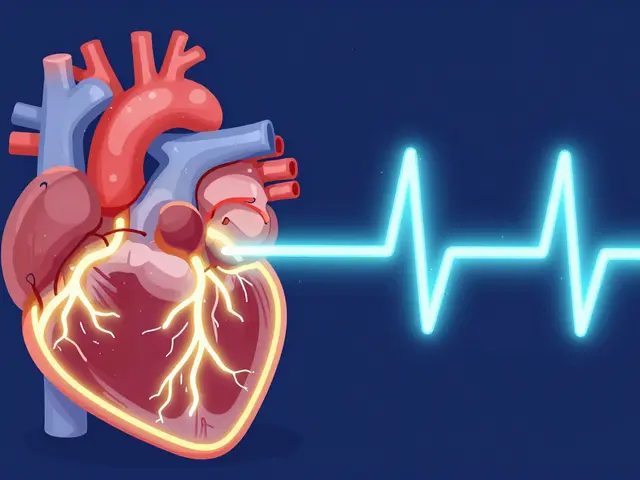
To understand the risk, you have to understand the "QT interval." This is the time it takes for your heart's lower chambers (ventricles) to electrically reset after each beat. When a drug causes "prolongation," it means this reset takes longer than it should. Both citalopram and escitalopram achieve this by blocking hERG potassium channels. These channels act like a gate that lets potassium leave the heart cells. When these gates are blocked, potassium efflux slows down, the repolarization period stretches, and the QT interval lengthens. Why does this matter? When the interval gets too long, the heart becomes vulnerable to a specific, life-threatening arrhythmia called Torsades de Pointes (TdP). This can spiral into ventricular tachycardia or fibrillation, which is essentially the heart fluttering instead of pumping blood.The Dose-Response Relationship: The Numbers
One of the most important things to realize is that this isn't an "all or nothing" risk. It is dose-dependent. The more of the medication in your system, the longer the QT interval tends to become. For citalopram, the increase is quite visible as the dose climbs. At 20mg, the average increase is about 8.5ms. If you bump that to 40mg, it hits 12.6ms. At 60mg, it jumps to 18.5ms. While an 18.5ms increase might not sound like much, it adds up if you already have a naturally long QT interval or are taking other medications. Escitalopram is generally gentler. At 10mg, the increase is only about 4.5ms. Even at a high dose of 30mg, the increase is around 10.7ms. This is why many doctors prefer escitalopram for patients who already have some cardiac concerns; it simply doesn't push the heart's electrical system as hard.| Drug | Low Dose | Medium Dose | High Dose |
|---|---|---|---|
| Citalopram | 8.5ms (20mg) | 12.6ms (40mg) | 18.5ms (60mg) |
| Escitalopram | 4.5ms (10mg) | 6.6ms (20mg) | 10.7ms (30mg) |
Strict Dose Limits and Regulatory Warnings
Back in 2011, health agencies like the FDA in the US and the MHRA in the UK issued serious warnings. They realized that high doses were pushing some patients into the danger zone. This led to strict new caps on how much of these drugs can be prescribed. For citalopram, the general limit is now 40mg per day. However, if you are over 65, that limit drops to 20mg. For escitalopram, the standard cap is 20mg, but for seniors, it's limited to 10mg. Why the lower limit for seniors? As we age, our metabolism and elimination processes slow down. This means the drug stays in the system longer and reaches higher concentrations in the blood, increasing the risk of heart rhythm issues even at doses that would be safe for a 30-year-old.
When Should You Be Extra Cautious?
For the average healthy adult, these medications are very safe. But there are "red flag" scenarios where the risk of QT prolongation becomes a primary concern. First, look at pre-existing conditions. If you have congenital long QT syndrome, a history of bradycardia (slow heart rate), or you've recently had a heart attack (myocardial infarction), these SSRIs might not be the best choice. Second, consider electrolyte imbalances. Low levels of potassium or magnesium in the blood make the heart much more sensitive to QT-prolonging drugs. If you're on a diuretic for blood pressure, for example, your potassium might be low, which effectively "primes" the heart for an arrhythmia if you add an SSRI into the mix. Finally, watch out for drug-drug interactions. Combining citalopram or escitalopram with other medications that also prolong the QT interval-such as certain antipsychotics or some antibiotics-can create a cumulative effect that pushes you over the clinical threshold.Comparing the Broader Antidepressant Landscape
If you're worried about your heart, it's worth knowing that not all antidepressants are created equal. The risk varies wildly across different classes of medication. Other SSRIs, such as sertraline, fluoxetine, and paroxetine, generally have minimal effects on the QT interval. They are often seen as "cardiac-neutral" options. On the flip side, older tricyclic antidepressants (TCAs) like amitriptyline are well-known for prolonging the QT interval and are usually avoided in patients with heart disease. Then there are the SNRIs (Serotonin-Norepinephrine Reuptake Inhibitors). Most of these are low-risk, though venlafaxine requires a bit of caution, particularly in overdose situations or in elderly patients. Essentially, if you need the mood-boosting effects of an SSRI but have a fragile heart, switching from citalopram to sertraline or escitalopram is a common and effective clinical strategy.
Clinical Monitoring: When is it "Too Much"?
Doctors use a specific threshold to decide when a QT interval is clinically dangerous. The general rule of thumb is that an absolute QTc interval of 500 milliseconds or longer is a major red flag. Similarly, if a patient's interval increases by 60 milliseconds or more from their baseline, it's time to reconsider the medication. How do they measure this? An ECG (Electrocardiogram) is the only way. By measuring the time from the start of the Q wave to the end of the T wave, clinicians can pinpoint exactly how much the drug is affecting the heart. Does every patient need an ECG? Not usually. For most people, the risk is so low that routine monitoring isn't necessary. However, if you're starting a high dose, are over 65, or have a history of heart issues, a baseline ECG and a follow-up check after the first few weeks of treatment is a smart, safe move.Is it safe to switch from Citalopram to Escitalopram?
Yes, this is a common clinical practice. Because escitalopram is the pure S-enantiomer of citalopram, it typically offers a more favorable cardiac risk profile while providing similar antidepressant effects. However, the switch should always be managed by a doctor to ensure the dose is adjusted correctly.
What are the symptoms of Torsades de Pointes?
TdP is a rapid, irregular heart rhythm. Symptoms can include sudden dizziness, fainting (syncope), palpitations, or a feeling of shortness of breath. Because it can lead to cardiac arrest, these symptoms require immediate emergency medical attention.
Why are the dose limits lower for people over 65?
Aging causes a natural decline in how the liver and kidneys metabolize and eliminate drugs. This means medication stays in the bloodstream longer and reaches higher concentrations, which increases the likelihood of prolonging the QT interval even at lower doses.
Can I take these medications if I have a slow heart rate?
Bradycardia (a slow heart rate) can increase the risk of arrhythmias when combined with QT-prolonging drugs. If you have a slow heart rate, your doctor will likely want to perform an ECG before prescribing citalopram or escitalopram to ensure your baseline interval is safe.
Do I need to stop my medication if my QT interval is slightly long?
Not necessarily. A slight increase in the QT interval indicates a potential for an event, not a guarantee that one will happen. Treatment is individualized. Your doctor will weigh the benefit of the antidepressant against the cardiac risk and may simply lower the dose or add a different medication.
Next Steps for Patients and Caregivers
If you are currently taking one of these medications, don't panic. The risk of a serious heart event is very low for the vast majority of people. However, taking a proactive approach is always better. If you're over 65 or have a history of heart issues, ask your doctor: "Is my current dose within the recommended safety limits for my age?" and "Would a baseline ECG be a good idea for me?" Keep a current list of all your medications and supplements. This helps your provider spot potential interactions that could increase your risk of QT prolongation. If you experience sudden fainting or extreme dizziness, contact your healthcare provider immediately, as these can be early warning signs of a rhythm disturbance.