Lithium NSAID Interaction: Risks, Signs, and What to Do
When you take lithium, a mood-stabilizing medication used primarily for bipolar disorder and also use NSAIDs, nonsteroidal anti-inflammatory drugs like ibuprofen, naproxen, or celecoxib, you’re risking a dangerous buildup of lithium in your body. This isn’t a rare issue—it’s one of the most common and serious drug interactions, when two medications affect each other’s behavior in the body that doctors see in patients on long-term lithium therapy. The problem isn’t that NSAIDs make lithium less effective. It’s the opposite: they make lithium stick around longer, increasing your chance of poisoning.
Lithium is cleared by your kidneys. NSAIDs reduce blood flow to the kidneys, which slows down how fast your body gets rid of lithium. Even a short course of ibuprofen for a headache or sore back can push lithium levels into the toxic range. You might not feel anything at first, but symptoms like tremors, confusion, nausea, frequent urination, or muscle weakness can sneak up fast. If you’ve been on lithium for years and just started taking an OTC painkiller, you could be in danger without realizing it. The FDA and multiple clinical studies have flagged this interaction as high-risk, especially for older adults or anyone with even mild kidney issues. Many patients don’t know this until they end up in the ER.
It’s not just ibuprofen. Naproxen, diclofenac, meloxicam—even aspirin in high doses—can do the same thing. Some people think switching to acetaminophen (Tylenol) is a safe fix, and it usually is. But you still need to talk to your doctor before making any changes. Your lithium level needs regular blood tests, and if you start or stop any new medication, your doctor should check it again within a week. There’s no such thing as a "safe" NSAID while on lithium unless your doctor says so. And if you’re already feeling off—dizzy, clumsy, or unusually tired—don’t wait. Get your lithium level checked now.
The posts below give you real-world examples of how this plays out. You’ll find guides on how to spot early signs of lithium toxicity, what to do if you accidentally took an NSAID, how kidney health affects lithium clearance, and alternatives to NSAIDs that won’t put you at risk. These aren’t theory pages—they’re written by people who’ve lived through this, or doctors who’ve seen the consequences. Whether you’re on lithium yourself or caring for someone who is, this collection gives you the clear, no-nonsense info you need to stay safe.
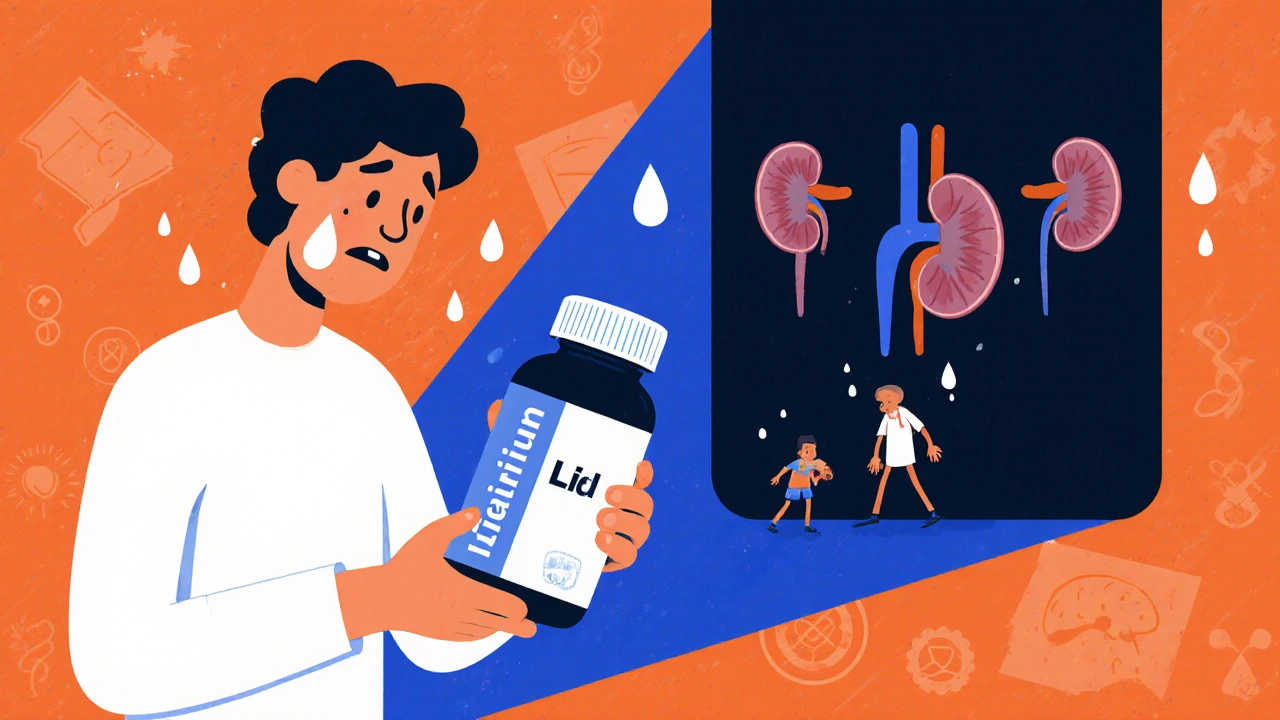
Lithium and NSAIDs: Understanding the Dangerous Kidney Risks
Lithium and NSAIDs like ibuprofen can dangerously interact, raising lithium levels by up to 60% and increasing kidney injury risk. Learn why this combo is life-threatening and what safer alternatives exist.
Read MoreRecent Posts
-
Packing Medications for Air Travel: Best Practices for Safety
-

OTC Gas and Bloating Remedies: Simethicone vs Enzyme Products Explained
-
Addressing Patient Concerns About Generic Medications: Common Questions Answered
-
Long-Term Antihistamine Use: Why Your Allergy Medication Might Stop Working
-
Online Reviews: How Patient Experiences Shape Trust in Generic Medications
