Statin-Induced Myopathy: Causes, Symptoms, and What to Do
When you take a statin to lower cholesterol, you expect better heart health—not statin-induced myopathy, a muscle disorder triggered by cholesterol-lowering drugs that causes pain, weakness, and sometimes dangerous tissue damage. Also known as drug-induced myopathy, it’s not rare, and it’s often mistaken for normal aging or overexertion. About 5-10% of people on statins report muscle symptoms, and while most cases are mild, a small fraction can lead to rhabdomyolysis—a serious condition where muscle fibers break down and flood the bloodstream with toxins.
This isn’t just about sore legs after a workout. statin side effects, a range of reactions from mild fatigue to severe muscle breakdown happen because statins interfere with the production of coenzyme Q10, which muscles need for energy. Older adults, people with kidney or liver issues, and those taking other meds like fibrates or certain antibiotics are at higher risk. Even low doses can trigger it if your body metabolizes the drug slowly. It’s not about taking too much—it’s about how your body handles it.
If you’ve started a statin and now feel constant aches, especially in your thighs or shoulders, or notice dark urine after exercise, don’t brush it off. That’s not normal. Blood tests for creatine kinase (CK) can confirm muscle damage, and sometimes just switching to a different statin or lowering the dose helps. Some people find relief by adding coenzyme Q10 supplements, though evidence is mixed. The key is to talk to your doctor before stopping anything—going cold turkey can spike your cholesterol fast.
What you’ll find below are real, practical guides from people who’ve been there: how to tell if your muscle pain is from statins or something else, what alternatives exist if you can’t tolerate them, how diet and exercise play a role, and why some people never have issues while others do. These aren’t theory pieces—they’re lived experiences and medical facts, packed with what actually works when your body says no to the pill.
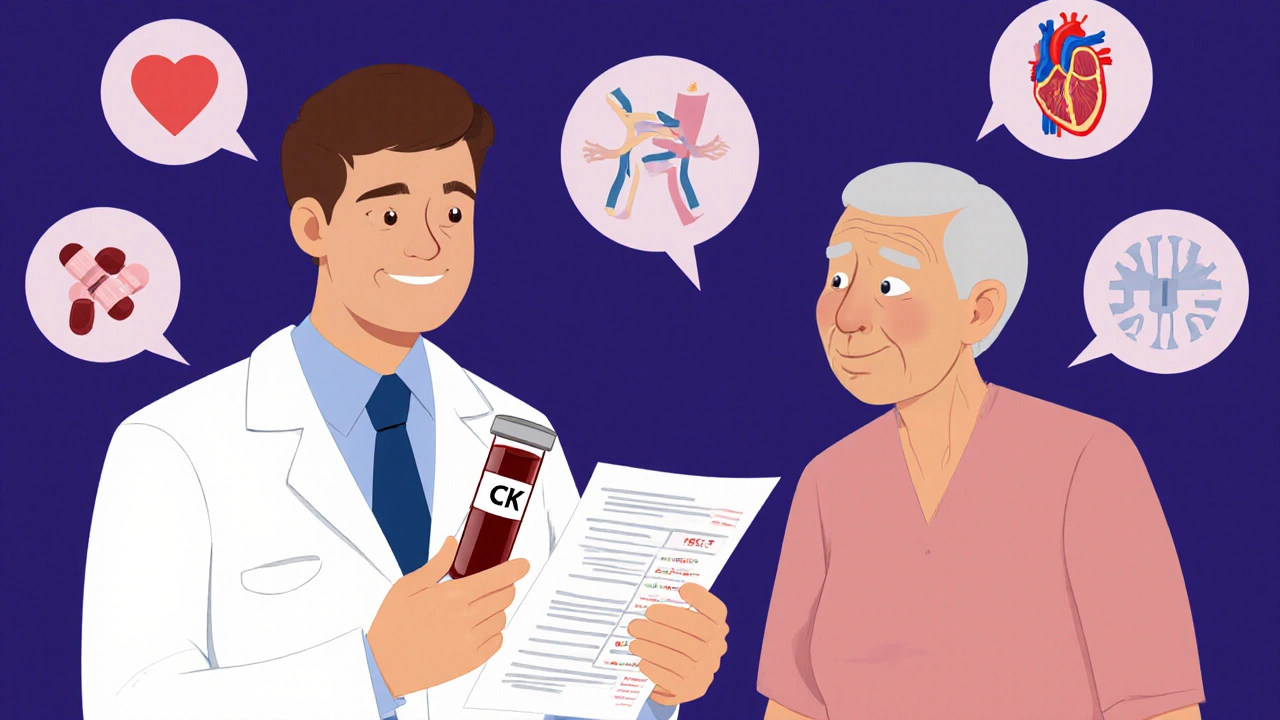
When to Test CK Before Starting Statins: A Practical Guide
Baseline CK testing before starting statins helps identify muscle risks and prevents unnecessary drug stoppages. Learn who needs it, what the numbers mean, and how to use the results wisely.
Read MoreRecent Posts
-
Packing Medications for Air Travel: Best Practices for Safety
-
Addressing Patient Concerns About Generic Medications: Common Questions Answered
-

OTC Gas and Bloating Remedies: Simethicone vs Enzyme Products Explained
-
Long-Term Antihistamine Use: Why Your Allergy Medication Might Stop Working
-
Chronic Insomnia: Why Sleep Hygiene Alone Fails and What Actually Works
