Statin Muscle Side Effects: What You Need to Know Before Stopping
When you take a statin, a class of cholesterol-lowering drugs used to reduce heart attack and stroke risk. Also known as HMG-CoA reductase inhibitors, they work by blocking a liver enzyme that makes cholesterol. Millions rely on them—but many stop because of muscle pain, fatigue, or weakness. This isn’t just "normal aging." It’s a real, measurable reaction called statin myopathy, muscle damage caused by statins that ranges from mild soreness to dangerous rhabdomyolysis.
Not everyone gets it, but up to 1 in 10 people report muscle discomfort. The pain usually shows up in the shoulders, thighs, or back, and gets worse with movement. It’s not the same as soreness from a workout. If you start a statin and two weeks later your legs feel heavy or you can’t climb stairs like before, that’s a signal—not a coincidence. The statin intolerance, a condition where side effects force patients to reduce or stop their statin dose is real, and it’s underdiagnosed. Many doctors assume the pain is unrelated, but studies show a clear link between statin use and muscle symptoms, especially in older adults, women, and those with thyroid issues or low vitamin D.
Here’s the catch: stopping your statin without a plan is riskier than enduring the discomfort. Statins cut heart attacks by 25% or more in high-risk patients. The question isn’t whether to take them—it’s how to take them safely. You might need a lower dose, a different statin like pravastatin or fluvastatin (which are less likely to cause muscle issues), or a non-statin alternative like ezetimibe or PCSK9 inhibitors. Blood tests for CK (creatine kinase) can help confirm if muscle damage is happening. And don’t ignore vitamin D or CoQ10—low levels make muscle side effects worse.
Some people think switching to a "natural" remedy fixes it. But red yeast rice? It contains the same active compound as lovastatin—and it’s unregulated. That’s not safer. What works is a smart, step-by-step approach: track your symptoms, get tested, adjust under supervision, and don’t give up on heart protection. The posts below cover real cases, alternative treatments, how to talk to your doctor, and what science says about recovery. You don’t have to live with aching muscles or risk a heart attack. There’s a middle ground—and it’s not guesswork.
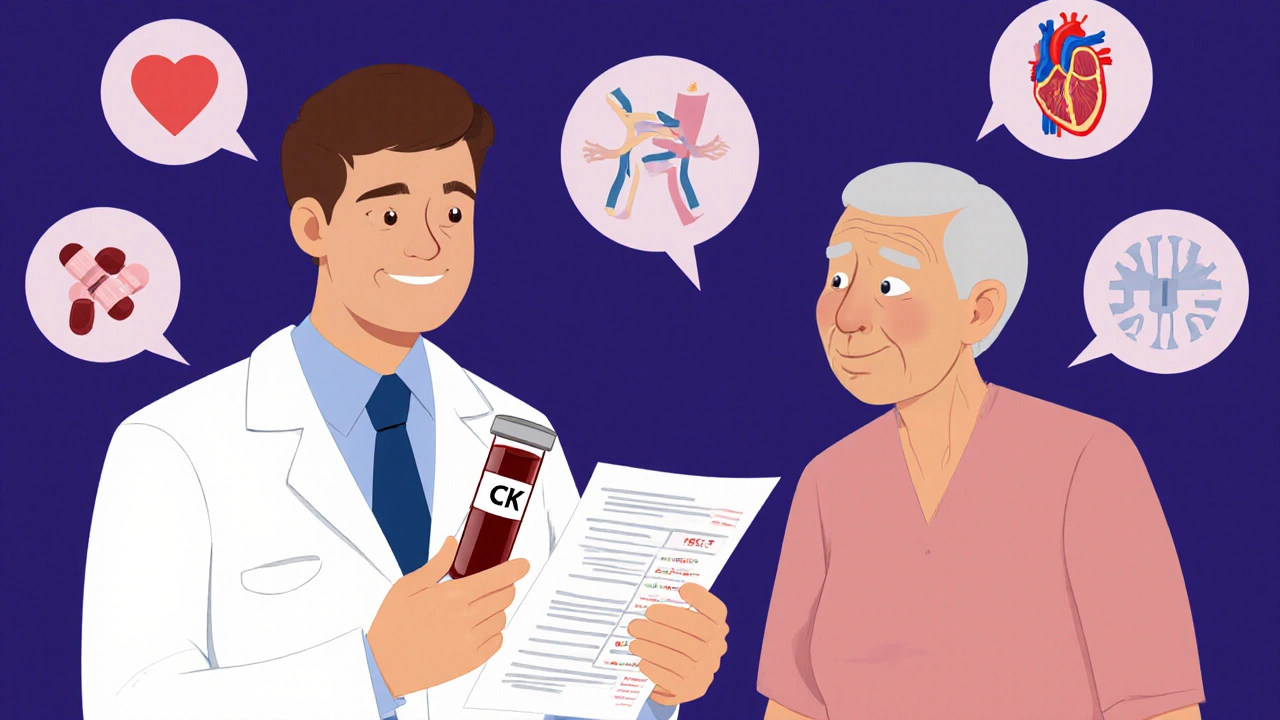
When to Test CK Before Starting Statins: A Practical Guide
Baseline CK testing before starting statins helps identify muscle risks and prevents unnecessary drug stoppages. Learn who needs it, what the numbers mean, and how to use the results wisely.
Read MoreRecent Posts
-
Long-Term Antihistamine Use: Why Your Allergy Medication Might Stop Working
-
Chronic Insomnia: Why Sleep Hygiene Alone Fails and What Actually Works
-

Online Reviews: How Patient Experiences Shape Trust in Generic Medications
-

OTC Gas and Bloating Remedies: Simethicone vs Enzyme Products Explained
-
Addressing Patient Concerns About Generic Medications: Common Questions Answered
