Understanding High-Altitude Sedative Risks: Respiratory Safety Guide

High-Altitude Sleep Safety Calculator
Assess Your Trip Safety
Risk Assessment Result
- Impact on Breathing: -
- Estimated Oxygen Drop: -
-
Expert Recommendation:
Imagine trying to sleep at 3,500 meters while your lungs struggle to get enough oxygen. You reach for a sleeping pill or a drink to help you rest, only to make the problem worse. This scenario highlights a dangerous mix that many travelers overlook until symptoms appear. The combination of high-altitude travel and sedatives creates a specific clinical risk due to reduced oxygen availability. Above 2,500 meters, the air gets thinner, and your body works harder just to breathe. Adding a drug that slows down breathing can interfere with survival mechanisms meant for altitude.
The Physiology of Breathing at Height
To understand why sedatives are risky, you first need to know how your body handles low oxygen. When you climb above 8,200 feet, the partial pressure of oxygen drops significantly. Specifically, it decreases by approximately 6.5% per 1,000 meters gained. Your brain notices this lack of oxygen and triggers a response called the hypoxic ventilatory response. This mechanism forces you to breathe faster and deeper to compensate for the thin air. However, this process is delicate. If you suppress it artificially, your oxygen levels can crash dangerously low while you sleep.
This phenomenon leads to something known as periodic breathing. Studies show that roughly 75% of travelers experience this at elevations above 2,700 meters. Periodic breathing involves cycles of rapid breaths followed by pauses where breathing stops momentarily. While some degree of this is normal at altitude, introducing external depressants pushes this cycle toward apnea-a state where you stop breathing entirely for extended periods. The medulla in your brain controls breathing rates, and certain chemicals tell this control center to slow down right when your body needs to speed up.
How Different Substances Affect Oxygen Levels
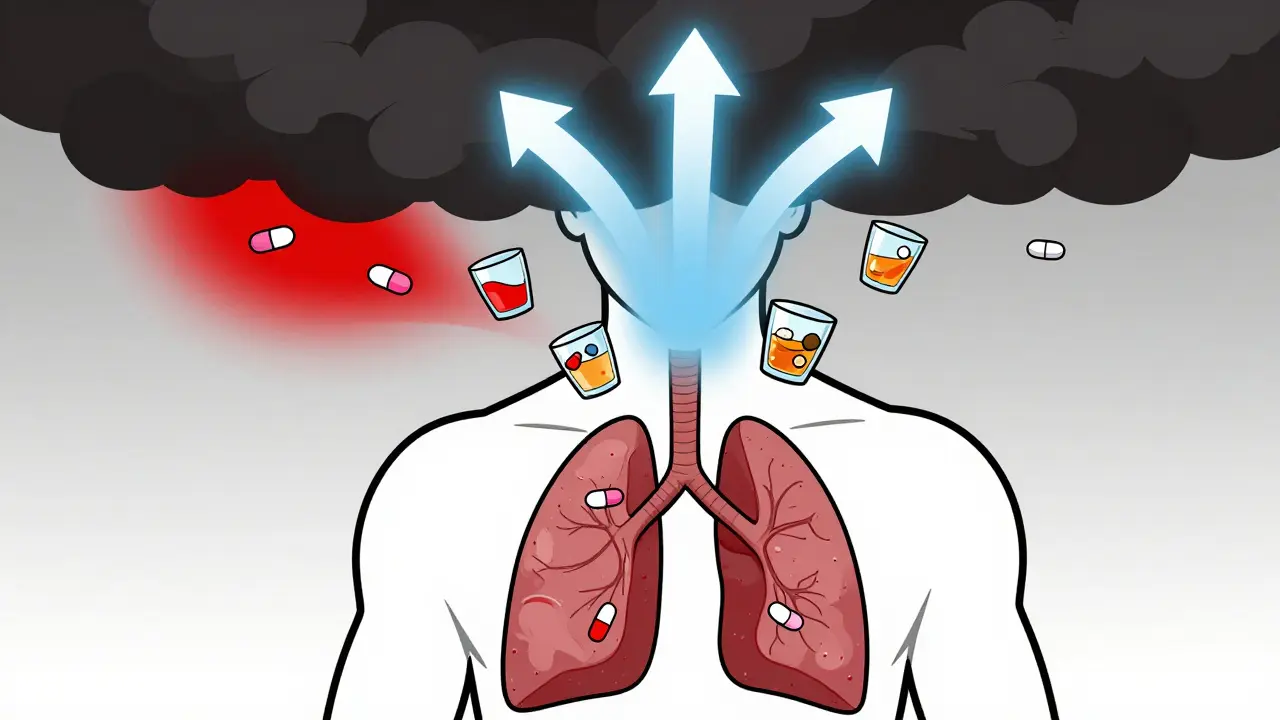
Not all sleep aids carry the same level of danger. Some substances are far more problematic than others, yet many people use them interchangeably to combat insomnia during trekking or mountain flights. Alcohol remains the most commonly used sedative despite being one of the worst choices. Research indicates that alcohol reduces the hypoxic ventilatory response by approximately 25% even at low blood concentrations. A 2010 case series documented that therapeutic doses of opiates could cause oxygen saturation to drop below 80% at 4,500 meters, a level associated with severe tissue hypoxia.
Benzodiazepines, such as diazepam and lorazepam, present substantial risks as well. Clinical observations have shown these drugs decrease ventilation by 15% to 30% in high-altitude environments. They work by enhancing the effect of GABA in the brain, which calms neural activity but also lowers the drive to breathe. One user on a mountaineering forum reported their oxygen saturation dropping from 88% to 76% after taking 0.5 mg of lorazepam at 4,200 meters. That kind of drop can feel like choking or waking up gasping for air. Even small doses matter when the margin of safety is already slim.
In contrast, short half-life non-benzodiazepine hypnotics offer a different profile. For example, zolpidem at 5 mg has been found to be generally safe in controlled settings. A study published in the Journal of Travel Medicine found it caused only a 2.3% reduction in nocturnal oxygen saturation compared to placebo. However, this comes with strict caveats. You need at least eight hours for the medication to dissipate before undertaking physical activities. The timing matters immensely. Taking it too late in the night might leave residual sedation affecting your coordination the next morning when navigating steep trails.
Safe Alternatives for Sleep Disturbance
If you are struggling to sleep at altitude, there are options that do not depress respiration. Melatonin is frequently mentioned as a promising alternative. Doses ranging from 0.5 mg to 5 mg have shown no significant respiratory depression in small-scale studies. In fact, recent research suggests low-dose melatonin may slightly improve oxygenation rather than harm it. While the CDC notes it has not been fully studied specifically for altitude-related sleep issues, the consensus leans toward it being safer than traditional pills.
Another strategy involves preventing the need for sedation altogether through medication management before ascent. Acetazolamide is widely recommended to prevent Acute Mountain Sickness. It helps raise nocturnal oxygen saturation and reduces periodic breathing by making your urine more acidic, which stimulates breathing. The CDC recommends 125 mg twice daily starting before ascent. This addresses the root cause of sleep disruption-the hypoxia itself-rather than masking the symptom with a drug that dampens the warning signals your body relies on.
| Substance | Risk Level | Oxygen Impact | Recommendation |
|---|---|---|---|
| Alcohol | Very High | Reduces SpO2 by 5-10% | Avoid completely |
| Benzodiazepines | High | Reduces ventilation 15-30% | Contraindicated |
| Zolpidem | Moderate | ~2.3% reduction | Use with caution |
| Melatonin | Low | No significant drop | Preferred option |
What Experts Say About Medication Safety
The medical community speaks with remarkable uniformity on this issue. Dr. Peter Hackett, a leading voice in altitude medicine, states unequivocally that any medication depressing respiration is contraindicated above 2,500 meters. Major institutions like the Cleveland Clinic and Healthdirect Australia echo this advice clearly. Their guidance is not theoretical; it is based on case reports of serious illness precipitated by seemingly harmless nightly routines.
The Wilderness Medical Society updated its clinical practice guidelines in 2024 to reinforce the absolute contraindication of respiratory depressants during acclimatization. They emphasize that using sedatives that suppress respiratory drive can exacerbate periodic breathing and potentially precipitate life-threatening conditions like High Altitude Pulmonary Edema. The logic is straightforward: you cannot afford to lose the natural alarm system your body develops when oxygen runs low. Ignoring this alarm is what turns a mild headache into a medical emergency requiring immediate evacuation.
User experiences documented on platforms like Reddit and Thorn Tree validate these warnings. Surveys indicate that nearly 41% of high-altitude travelers consume alcohol during initial acclimatization despite the risks. Those who do often report worsening symptoms, moving from mild headaches to severe nausea and inability to continue climbing. These anecdotal records serve as a reality check for those considering the convenience of a nightcap over the science of physiology.
Practical Strategies for Safe Travel
Preparing for high-altitude trips requires planning beyond just packing bags. You should consult a travel medicine specialist at least four to six weeks before departure. This allows time to adjust prescriptions if necessary. If you rely on medication for anxiety or sleep, bring alternatives that do not affect breathing. Documentation of your condition and doctor's approval for specific dosages is crucial when entering remote areas.
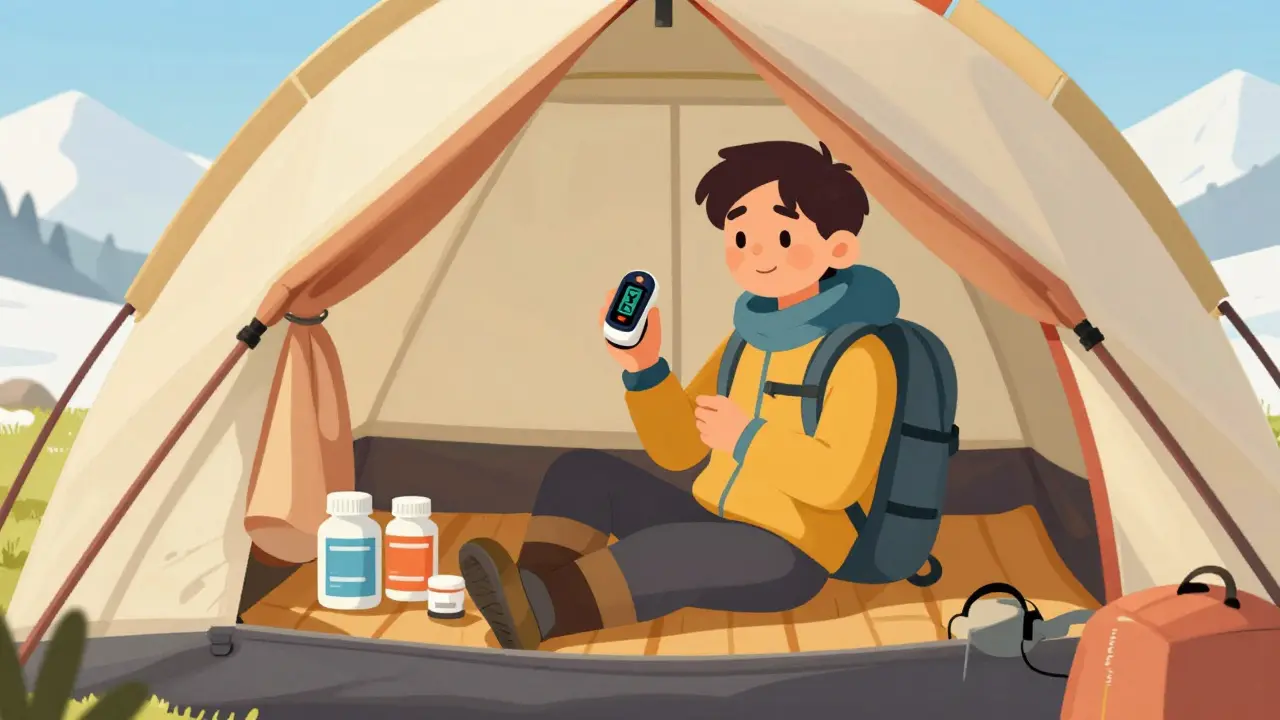
Monitoring your own vitals gives you objective data. Portable pulse oximeters have seen increased adoption, with sales rising by 22% year-over-year recently. These devices allow you to measure your oxygen saturation continuously. If you notice a drop below 85% while resting, it is a signal to descend. Never ignore numbers just because you feel "okay." Subjective feeling often lags behind physiological reality at altitude.
Acclimatization is the best preventative measure. Allow 24 to 48 hours for your body to adjust before ascending further above 2,500 meters. Avoid alcohol for the first two days entirely. Stay hydrated and move slowly. The goal is to let your kidneys produce more bicarbonate buffer and your red blood cells increase production naturally. Rushing this process invites sickness, and adding sedatives accelerates the danger exponentially.
Can I take my usual sleeping pills at high altitude?
Generally, no. Most prescription sleeping pills, especially benzodiazepines, depress respiration and interfere with your body's ability to adapt to low oxygen. Always consult a doctor specialized in travel medicine before taking them.
Is alcohol safe to drink at 3,000 meters?
No, alcohol is considered unsafe. It significantly reduces the hypoxic ventilatory response and increases the risk of severe oxygen desaturation during sleep. Avoid it completely during the first 48 hours.
What is the safest sleep aid for altitude insomnia?
Melatonin is currently viewed as the safest option among over-the-counter aids. Studies suggest it does not cause significant respiratory depression and may even help regulate sleep cycles without lowering oxygen levels.
Why is acclimatization important before taking any meds?
Acclimatization takes 24-48 hours for your body to begin increasing ventilation and buffering acidity. Taking sedatives during this phase shuts down the vital adaptation process needed to prevent Acute Mountain Sickness.
Do I need an oximeter for monitoring myself?
Yes, a portable pulse oximeter is highly recommended. It provides objective data on your oxygen saturation levels, which can alert you to dangerous drops before symptoms become severe or incapacitating.
Moving Forward With Confidence
Knowing the risks empowers you to make safer choices. The growing awareness of altitude physiology has led to better equipment and guidelines. As more data becomes available, particularly from upcoming editions of the CDC Yellow Book, recommendations may refine further. Until then, the core principle remains unchanged: protect your breathing drive. Prioritize health over comfort. If you follow the advice of specialists and respect the thin air, you can enjoy the mountains without putting your lungs at unnecessary risk.

13 Comments

Shawn Sauve
It really is concerning how many people overlook the respiratory risks when traveling high above sea level. I always double-check my medication list before any mountain trip now. The thin air makes every breath count during sleep cycles. Everyone here should keep these warnings in mind for their safety. Thanks for sharing such detailed medical context today :)
I appreciate the clear breakdown of why alcohol is so dangerous too.

tyler lamarre
Funny how folks think they know best until the oxygen drops below eighty percent in the middle of the night. You would assume basic physiology was taught in elementary school somewhere along the line. Most people ignore science until their lungs start failing them at three thousand meters. It takes a real disaster to teach some humans the value of listening to doctors properly.

Monique Ball
I truly believe we need to discuss preventative measures much more openly within our trekking communities right now!!! It is absolutely vital that hikers understand how melatonin works differently compared to heavy pharmaceutical options!!! We must prioritize safety over comfort when we are operating in low oxygen environments everywhere!!! The statistics regarding periodic breathing are simply terrifying if you take the time to study them carefully!!! Acetazolamide seems like a much better option for regulating blood acidity and breathing rates naturally!!! Many travelers fail to realize that hydration status impacts everything during the ascent phase significantly!!! Your body needs time to adapt slowly rather than forcing chemicals into your system immediately!!! I have seen friends suffer because they trusted sleeping pills over proper acclimatization protocols sadly!!! Monitoring your SpO2 levels gives you peace of mind and critical data for decision making processes!!! Doctors consistently advise against benzodiazepines due to the suppression of respiratory drive mechanisms specifically!!! Melatonin remains the champion choice for maintaining sleep without dampening the hypoxic ventilatory response!!! We should never underestimate the power of simple physiological adaptation tools like acetazolamide either!!! Portable pulse oximeters are becoming affordable enough for everyone to own one device today!!! Please share this information widely so others can avoid unnecessary altitude sickness complications completely!!! I hope everyone stays safe and respects their limits while enjoying beautiful mountain scenery together!!

Aaron Olney
I nearly died once because i took benzos at camp and woke up gasping for air!!! My heart was racing uncontrollably in that dark cabin at four thousand feet exactly!!! I felt like my chest was collapsing under invisible pressure waves suddenly!!! The silence of the mountains turned loud with the sound of my own panic instantly!!! Never trust a pill bottle label above two thousand five hundred meters agian!!! My friends had to carry me down the trail because i was too weak to stand properly!!! They said my lips looked blueish grey color in the flashlight beam dimly!!! It was a close call and i still shake when i think about that night deeply!!! Please listen to your own warning signals if you ever go up there alone!!!

gina macabuhay
Your recklessness borders on negligence of fundamental safety standards required for high altitude expeditions. Ignoring medical guidelines simply because you want to sleep comfortably is dangerously shortsighted behavior. Nobody cares about your dramatic story if you do not learn to plan ahead responsibly. Surviving an incident does not excuse the initial poor decision making process involved. Stop glorifying self-inflicted medical emergencies as learning experiences for everyone else.

Monique Louise Hill
Drinking alcohol at altitude is basically playing Russian roulette with your lungs 😱🍷❌ It is so irresponsible to see people doing this at base camps regularly 🏔️⚠️ Your body is trying to survive and you give it poison instead 🥵💤 Always choose water or tea over a warm beer at height 🍵🌬️ Stay healthy and keep your friends safe too 👯♀️✨ Don't risk your life for a quick buzz tonight 🙅♀️🚫

Sarah Klingenberg
That is a great point about sticking to hydrating beverages instead of depressants though. Everyone deserves to enjoy the view without ending up in an ER ward somewhere. We can all support each other in making smarter choices for future trips easily. Just a friendly reminder to drink plenty of water and maybe try herbal tea. 🙂 It keeps the mind calm without shutting down the breathing reflex systems.

Eva Maes
The correlation between sedative intake and desaturation events presents a glaringly obvious hazard profile for trekkers. One could argue that recreational chemical suppression is an intellectual disability of modern mountaineering culture entirely. The physiological backlash manifests as a chaotic cascade of respiratory failure indicators eventually. It is pathetic how few people respect the delicate balance of alpine atmospheric conditions seriously.

Jeannette Kwiatkowski Kwiatkowski
Honestly most people just lack the discipline to skip meds when climbing serious peaks anyway. Using zolpidem feels like cheating the system even if the papers say it is somewhat safer technically. Real adventurers rely on natural rhythm adjustments and proper pacing strategies mostly. I hate seeing tourists mess up their stats with cheap pharmacy sleep aids constantly.

Sabrina Herciu
Actually zolpidem has been cleared for use under specific controlled conditions according to recent journal publications!!! You should verify your information before making absolute statements about medical protocols!!! Safety margins exist for a reason and dismissing evidence based tools is counterproductive!!! Always consult a specialist regarding your specific health history beforehand!!!

Austin Oguche
Preparation matters significantly when planning ascends above twenty-five hundred meters Consult specialists well in advance of departure dates. Acclimatization periods require patience. Hydration and monitoring vitals are essential steps. Good luck with your upcoming journeys.

Sophie Hallam
This guide is essential reading for anyone planning an expedition this year.

Jordan Marx
Acute Mountain Sickness protocols dictate strict adherence to respiratory maintenance routines during initial exposure phases. Ventilatory drive modulation is compromised by benzodiazepine receptor agonism at elevated atmospheric altitudes. Implementing graded ascent schedules reduces hypoxic stress markers significantly for climbers. Prioritize endogenous adaptive mechanisms over exogenous pharmacological interventions whenever feasible.

Write a comment