How to Discuss Expired Medication Use During Disasters or Shortages
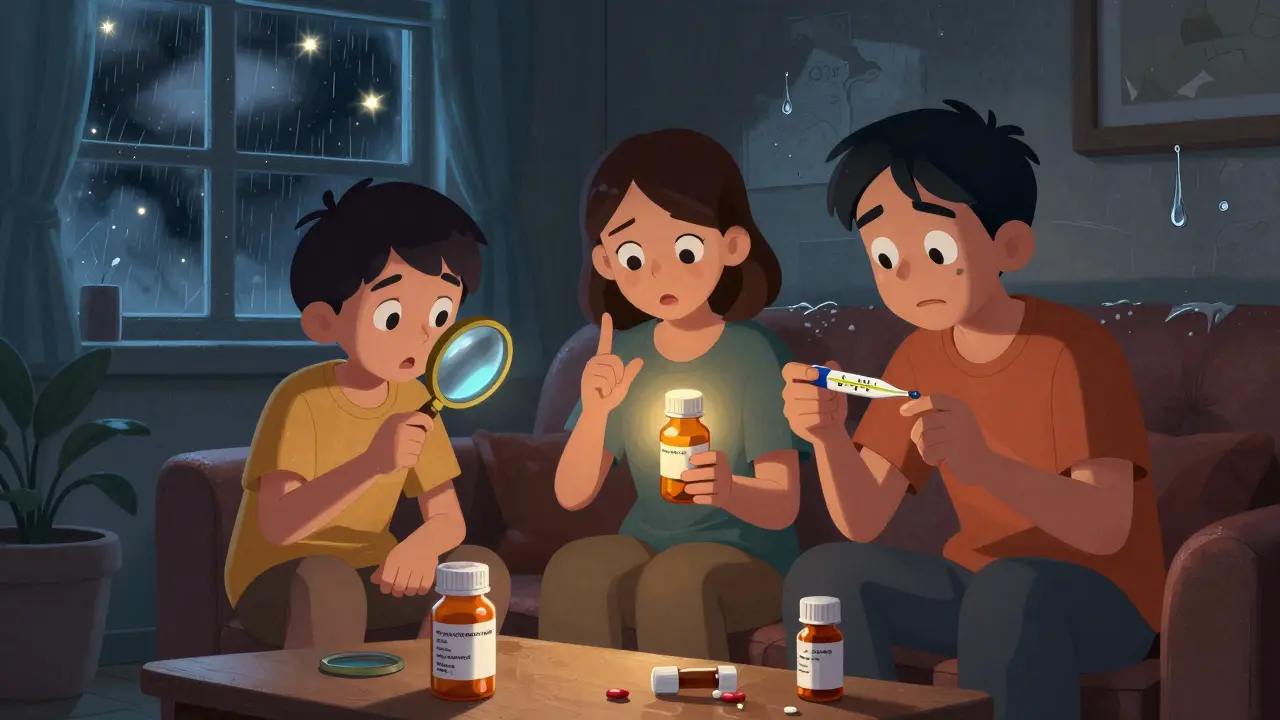
When a hurricane knocks out power for days, or a wildfire shuts down your town’s pharmacy, you might find yourself holding a bottle of pills past their expiration date. You’re not alone. In the chaos of a disaster, people turn to whatever medicine they have-even if it’s old. But how do you decide whether to take it? And how do you talk about it with others without causing panic or making dangerous choices?
Expiration Dates Aren’t Magic Deadlines
Most people think expiration dates mean the medicine turns toxic or useless on that day. That’s not true. The FDA requires drug makers to prove their products are safe and effective up to that date. After that? No guarantee. But many drugs, especially pills and capsules, stay potent for years. The Department of Defense’s Shelf Life Extension Program found that 88% of tested drugs were still good-sometimes for over a decade-when stored properly in cool, dry, sealed conditions. But here’s the catch: your medicine isn’t stored like a military bunker. If it sat in a hot bathroom, got wet during a flood, or was left in a car over summer, it’s not the same. Heat, moisture, and light break down drugs faster. A bottle of insulin left at 90°F for a week won’t just lose strength-it could become dangerous.Not All Expired Medications Are Created Equal
Some drugs are forgiving. Others are not. Knowing the difference can mean the difference between relief and crisis. Safe to consider (with caution):- Acetaminophen (Tylenol): Retains 95% potency up to 4 years past expiration.
- Aspirin: Breaks down slowly into salicylic acid-still works for pain, but may irritate your stomach more.
- Amoxicillin: Maintains 80% effectiveness up to 1 year after expiration if stored dry and cool.
- Ibuprofen: Studies show it works well even 2-3 years past its date.
- Insulin: Loses 10% potency per month after expiration at room temperature. A failed dose can lead to diabetic ketoacidosis.
- Epinephrine (EpiPen): Degrades 2-4% per month. After 6 months past expiration, it may not stop a life-threatening allergic reaction.
- Nitroglycerin: Used for heart attacks. Loses half its strength within 3 months of opening the bottle-even before expiration.
- Warfarin (blood thinner): Causes unpredictable clotting risks after expiration. A 300% increase in INR variability has been documented.
- Tetracycline: Can break down into toxic compounds that damage kidneys. At least 17 cases of Fanconi syndrome have been linked to expired tetracycline since 2000.
When You Have No Choice
In a true emergency-no pharmacy open, no 911 response, no way to get new medicine-using an expired drug isn’t ideal. It’s survival. During Hurricane Maria in 2017, 42% of Puerto Ricans used expired meds. Most reported relief from pain, fever, or allergies. But for chronic conditions like high blood pressure or diabetes, treatment failure was common. One man used expired lisinopril for three weeks. His blood pressure spiked. He ended up in the hospital. The American Medical Association says antibiotics for life-threatening infections can be used up to a year past expiration-with a higher dose if needed. But for asthma inhalers? The American College of Emergency Physicians says no. Expired albuterol can fail when you need it most. One study found only 50-70% symptom relief with expired inhalers. That’s not enough.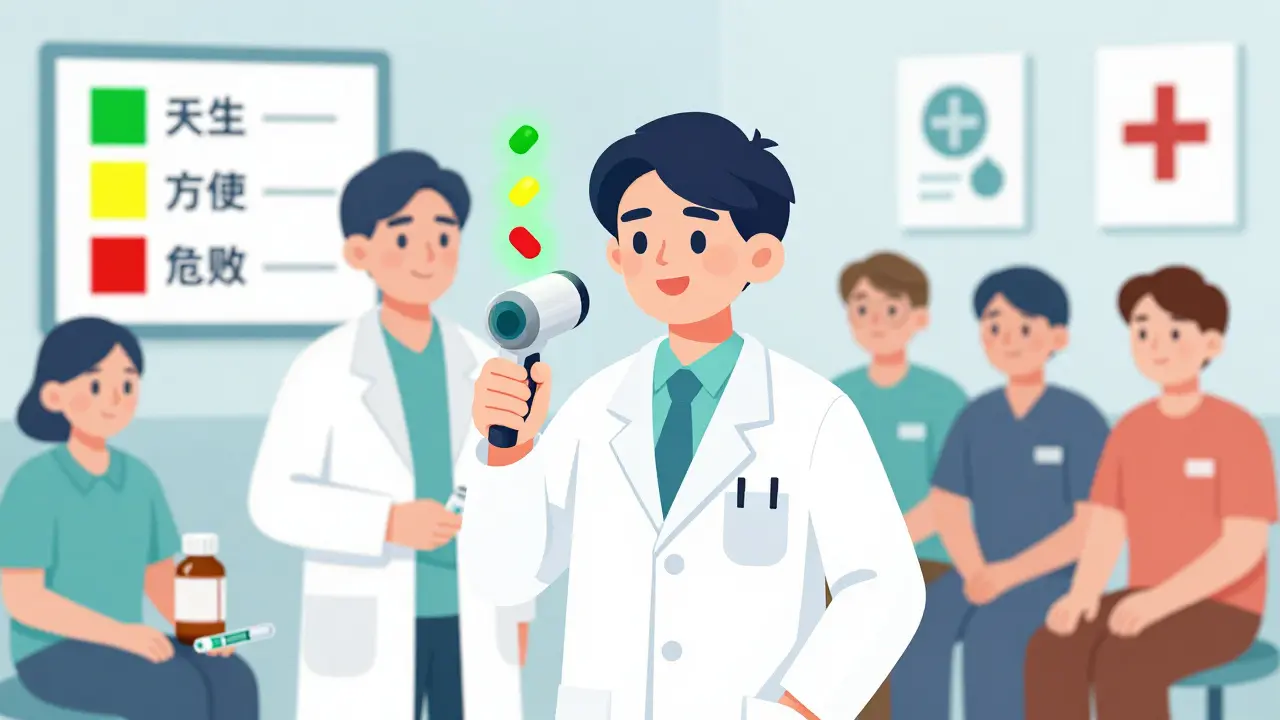
How to Assess Before You Take It
If you’re stuck with expired medicine and no alternatives, follow this simple 5-step check:- Look at it. If it’s discolored, crumbly, smells weird, or has changed texture-throw it out. 73% of degraded meds show visible signs.
- Think about where it’s been. Was it exposed to floodwater? Heat over 86°F for more than 48 hours? Moisture? If yes, discard it. Bacteria growth in flood-exposed pills happens in 92% of cases.
- Ask: Is this life-saving? If it’s for diabetes, heart disease, epilepsy, or anaphylaxis-don’t risk it. If it’s for a headache or mild cough, it’s a different call.
- Check how long it’s been expired. For non-critical drugs, under 1 year? Maybe okay. Over 2 years? Unlikely to help. For insulin or epinephrine? Even 6 months past is too long.
- Can you get advice? If you have access to a telehealth service, call. Many states allow pharmacists to give emergency supplies without a prescription during disasters. In 48 states, they can legally hand out a 72-hour supply.
What Experts Are Saying
Dr. Sandra Kweder, deputy director at the FDA’s drug center, put it plainly: “In life-threatening situations with no alternatives, using certain expired medications may be preferable to receiving no treatment at all.” But she stresses this is a last resort. The Institute for Safe Medication Practices warns against expired tetracycline. The American Pharmacists Association says 68% of Americans keep home medicine stockpiles. That’s a lot of potential expired pills sitting in drawers. They’ve created emergency protocols to help pharmacists guide people safely. And here’s something you won’t hear often: some pharmacists on Reddit (verified ones, like PharmD_Emergency) say they’ve seen patients use 6-month-old EpiPens in anaphylaxis-and they worked, if the dose was doubled. That’s not a recommendation. It’s a real-world observation from the edge of disaster.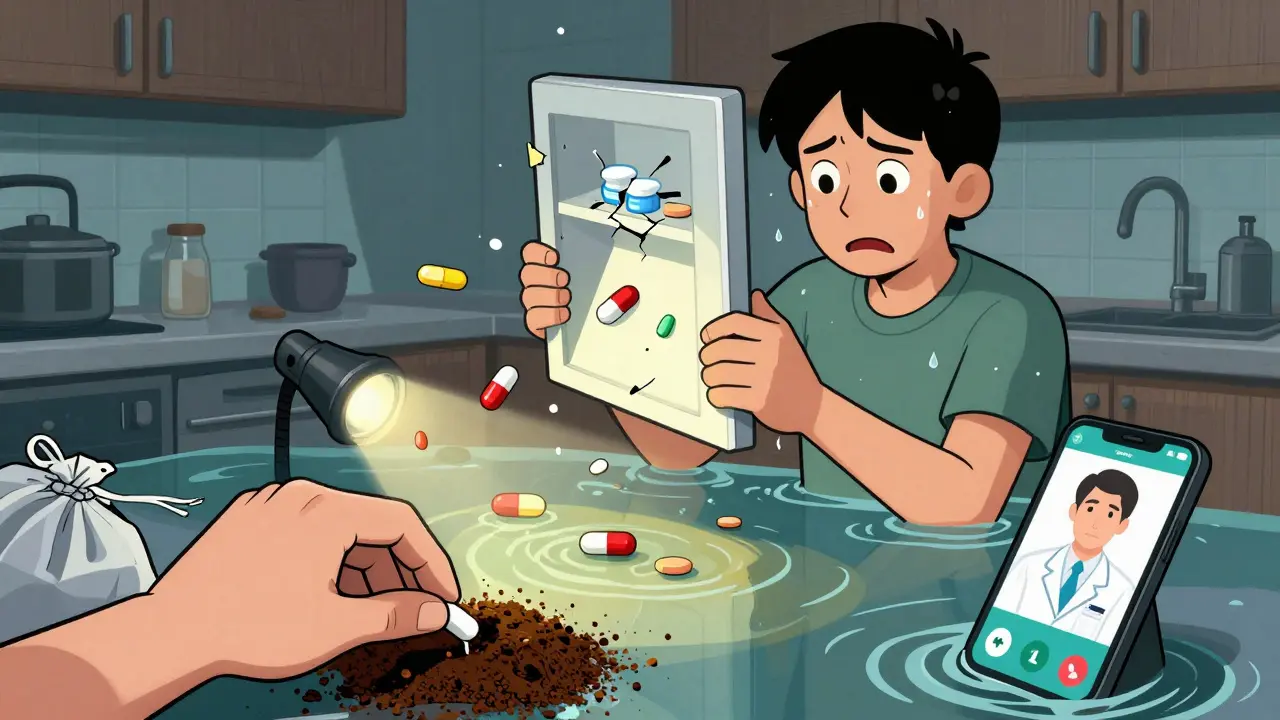
What’s Changing in 2026
The CDC’s new 2024 Public Health Emergency Response Guide introduces a color-coded system to help people quickly judge expired meds: green for safe to use, yellow for use with caution, red for never use. It’s based on 12 disaster simulations and will be rolled out in public health training this year. The NIH is testing handheld devices that can test drug potency in under 5 minutes using light spectroscopy. Imagine pointing a small tool at a pill and getting a readout: “85% potency.” That tech could be in field hospitals by 2025. Drugmakers are also starting to extend shelf lives by improving packaging. One company added oxygen-blocking layers to insulin pens, pushing their effective life from 18 to 24 months. That could cut disaster shortages by over 20%.What You Can Do Now
Don’t wait for a disaster to think about this.- Store meds in a cool, dry place-like a bedroom drawer, not the bathroom.
- Keep a list of your meds, expiration dates, and dosages. Use a free app or a simple note on your phone.
- Check your medicine cabinet every 6 months. Discard anything expired or damaged.
- Know your local pharmacy’s emergency policy. Ask: “Do you provide emergency supplies during disasters?”
- Dispose of old meds safely. Use a DEA-registered drop box if you have one. If not, mix pills with coffee grounds or cat litter, seal them in a bag, and throw them in the trash. Never flush them.
Final Thought: It’s About Risk, Not Rules
There’s no universal rule that says “expired = bad.” The real question is: What’s the risk of using this, versus the risk of doing nothing? If you’re out of insulin and your blood sugar is rising? You might take an expired vial and hope it works. But you’d also call every emergency line you can. You’d look for a neighbor with a fridge. You’d try to get to a clinic. If you’re out of ibuprofen and have a pounding headache? An expired pill might help. It’s low risk. No harm done. The goal isn’t to encourage using expired meds. It’s to prepare so you don’t have to. And if you do, to make the safest choice possible-with eyes wide open.Is it safe to take expired painkillers like ibuprofen or acetaminophen?
Yes, in most cases. Studies show acetaminophen retains over 90% potency up to 4 years past expiration, and ibuprofen works well even 2-3 years after its date-provided it’s been stored properly and shows no signs of damage. These are low-risk medications. If you’re out of new ones during a disaster, using an expired tablet for headache or fever is generally acceptable. But never use them if they’re discolored, crumbly, or smell odd.
Can expired antibiotics still work?
Sometimes. Amoxicillin and ciprofloxacin have been shown to retain 70-80% effectiveness up to a year past expiration if stored correctly. But antibiotics are tricky. Using a weakened dose can lead to antibiotic resistance. If you’re treating a serious infection like pneumonia or a wound infection, and you have no other option, you might use it-but only as a bridge until you can get proper treatment. Never use expired antibiotics for minor infections like a cold or sore throat.
What should I do if my insulin has expired?
Don’t use it. Insulin loses about 10% of its potency every month after expiration at room temperature. After 6 months, it may be less than half as effective. This can cause dangerously high blood sugar, leading to diabetic ketoacidosis-a life-threatening condition. If you have no access to new insulin, call emergency services, seek help from a nearby clinic, or ask a neighbor if they have an unexpired supply. Never risk using expired insulin unless it’s your absolute last option-and even then, it’s extremely dangerous.
Can I use an expired EpiPen in an allergic emergency?
It’s better than nothing-but not ideal. Epinephrine degrades 2-4% per month after expiration. After 6 months, it may deliver only 60-70% of the needed dose. In a true anaphylactic emergency, if no new EpiPen is available, use the expired one. Some pharmacists report seeing patients survive after using expired pens, especially if they doubled the dose (if two pens are available). But this is a last-resort move. The risk of failure is high. Always carry two unexpired EpiPens if you’re at risk for severe allergies.
How do I know if a medication has degraded?
Look for visible changes: tablets that are cracked, discolored, or crumbling; liquids that are cloudy or have particles; capsules that are sticky or leaking. Smell matters too-rancid or chemical odors mean the drug has broken down. If your medicine was exposed to water, heat above 86°F for more than 48 hours, or direct sunlight, assume it’s compromised. Even if it looks fine, the potency may have dropped. When in doubt, throw it out.
Are there legal issues with using expired medication in a disaster?
No, not if you’re using it for yourself or a family member during an emergency. The law doesn’t criminalize survival. In fact, during federally declared disasters, the PREP Act allows pharmacists to dispense emergency supplies without a prescription. The real legal risk comes from giving expired meds to others, especially if someone gets hurt. Always prioritize your own use, and never distribute expired drugs to strangers unless under official emergency guidance.
How can I prepare for a medication shortage before a disaster hits?
Keep a 30-day supply of essential meds if possible. Store them in a cool, dry place. Keep a printed list with names, doses, and expiration dates. Talk to your pharmacist about emergency refills-many will give you extra during routine visits if you ask. Consider signing up for mail-order pharmacy services that deliver to your home. And always have a backup plan: know where the nearest 24-hour pharmacy is, or which clinics offer emergency care. Preparation reduces panic-and the need to use expired drugs.
What’s the best way to dispose of expired medications?
Use a DEA-registered drug take-back location if one is available in your area. If not, mix pills with something unappealing like coffee grounds or cat litter, seal them in a plastic bag, and throw them in the trash. Never flush them down the toilet unless the label says it’s safe. Flushing harms water systems. Removing personal info from the bottle is also a good idea to protect your privacy. For liquids, pour them into a sealable container with absorbent material before disposal.

12 Comments

Shanahan Crowell
I’ve kept expired ibuprofen in my bug-out bag for years-never had an issue. Looked at it, smelled it, checked for cracks-no weirdness. Took it during a power outage after a storm, headache vanished. Not magic, but science says it’s fine. Don’t panic, just assess.
Also, storage matters more than the date. My meds are in a sealed container in a drawer. Not the bathroom. Never the bathroom.

Kerry Howarth
Expired doesn’t mean useless. It means unguaranteed. The FDA’s data is clear: most pills retain potency for years. But context is everything. If it’s been in a hot car? Discard. If it’s dry, cool, and intact? Use it-wisely.

Tiffany Channell
This is dangerous misinformation. You’re telling people to take expired insulin like it’s a snack. People die from this. The FDA doesn’t approve extended use. This article is a liability. Someone’s going to get hurt because someone read this and thought ‘it’s probably fine.’

Joy F
Let’s be real-this isn’t about pharmacology, it’s about power. The pharmaceutical industry profits from fear. Expiration dates are arbitrary constructs designed to keep you buying, not healing. The DoD’s Shelf Life Extension Program proves it: we’ve been lied to for decades. They don’t want you to know that a $120 insulin vial can last 14 years if stored right. They want you dependent. And now, in a disaster, they’re banking on your ignorance. Wake up. The system is rigged. Your pills are not your enemy-corporate greed is.
Also, tetracycline? Yeah, it’s sketchy. But so is the entire supply chain. We’re being fed fear to maintain control.

Haley Parizo
I’ve lived through three hurricanes. I’ve seen people take expired meds and live. I’ve seen people die because they waited for an ambulance that never came. This isn’t theoretical. This is survival. The real crime isn’t using expired medicine-it’s not having access to new ones in the first place. The system failed them. Don’t blame the person holding the bottle. Blame the infrastructure that left them with nothing.
Also, the color-coded system coming in 2026? Long overdue. But why did it take a decade of disasters to get here?

Ian Detrick
I’m a paramedic. I’ve seen expired epinephrine work. I’ve also seen it fail. The difference? Storage. One guy kept his EpiPen in his glovebox. It was melted. The other kept it in his shirt pocket. It saved his life. It’s not about the date. It’s about the conditions. And yes-sometimes, you use what you have. No one’s saying it’s ideal. But in the dark, with no help coming? You do what you can.

Angela Fisher
I know what they’re not telling you. The government knows most expired meds are still good. That’s why they stockpile them for military use. But if everyone knew that, no one would buy new ones. That’s why they scare us with ‘toxic breakdown’ myths. And don’t get me started on the ‘FDA says it’s safe’ line-they’re paid by Big Pharma. I’ve got a cousin who works at a compounding pharmacy. She says 90% of expired pills are still viable. They just don’t want you to know. And the color-coded system? That’s a trap. It’s to make you think you’re safe when you’re still being manipulated. I’ve got a 5-year-old EpiPen. I’m keeping it. I’m not afraid. They’re afraid of us being smart.

Neela Sharma
In India, we’ve been using expired medicines for decades because we have no choice. My grandmother took expired diabetes pills during a flood. She lived. We didn’t have a fridge. We didn’t have a pharmacy. We had hope and a bottle. The science here is right-but the real truth is this: medicine is a privilege, not a right. If you’re reading this and have access to new drugs, be grateful. And help someone who doesn’t.

Shruti Badhwar
The data presented is robust and aligns with peer-reviewed studies from the Journal of Pharmaceutical Sciences and the FDA’s own archival reports. However, the ethical implications of endorsing expired pharmaceutical use, even conditionally, must be weighed against public health messaging. While individual survival is paramount in crises, normalized acceptance of expired medications may erode adherence to proper storage and disposal protocols, potentially increasing long-term public risk. A balanced approach-emphasizing preparation, education, and emergency access-is optimal.

Brittany Wallace
I keep a little box in my closet with my essentials: ibuprofen, antihistamines, a spare EpiPen. I check them every season. I don’t panic when they expire-I just replace them. It’s not about being paranoid. It’s about being responsible. And honestly? It’s peace of mind. I sleep better knowing I won’t have to make a life-or-death choice in a blackout.
Also, thank you for mentioning the DEA drop boxes. I didn’t know they existed until last year. Now I use them. Small steps.

Michael Burgess
Just got back from helping a neighbor after the wildfire. She had no insulin. Her vial was 8 months expired. She was scared. I told her to use it if she had to-but only if it looked clear and she had a way to monitor her sugar. She did. She’s fine now. She called 911, she asked for help, she used the expired one as a bridge. That’s the balance. Not heroism. Not recklessness. Just smart survival.
Also, if you’re reading this and you’re not storing your meds properly? Stop. Drawer. Not bathroom. Not car. Not sunbeam. Just… drawer. 😅

Liam Tanner
I’m the author of this post. Thanks for all the thoughtful replies. I’ve been working on this for over a year-interviewing pharmacists, disaster responders, even a retired FDA inspector. The goal wasn’t to tell people to use expired meds. It was to stop the fear. To give people a framework. So when the power goes out, they don’t panic. They assess. They act. And if they have to use an old pill? They do it with eyes wide open. This isn’t about breaking rules. It’s about surviving them.

Write a comment