How to Prevent Waste While Keeping Medications Within Date
Every year, medication waste costs U.S. healthcare systems over $20 billion. That’s not just money down the drain-it’s pills that could have helped someone, refrigerated biologics thrown out because a fridge failed, or bottles of antibiotics discarded because they weren’t used in time. The worst part? Most of it is still perfectly good. You don’t need to wait until the expiration date to toss something. But you also don’t need to let it sit on a shelf until it’s useless.
Start with What You Actually Need
The biggest source of waste isn’t poor storage or bad tracking-it’s overprescribing. Doctors often write scripts for 30-day supplies when a patient only needs 7 or 14 days. That’s especially true for antibiotics, pain meds, or short-term treatments. A 2019 Johns Hopkins study found that when clinics switched to prescribing smaller quantities based on actual treatment length, they cut waste by up to 37% for chronic conditions like high blood pressure or diabetes. If you’re managing a long-term condition, ask your provider if they can do a split fill: first 14 days, then refill if needed. It’s safer, cheaper, and keeps pills from gathering dust.Store Medications Right-Temperature Matters
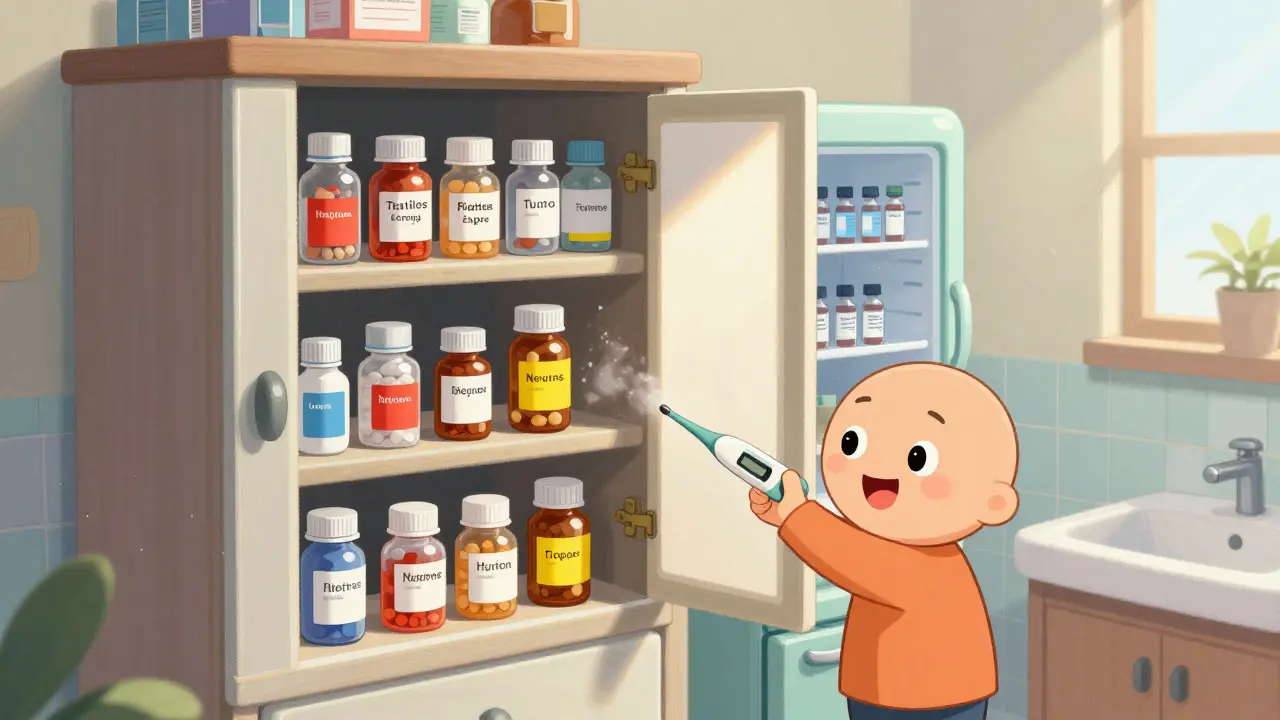
A pill doesn’t just expire because time passed. It expires because it was stored wrong. Refrigerated meds like insulin, certain injectables, or biologics need to stay between 36°F and 46°F. Room-temperature drugs like antibiotics or blood pressure pills should be kept between 68°F and 77°F. Too hot? Too cold? That can break them down faster than the label says. One rural clinic lost $8,200 in insulin because their fridge wasn’t monitored. Simple fixes: use a digital thermometer in the fridge or medicine cabinet. Set a reminder to check it once a week. If you’re storing meds at home, keep them away from windows, sinks, or bathrooms-humidity and heat kill potency.Use FIFO-It’s Not Just for Groceries
FIFO stands for First-In, First-Out. It’s a simple rule: when you get new medicine, put it behind the old stuff. That way, the oldest pills get used first. This works in pharmacies, clinics, and even your home medicine cabinet. If you’re buying a new bottle of ibuprofen, don’t just toss it on top. Move the old one to the front. Do this every time. It’s low-tech, free, and it works. Nurses in ambulatory clinics who use this method report 25% fewer expired pills. For home use, set a monthly reminder: every first Sunday, check your medicine shelf. Pull out anything with an expiration date within the next 30 days. Put a colored sticker on it-red for 15 days out, yellow for 30. That visual cue makes a huge difference.Track What You Have-No Guesswork
If you don’t know what you have, you’ll buy duplicates. That’s how you end up with three bottles of the same blood pressure pill. Even small clinics using manual lists reduce waste by 15% just by writing down what’s in stock and when it expires. For bigger setups, barcode scanners cut waste by 25-30%. But you don’t need fancy tech. Use a free app like Medisafe or even a simple spreadsheet. List the drug name, dosage, expiration date, and how many are left. Update it every time you refill. It takes five minutes a week. The payoff? No more surprise expirations, no more wasted money.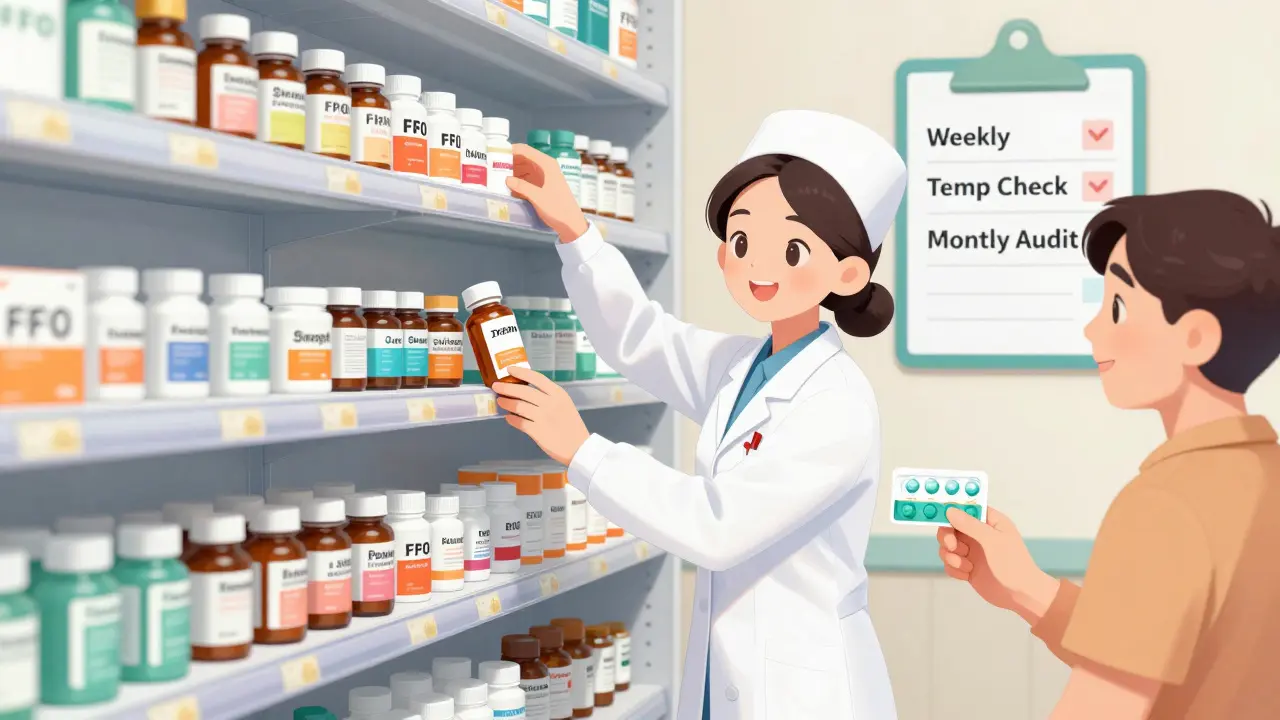
Don’t Rely Only on the Expiration Date
The date on the bottle isn’t a magic deadline. It’s a guarantee from the manufacturer that the drug will work up to that point. Many medications stay stable for years beyond that. The FDA studied over 100 drugs and found 88% were still effective 15 years past expiration. That doesn’t mean you should keep everything forever-some meds, like insulin or liquid antibiotics, degrade fast. But for stable pills like aspirin, acetaminophen, or antihistamines, the date is often conservative. If you’re unsure, talk to your pharmacist. Don’t throw out perfectly good medicine just because the label says so. That’s unnecessary waste.Use Take-Back Programs, Not the Toilet
Never flush pills down the drain. Never toss them in the trash unless there’s no other option. The EPA says 43% of facilities still dump hazardous meds in landfills, which contaminates water and soil. The right way? Use a take-back program. As of January 2023, there are over 11,000 registered collection sites across the U.S.-pharmacies, hospitals, and police stations. The FDA updated its flush list in 2023 to include 15 specific opioids that are dangerous if misused, and those should be flushed only if no take-back is available. For everything else, find your nearest drop-off. The DEA’s website has a locator tool. If you’re in the UK, check with your local pharmacy-they offer free disposal services. It’s easy. It’s safe. And it stops waste from becoming pollution.Train Your Team-Even If It’s Just You
The most effective waste-reduction tool isn’t software or scanners-it’s training. Facilities with regular staff training on medication handling see 28% less waste than those without. That includes knowing how to read expiration dates, how to check storage conditions, and how to spot signs of degradation (discoloration, odd smells, crumbling pills). Even at home, if you’re caring for someone on multiple meds, spend 15 minutes learning what each one needs. The WHO calls this the foundation of safe medication use. No one expects you to be a pharmacist. But knowing the basics prevents avoidable mistakes.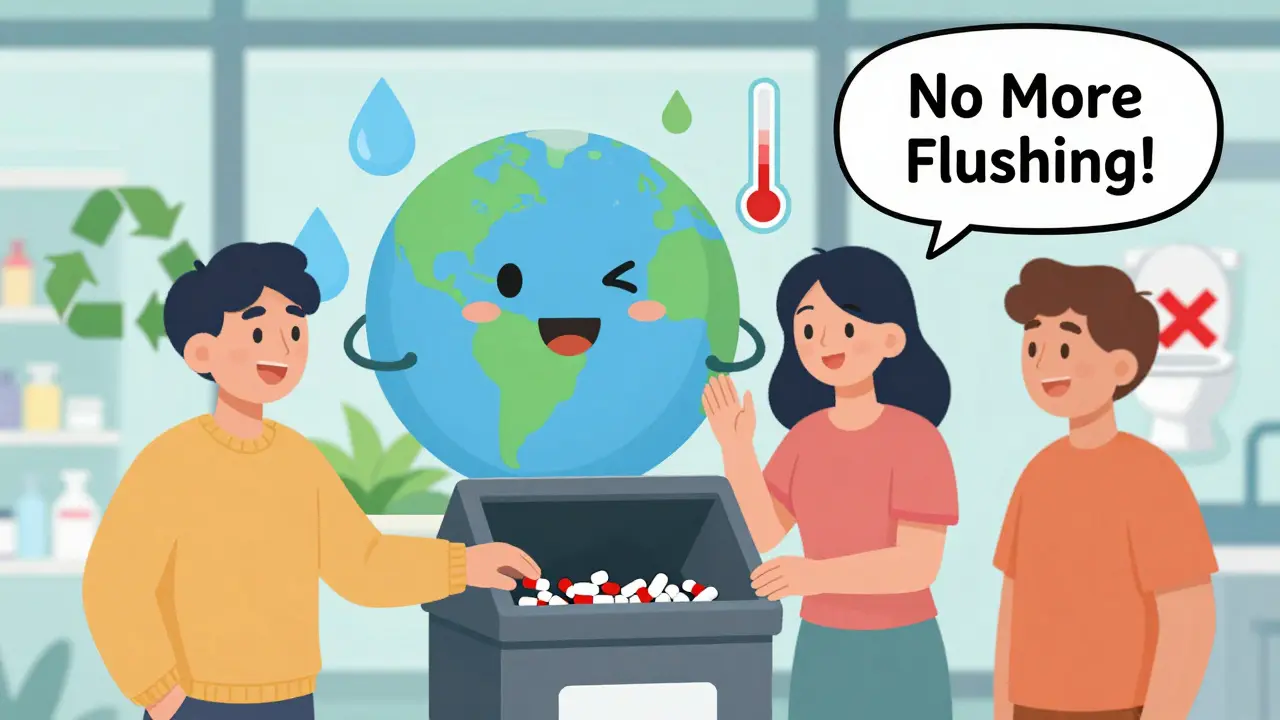
What Works Best for Small Homes vs. Clinics
If you’re managing meds at home, focus on three things: FIFO, temperature checks, and monthly audits. Use sticky notes. Use phone alarms. Use a shoebox labeled "Expire Soon." It’s not glamorous, but it works. For small clinics under 10 providers, manual systems still make sense. A $50 thermometer, a printed checklist, and weekly team huddles can cut waste by 20%. For larger clinics or pharmacies, tech helps. Systems like Epic or Omnicell track inventory in real time, send alerts when meds are 30 days from expiring, and prevent duplicate orders. But they cost $8,000-$15,000 a year. If you’re a solo practitioner, that’s overkill. Stick with low-cost, high-impact habits.What to Do When You Find Expired Meds
You found a bottle that expired six months ago. What now? First, don’t panic. If it’s a common OTC drug like ibuprofen or allergy pills, and it’s been stored properly, it’s likely still safe. But don’t take it. The potency may be lower. Instead, take it to a drop-off site. If you can’t, mix it with coffee grounds or cat litter, seal it in a bag, and throw it in the trash. Never crush pills or pour liquids down the sink. And if it’s a controlled substance-opioids, stimulants, sedatives-take it to a pharmacy or police station. These are hazardous. They need special handling.Why This Matters Beyond the Bottom Line
Reducing medication waste isn’t just about saving money. It’s about ethics. Every pill you throw away is a resource that was grown, manufactured, packaged, shipped, and prescribed. It used water, energy, and plastic. It contributed to carbon emissions. When you prevent waste, you’re protecting the environment. And you’re ensuring that someone else who needs that medicine-maybe in a clinic with limited supplies-can get it. The WHO’s 2024 roadmap wants to cut global pharmaceutical waste by 50% by 2030. That starts with small steps: checking your fridge, asking for smaller prescriptions, using take-back bins. You don’t need a big budget. You just need to pay attention.
15 Comments

Shanahan Crowell
Man, I never thought about how much we waste just because we’re lazy with storage. I’ve got a cabinet full of old pills I didn’t even know I had. I’m starting FIFO tomorrow-put the old stuff in front, no more guessing. And yeah, I’m getting a $10 digital thermometer for my medicine shelf. Small change, big impact.

Michael Burgess
This is the most practical post I’ve read all year. Seriously. I used to toss expired ibuprofen like it was trash. Now I know most of it’s still good. I even checked my bottle of aspirin from 2020-still solid. Took it to a take-back bin last week. Felt like I did something real for once. 🙌

Tiffany Channell
Don’t believe the FDA’s ‘88% still effective’ nonsense. That’s corporate propaganda. The real reason they extend expiration dates is to protect Big Pharma profits. You think they want you saving money? They want you buying new bottles every year. And don’t get me started on ‘take-back programs’-they’re just a PR stunt to make you feel good while they still dump the rest in landfills.

Neela Sharma
In India, we don’t have fancy apps or thermometers. But we do have mothers who remember every pill’s name, dose, and when it was bought. We use a red thread tied to the bottle when it’s nearing expiry. Simple. Human. Works better than any app. Maybe we don’t need tech. Maybe we just need to care again.

Angela Goree
Overprescribing? Of course it’s overprescribing! That’s what happens when doctors are paid per script, not per outcome. The system is broken. And don’t tell me ‘ask for smaller fills’-you think your doctor’s gonna do that without a fight? They’re trained to push pills, not prevent waste. This isn’t about personal responsibility-it’s about dismantling a profit-driven machine.

Angela Fisher
Did you know the government puts tracking chips in pills? They use the expiration dates to control when you ‘need’ more. That’s why they say everything expires so soon. They want you dependent. I checked my old insulin-still clear, no cloudiness. I’ve been using it for 3 years past the date. No side effects. They’re lying to you. And the ‘take-back’ bins? They’re just collecting them to sell on the black market. I’m not falling for it.

Brittany Wallace
There’s something deeply spiritual about not wasting medicine. It’s not just about money or efficiency-it’s about reverence. Every pill was made with human labor, with science, with care. Throwing it away feels like disrespecting that. I keep a little altar on my shelf with expired meds before I take them to the drop-off. It’s my way of saying thank you. And sorry.

Kerry Howarth
Use FIFO. Check temps. Audit monthly. That’s it. No apps needed. No fancy systems. Just consistency. You don’t need to be perfect-just consistent. One mistake won’t kill you. But forgetting for six months? That’s how waste builds. Start small. Do one thing right every week. That’s how change happens.

Lori Jackson
Let’s be honest-this post is just woke corporate fluff dressed up as ‘sustainability.’ You think your ‘monthly audit’ matters when pharmaceutical giants are dumping millions of gallons of toxic solvents into rivers? You’re optimizing the wrong thing. The real waste is the entire industrial model. Your ‘FIFO’ is a Band-Aid on a severed artery.

Joy F
They say ‘don’t flush meds’-but have you ever wondered who benefits from that rule? The ‘take-back’ programs? They’re all run by the same companies that manufacture the drugs. It’s a closed loop. You think they want you to reduce waste? No. They want you to think you’re doing the right thing so you keep buying. It’s psychological manipulation wrapped in green packaging.

innocent massawe
Here in Nigeria, we share meds with neighbors. If someone has extra insulin, they give it to the one who can’t afford it. No paperwork. No apps. Just human trust. We don’t have take-back bins, but we don’t waste either. Maybe the answer isn’t tech. Maybe it’s community.

Wren Hamley
Wait-so the FDA says 88% of meds are still effective past expiration? But then why do they require manufacturers to test stability for only 2-3 years? There’s a disconnect here. Is it cost? Liability? Or just bureaucratic inertia? I need to dig into the raw data. This feels like a policy gap waiting to be exposed.

Philip Leth
My grandma used to keep all her pills in a mason jar with a label that said ‘Don’t Touch Unless You’re Me.’ She never checked expiration dates. Never had a problem. Maybe we overthink this. Maybe the real issue isn’t the pills-it’s our fear of the unknown.

Ian Detrick
There’s a quiet dignity in using what you have. Not hoarding. Not discarding. Just using. It’s the opposite of consumerism. It’s saying: I don’t need the new bottle. I don’t need the shiny packaging. I have what I need. That’s not frugal. That’s wise.

Sarah Little
Wait, I just checked my medicine cabinet and I have three bottles of the same blood pressure pill. I didn’t even realize. I’m going to delete my Medisafe app. It’s not helping. I’m going to write everything down on a sticky note and put it on my fridge. Simple. No distractions. Just me, the pills, and the truth.

Write a comment