How to Use Your Pharmacy’s Consultation Service for Medication Safety
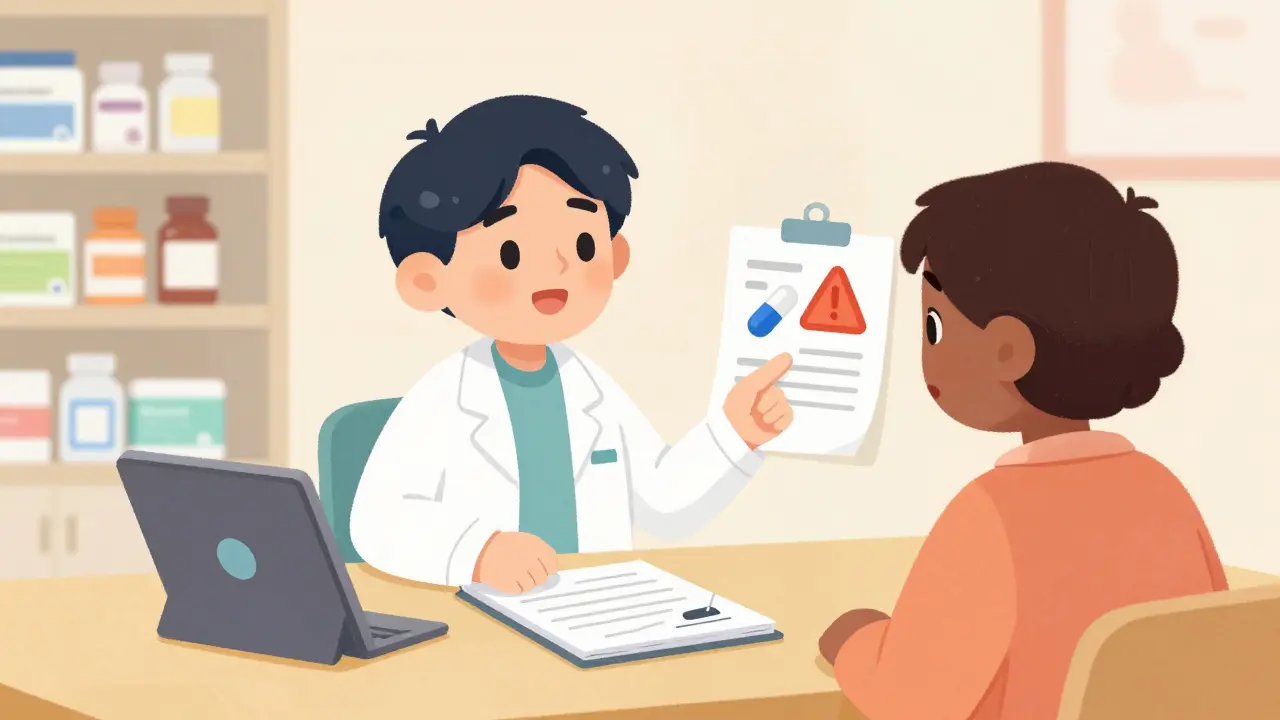
Most people think of their pharmacy as a place to pick up prescriptions. But if you’re not using the consultation service, you’re missing out on a powerful safety net. Your pharmacist isn’t just filling bottles-they’re trained to catch dangerous drug interactions, spot dosage errors, and help you save money. In fact, pharmacy consultation services prevent over 1,200 serious adverse drug events each year in VA hospitals alone. And it’s not just for seniors or people on dozens of meds. If you take even two or more prescription drugs, this service could literally save your life.
What Happens During a Pharmacy Consultation?
A typical consultation lasts about 15 to 20 minutes. You sit down in a private room-most community pharmacies now have them-with your pharmacist. They’ll ask you to bring all your medications: prescriptions, over-the-counter pills, vitamins, supplements, even herbal teas. Don’t leave anything out. One patient in Oxford had been taking a common painkiller with her blood thinner. Her pharmacist caught it. That combo can cause internal bleeding. She didn’t know. Her doctor didn’t know. But the pharmacist, who sees your full medication list every time you walk in, did. The pharmacist will check for:- Drug-to-drug interactions
- Duplicate prescriptions (yes, this happens more than you think)
- Incorrect dosages based on your age, weight, or kidney function
- Medications that don’t match your current health conditions
- Expensive options that have cheaper, equally effective alternatives
Who Should Use This Service?
You don’t need to be elderly or have five chronic conditions to benefit. Here’s who should definitely schedule one:- You take three or more prescription medications
- You’ve been hospitalized in the last six months
- You’ve had a recent change in your meds
- You’re over 65
- You take supplements or herbal products
- You’ve had a bad reaction to a drug before
- You’re confused about why you’re taking something
Cost and Insurance Coverage
If you’re on Medicare Part D, you’re already eligible for free medication consultations. You don’t pay extra. In fact, 100% of Medicare Part D plans are required to offer them. You just need to ask. For private insurance, it’s trickier. Only about 43% of commercial plans cover full medication reviews. But here’s the thing: even if your plan doesn’t pay, many pharmacies still offer free consultations. They know it prevents costly emergencies down the line. Ask. Don’t assume. Some pharmacies charge $25 to $75 for a consultation if you’re paying out of pocket. But compare that to the cost of an ER visit for a drug reaction-often over $1,000. One VA study showed each pharmacist-led intervention saved an average of $1,250. That’s not just money. It’s hospital beds, recovery time, and peace of mind.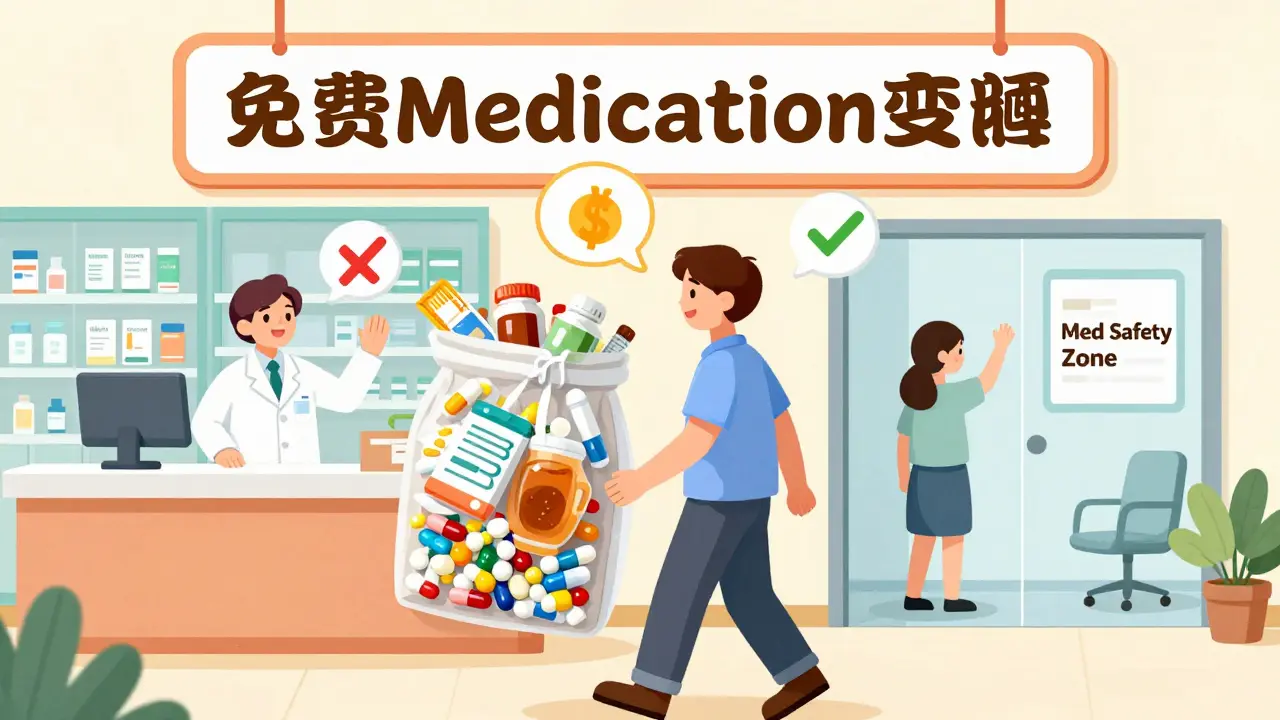
How to Get the Most Out of Your Consultation
Don’t just show up. Come prepared.- Bring a list of everything you take, including doses and times.
- Write down any side effects you’ve noticed-even if they seem minor.
- Ask: “Is this still necessary?” Many people keep taking meds long after they’re needed.
- Ask: “Is there a cheaper version?” Pharmacists know about patient assistance programs and generics you might not know exist.
- Ask: “What happens if I miss a dose?” Some meds are dangerous to skip. Others aren’t.
Why Pharmacists Are Your Best Safety Net
People visit their pharmacy nearly twice as often as they visit their doctor. That’s 17 visits a year versus 9. That means your pharmacist sees you more than anyone else in the healthcare system. They’re the last line of defense. A Harvard professor put it this way: “Pharmacists are the last line of defense against medication errors.” And he’s right. Doctors prescribe. Nurses administer. But pharmacists review. They catch what others miss. One real example: A diabetic patient was getting 50 units of insulin daily. His doctor didn’t realize he was also taking a new antibiotic that increases insulin sensitivity. The pharmacist caught it. She called the doctor. They lowered the dose. That single call prevented a life-threatening low-blood-sugar event.What’s Holding People Back?
The biggest problem? Most people don’t know the service exists-or think it’s only for “complicated” cases. Another issue? Time. Pharmacists are busy. In high-volume stores, they sometimes have only 6 minutes per patient. That’s not enough for a full review. That’s why you need to ask for a dedicated consultation. Don’t settle for a quick chat at the counter. Many pharmacies now offer scheduled appointments. Some even do virtual consults over video. If your local pharmacy doesn’t advertise it, call and ask: “Do you offer medication reviews? Can I book a time?”
What to Expect After Your Consultation
At the end of your session, you should walk away with:- A written, updated list of all your medications
- A clear plan for how and when to take them
- Any changes your pharmacist recommended (and why)
- Next steps-like a follow-up visit or a call to your doctor
Real Results, Real Stories
Patients who use this service consistently report:- 76% better adherence to their meds
- 89% better understanding of what they’re taking
- 28% improvement in conditions like diabetes and high blood pressure
- Over $200/month saved on medication costs
Next Steps
Don’t wait for a problem to happen. Schedule your consultation now. Here’s how:- Call your pharmacy and ask: “Do you offer medication consultations?”
- If they say yes, ask: “Can I book a 20-minute appointment?”
- If they say no, ask: “Can you recommend a pharmacy that does?”
- Bring your full medication list-even supplements and OTCs.
- Ask questions. Don’t be shy.
Is the pharmacy consultation service free?
If you’re on Medicare Part D, yes-it’s covered at no cost. Many private pharmacies also offer free consultations even if your insurance doesn’t cover them. For those paying out of pocket, fees range from $25 to $75, but the cost is often far less than a hospital visit caused by a preventable drug error.
Do I need to be on many medications to qualify?
No. While Medicare requires you to have multiple chronic conditions and take several medications, most pharmacies will still offer a consultation if you take two or more prescriptions-even if you’re young or healthy. If you’re unsure, just ask. There’s no penalty for inquiring.
Can my pharmacist change my prescription?
Not directly. But they can recommend changes to your doctor and explain why. In 22 U.S. states, pharmacists have limited authority to adjust certain medications-like switching a brand to generic or adjusting doses for blood pressure or diabetes. Even where they can’t, their input carries weight. Doctors often follow pharmacist advice because they trust their expertise.
What if I’m embarrassed about taking so many pills?
Pharmacists see hundreds of medication lists every week. There’s nothing unusual about taking multiple drugs. In fact, the average person on Medicare takes five. Your pharmacist isn’t judging you-they’re trying to keep you safe. Be honest. The more they know, the better they can help.
How often should I get a consultation?
At least once a year. But if you’ve had a hospital stay, started or stopped a medication, or changed doctors, schedule one right away. Medication needs change over time. What worked last year might not be right now.

8 Comments

Roshan Joy
Wow, I had no idea pharmacists could catch stuff like this! 😊 I always just grab my scripts and go. But now I’m gonna book a consult next time I’m in. My grandma’s on 7 meds and she’s always mixing up times - this could really help her. Thanks for the heads-up!

Michael Patterson
Okay but let’s be real - most pharmacies are run by overworked zombies who barely look up from the screen when you hand them your script. They got 6 minutes per person and they’re juggling 3 calls, a refill request, and someone screaming because their insulin is ‘out of stock’ again. A ‘consultation’? Yeah right. Unless you’re 80 and on 12 drugs, they’ll just hand you the bottle and say ‘take one daily’ and call it a day. I’ve seen it. It’s a gimmick. The system’s broken. Don’t believe the hype.

Vincent Clarizio
Look, I get why people think this is just a sales pitch, but let’s peel back the layers here. This isn’t about ‘pharmacies being nice’ - it’s about systemic failure in healthcare coordination. Doctors write scripts. Nurses dispense. But pharmacists? They’re the only ones with the full pharmacokinetic map of your entire body’s chemistry. They see the overlap between your antidepressant and that OTC sleep aid you’re taking because you ‘can’t sleep’ - and they know that combo can trigger serotonin syndrome. And yet, we treat them like order-fillers. We treat them like glorified cashiers. That’s not just ignorance - it’s cultural neglect. The fact that Medicare mandates this and most private insurers don’t? That’s not policy. That’s a moral failing. We pay for scans, for surgeries, for ER visits - but we won’t pay $25 to prevent a death? That’s not economics. That’s insanity wrapped in a lab coat.

Alex Smith
So… you’re telling me I should spend 20 minutes talking to someone who literally just hands me pills? 😏 And I’m supposed to believe they’re ‘saving my life’? What about the 30% of times they give me the wrong pill? Or when they forget to flag that my blood pressure med clashes with my new thyroid med? I’ve had that happen. Twice. And the pharmacist just shrugged and said, ‘Oh, my bad.’ So now I’m supposed to trust them more than my doctor? Yeah right. This feels like a PR stunt to make pharmacists look like heroes while the system keeps underpaying them and overworking them. I’ll stick to Google and WebMD thanks.

Priscilla Kraft
My mom had a consultation last year after her hospital stay - she was on 9 meds and didn’t even know two of them were for something she’d been treated for 5 years ago and no longer had. The pharmacist caught it, called her cardiologist, and they dropped two pills. She’s had zero side effects since. And yes, it was free. And yes, the pharmacist took 25 minutes. He even drew a chart. I cried. If you think this isn’t life-changing, you’ve never had to watch someone nearly die because no one checked the interactions. Just ask. No shame. No judgment. Just ask.

Adewumi Gbotemi
Here in Nigeria, we don’t have this service much. But I think it’s a great idea. People take many medicines and don’t know what they do. Even in big cities, pharmacists are busy. But if they can just take 10 minutes to ask, ‘Why are you taking this?’ - it can save lives. I will tell my friends. Simple. No need for fancy words. Just ask.

Madhav Malhotra
Man, this reminds me of how in India, we used to go to the local ‘chemists’ and they’d actually know your whole family’s meds - like, ‘Oh, your uncle’s still on that statin? He should switch to the generic, cheaper one.’ It’s personal. Here in the U.S., it feels like a factory. But this post? It’s a reminder that healthcare shouldn’t be impersonal. I’m booking a consult this week. And I’ll bring my turmeric capsules. No shame. 😊

Matthew Miller
So let me get this straight - you want me to trust a guy who makes $15/hour to catch errors that doctors miss? And you think this is ‘saving lives’? Newsflash: doctors are trained for 10+ years. Pharmacists? They memorize drug names and count pills. This is just corporate propaganda to make pharmacists look like superheroes so they can charge more for ‘consults’ and justify their union wages. The real problem? Fragmented EMRs. Not pharmacists being underutilized. Fix the damn system. Don’t hand out pamphlets and call it a solution.
Recent Posts
-
Anticholinergic Medications: Cognitive Risks and Managing Dry Mouth
-

Citalopram vs Escitalopram: Managing QT Prolongation and Dose Limits
-
How to Get Prescription Assistance Programs from Manufacturers
-
How to Safely Buy Phenytoin Online: A Complete Buyer's Guide
-
Diphenhydramine Overdose: Recognizing Antihistamine Toxicity and Emergency Care

Write a comment