Exudative Effusion: Causes, Risks, and What You Need to Know
When fluid builds up where it shouldn’t—like around the lungs, heart, or abdomen—it’s often not just water seeping out. It’s exudative effusion, a type of fluid accumulation caused by inflammation, infection, or injury that leaks protein-rich fluid from damaged blood vessels. Also known as inflammatory effusion, it’s a sign your body is reacting to something serious, not just holding onto extra water. Unlike transudative effusions, which come from pressure changes or poor heart function, exudative effusions are active responses to disease. They contain high levels of protein, white blood cells, and sometimes even bacteria or cancer cells. This isn’t simple swelling—it’s a red flag.
Common causes include pneumonia, a lung infection that triggers immune cells to flood the space around the lungs, tuberculosis, a bacterial infection that often targets the pleura and causes thick, sticky fluid buildup, and cancer, especially lung or breast cancer spreading to the lining of organs. Other triggers: pancreatitis, pulmonary embolism, or autoimmune diseases like lupus. Each one sends a different signal through the fluid—doctors test it to find out what’s really going on. The fluid isn’t just a symptom; it’s a diagnostic tool.
Why It Matters More Than You Think
If you’re short of breath, have chest pain, or feel like you can’t take a full breath, an exudative effusion could be why. Left untreated, it can compress your lungs, make breathing harder, or even lead to permanent scarring. It’s not something you can ignore or treat with over-the-counter meds. The treatment depends entirely on the root cause. Antibiotics for infection, chemo for cancer, or immunosuppressants for autoimmune issues. You can’t just drain the fluid and call it done—unless you fix what’s making it, it will come back.
The posts below dig into real cases where fluid buildup was the key clue—like how lithium affects kidney function and leads to unexpected fluid retention, or how warfarin interacts with diet changes that can trigger inflammation. You’ll find guides on managing side effects from drugs that might worsen effusions, how to spot early signs in chronic conditions, and what tests actually tell you about the fluid in your body. This isn’t theoretical. These are real situations people face when their body sends a signal and they need to understand what it means.
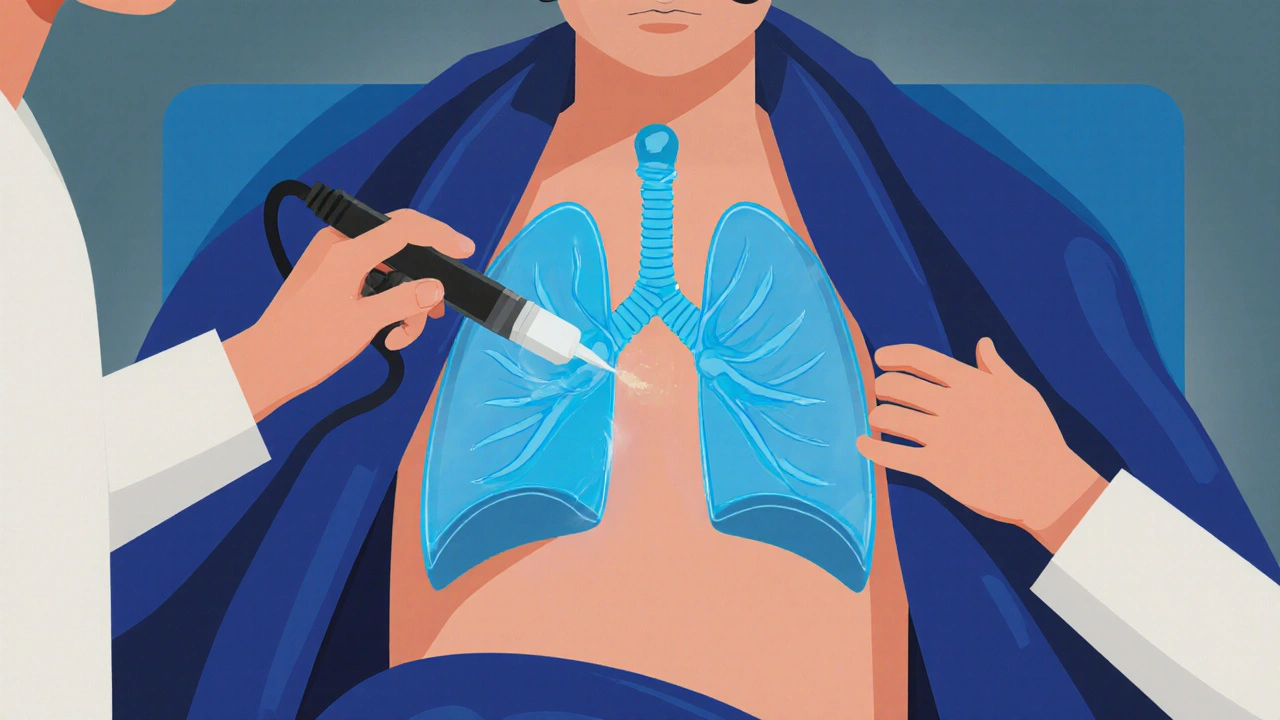
Pleural Effusion: Causes, Thoracentesis, and How to Prevent Recurrence
Pleural effusion causes breathing trouble due to fluid around the lungs. Learn the main causes, how thoracentesis works with ultrasound guidance, and proven ways to prevent it from coming back-based on the latest medical guidelines.
Read MoreRecent Posts
-

Long-Term Antihistamine Use: Why Your Allergy Medication Might Stop Working
-

Addressing Patient Concerns About Generic Medications: Common Questions Answered
-

Online Reviews: How Patient Experiences Shape Trust in Generic Medications
-

OTC Gas and Bloating Remedies: Simethicone vs Enzyme Products Explained
-

Packing Medications for Air Travel: Best Practices for Safety
