Generic Switching: What It Is, Why It Matters, and What You Need to Know
When you hear generic switching, the practice of replacing a brand-name drug with a chemically identical generic version. Also known as therapeutic substitution, it’s a routine part of modern pharmacy that saves billions every year. But not all switches are safe—or simple. Some drugs, like warfarin, levothyroxine, and phenytoin, have a narrow therapeutic index, a tiny window between a dose that works and one that’s dangerous. Even small differences in how a generic is made can throw off blood levels and cause serious harm. That’s why the FDA bioequivalence, the set of standards that prove a generic performs the same as the brand. for these drugs is much stricter than for others.
Generic switching isn’t just about cost. It’s about control. If you’re on a medication where even a 5% change in blood concentration could trigger a seizure, a blood clot, or a thyroid crisis, you don’t want your pharmacist switching you without knowing. That’s why doctors sometimes write "Do Not Substitute" on prescriptions. But in many cases, especially with routine meds like statins or blood pressure pills, switching is not only safe—it’s smart. The real problem comes when drug companies use tricks like product hopping, launching minor reformulations to block generic competition. This delays cheaper options and keeps prices high, even when the science says the switch would be fine.
You’ll find posts here that break down exactly how these switches work. Some explain why generic switching is tightly regulated for NTI drugs. Others show how bioequivalence studies are designed to catch tiny differences in absorption. You’ll also see how supply chain issues, insurance policies, and even pharmacy automation can force switches you didn’t ask for. And yes—there are cases where switching back to the brand made all the difference. This isn’t theory. It’s real life for millions of people managing chronic conditions every day.
Whether you’re a patient, a caregiver, or just trying to understand why your pill looks different this month, this collection gives you the facts—not the marketing. You’ll learn when switching is safe, when it’s risky, and how to speak up if something feels off. No jargon. No fluff. Just what you need to know to protect your health while saving money.
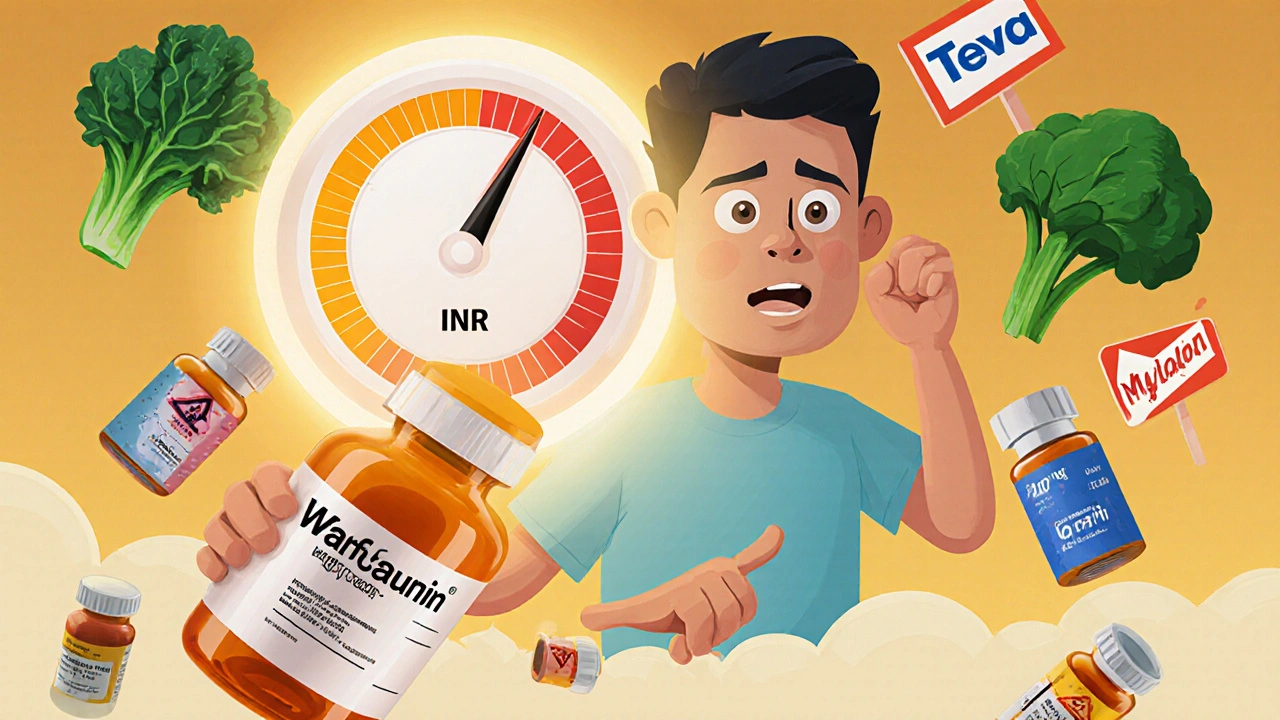
Warfarin and Generic Switching: What You Need to Know About INR Monitoring and Safety
Switching between generic warfarin brands can affect your INR levels. Learn why close monitoring is essential, how diet and medications interact with warfarin, and when to consider switching to newer anticoagulants.
Read MoreRecent Posts
-

Packing Medications for Air Travel: Best Practices for Safety
-

Managing Different Doses in Combinations: A Guide to Therapeutic Equivalents
-

Understanding High-Altitude Sedative Risks: Respiratory Safety Guide
-

Long-Term Antihistamine Use: Why Your Allergy Medication Might Stop Working
-
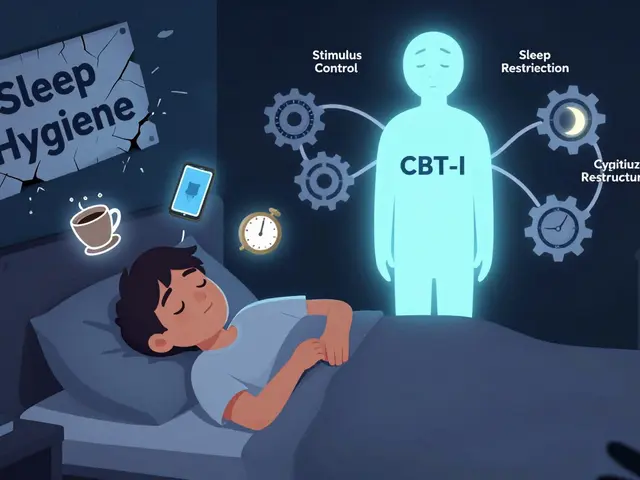
Chronic Insomnia: Why Sleep Hygiene Alone Fails and What Actually Works
