Heart Risk: Understanding Medications, Monitoring, and How to Stay Safe
When we talk about heart risk, the chance of developing serious cardiovascular problems like heart attack, stroke, or irregular heartbeat. Also known as cardiovascular risk, it’s not just about high blood pressure or bad cholesterol—it’s also about how the drugs you take to manage those conditions can change your risk in unexpected ways.
Take warfarin, a blood thinner used to prevent clots in people with atrial fibrillation or artificial heart valves. It works, but it’s tricky. Even small changes in diet, other meds, or switching to a different generic brand can throw off your INR monitoring, a blood test that measures how long it takes your blood to clot. If your INR is too high, you risk bleeding. Too low, and a clot could form. That’s why consistent vitamin K intake and avoiding drug interactions—like with NSAIDs or certain antibiotics—are not just tips, they’re lifesavers.
Then there’s statins, cholesterol-lowering drugs that reduce heart risk for millions. But they can cause muscle damage, measured by a blood test called CK (creatine kinase), a marker for muscle breakdown. Many people start statins without checking CK first, only to panic when they feel sore. Baseline testing isn’t always required, but for some, it’s the difference between safe treatment and unnecessary stoppage.
Heart risk doesn’t stop at drugs. People with atrial fibrillation, an irregular heartbeat that increases stroke risk and diabetes face a double challenge: managing blood sugar while keeping the heart rhythm stable. Some meds help one condition but hurt the other. And if you’re on lithium for bipolar disorder, mixing it with common painkillers like ibuprofen can spike lithium levels—harming your kidneys and indirectly increasing heart strain.
You can’t control everything, but you can control what you monitor. Know your numbers. Understand why your doctor ordered that test. Ask if a generic switch could affect your INR or if your statin dose needs a CK check. These aren’t just medical details—they’re part of your daily safety routine.
Below, you’ll find clear, no-fluff guides on exactly how these medications work, what to watch for, and how to avoid common traps that increase heart risk instead of reducing it. No theory. No guesswork. Just what you need to stay protected.
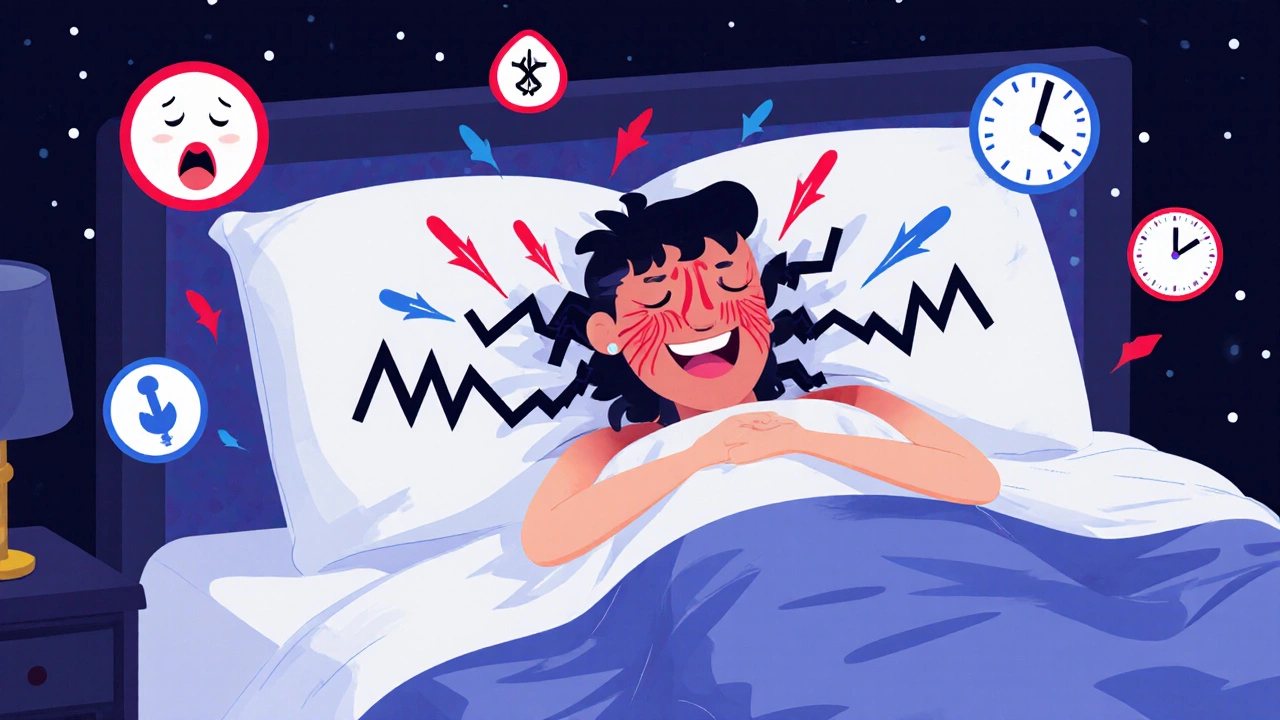
Sleep Apnea and Heart Risk: How Untreated Breathing Issues Raise Blood Pressure and Trigger Arrhythmias
Untreated sleep apnea spikes blood pressure and triggers dangerous heart rhythms like atrial fibrillation. Learn how breathing pauses at night damage your heart-and what actually works to fix it.
Read MoreRecent Posts
-

Packing Medications for Air Travel: Best Practices for Safety
-

Understanding High-Altitude Sedative Risks: Respiratory Safety Guide
-

OTC Gas and Bloating Remedies: Simethicone vs Enzyme Products Explained
-
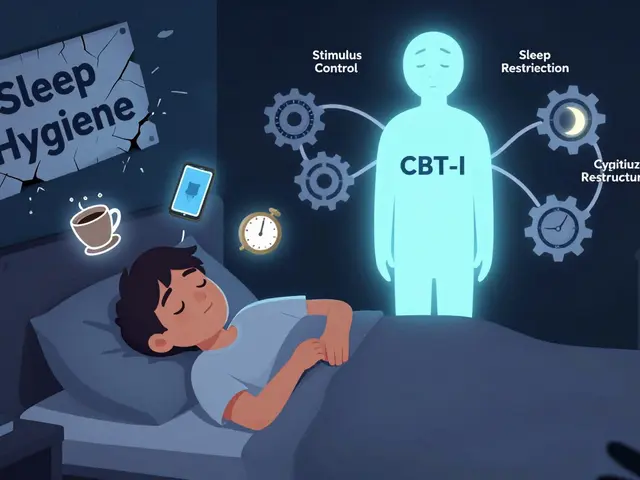
Chronic Insomnia: Why Sleep Hygiene Alone Fails and What Actually Works
-

Managing Different Doses in Combinations: A Guide to Therapeutic Equivalents
