Narrow Therapeutic Index: What It Means and Why It Matters for Your Medications
When a drug has a narrow therapeutic index, the range between an effective dose and a toxic one is very small. Also known as a narrow therapeutic window, this means even a tiny change in dosage can lead to treatment failure or serious side effects. It’s not just about taking the right pill—it’s about taking the exact right amount. This isn’t a problem with most over-the-counter pain relievers, but it’s critical for drugs like warfarin, lithium, digoxin, and certain seizure or transplant medications.
Drugs with a narrow therapeutic index require close monitoring. Your doctor might order regular blood tests to check levels, because what works for one person might be too much—or too little—for another. Factors like age, kidney function, liver health, and even what you eat can shift how your body handles these meds. For example, if you suddenly eat more leafy greens while on warfarin, your INR can drop fast. Or if you start a new antibiotic while taking digoxin, your heart could be at risk. These aren’t hypotheticals—they’re real risks backed by clinical data and daily practice.
It’s also why generic substitution isn’t always safe with these drugs. Even small differences in how a generic version is made—like the filler ingredients or how fast it dissolves—can push levels into dangerous territory. That’s why some states require special permission before switching a patient from brand to generic for drugs like cyclosporine or phenytoin. It’s not about cost-cutting; it’s about control. Pharmacogenomics testing is starting to help here too, showing how your genes affect how you process these meds, making personalized dosing more possible.
And it’s not just the dose that matters. Drug interactions are a big part of the risk. A common cold medicine, an herbal supplement, or even grapefruit juice can throw off the balance. That’s why your pharmacist might flag a new prescription—even if it looks harmless on paper. They’re trained to spot these hidden dangers.
If you’re on one of these medications, don’t guess. Keep a log of your doses, note any new symptoms, and always tell your doctor about every other pill, vitamin, or remedy you take. A narrow therapeutic index doesn’t mean you can’t use the drug safely—it just means you need to be more careful. The good news? With the right monitoring and communication, people manage these drugs successfully every day.
Below, you’ll find real-world guides on how to handle these high-risk meds—from understanding warfarin and vitamin K to comparing alternatives like Prazosin and Lexapro, and learning how to verify your pharmacy isn’t giving you a risky substitute. These aren’t theory pieces—they’re practical tools made by people who’ve been there.
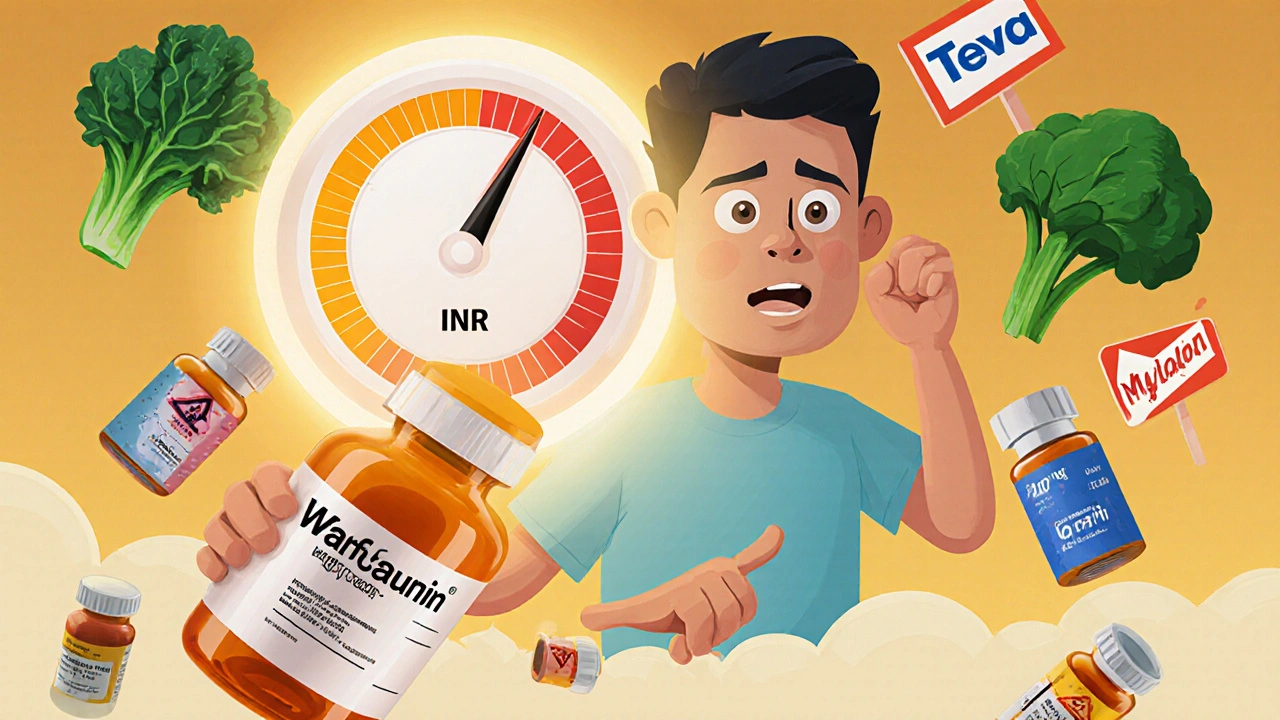
Warfarin and Generic Switching: What You Need to Know About INR Monitoring and Safety
Switching between generic warfarin brands can affect your INR levels. Learn why close monitoring is essential, how diet and medications interact with warfarin, and when to consider switching to newer anticoagulants.
Read More
FDA Bioequivalence Standards for NTI Drugs: What You Need to Know
The FDA enforces stricter bioequivalence standards for narrow therapeutic index (NTI) drugs like warfarin, phenytoin, and digoxin to prevent dangerous dosing variations. Learn how these rules differ from standard generics and why they matter for patient safety.
Read More
Bridging Studies for NTI Generics: Ensuring Safety and Efficacy
NTI generics require stricter bioequivalence studies than standard generics to ensure safety. Learn how bridging studies, FDA guidelines, and complex trial designs protect patients using critical medications like warfarin and levothyroxine.
Read More