NSAID Kidney Damage: Risks, Signs, and How to Stay Safe
When you pop an NSAID, a class of over-the-counter and prescription pain relievers that reduce inflammation and fever. Also known as nonsteroidal anti-inflammatory drugs, they’re used by millions daily for headaches, arthritis, or muscle pain. But what most people don’t realize is that these drugs can quietly harm your kidneys—especially if you take them often, at high doses, or already have other health issues.
Kidney injury, a decline in kidney function caused by reduced blood flow or direct toxic effects from medications from NSAIDs doesn’t always come with warning signs. It’s not like a broken bone—you won’t feel it until the damage is done. People with high blood pressure, diabetes, heart failure, or those over 60 are at higher risk. Even healthy adults can be affected if they use ibuprofen or naproxen every day for months. The kidneys filter blood and regulate fluid balance, and NSAIDs block chemicals that help keep blood flowing to them. No blood flow? No filtering. Over time, that leads to chronic kidney disease, a long-term condition where the kidneys slowly lose function, which can require dialysis or a transplant.
You might not notice symptoms until it’s advanced. But early red flags include swelling in your ankles, fatigue, trouble sleeping, changes in urination (less frequent or foamy), or unexplained nausea. If you’re taking NSAIDs regularly and have any of these, talk to your doctor. It’s not about avoiding pain relief—it’s about using it smarter. Alternatives like acetaminophen (Tylenol) are gentler on kidneys, though they have their own risks if misused. Physical therapy, heat therapy, or even low-dose antidepressants for chronic pain can help reduce reliance on NSAIDs.
The posts below give you real, practical info—like how certain medications interact with kidney function, what blood tests reveal about kidney health, and how people manage pain without putting their kidneys at risk. You’ll find comparisons of common pain meds, tips on safe usage, and insights from people who’ve learned the hard way. No fluff. Just what you need to protect your kidneys while still living well.
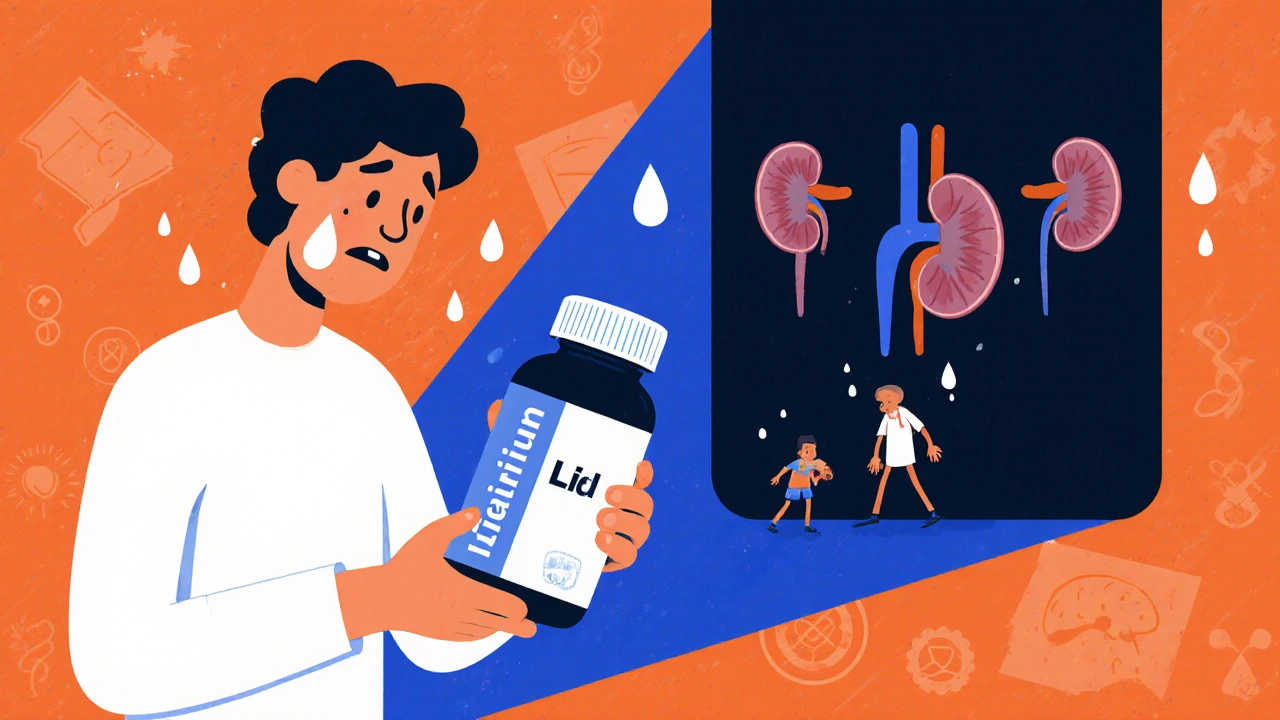
Lithium and NSAIDs: Understanding the Dangerous Kidney Risks
Lithium and NSAIDs like ibuprofen can dangerously interact, raising lithium levels by up to 60% and increasing kidney injury risk. Learn why this combo is life-threatening and what safer alternatives exist.
Read MoreRecent Posts
-

Online Reviews: How Patient Experiences Shape Trust in Generic Medications
-

Chronic Insomnia: Why Sleep Hygiene Alone Fails and What Actually Works
-
Long-Term Antihistamine Use: Why Your Allergy Medication Might Stop Working
-

Packing Medications for Air Travel: Best Practices for Safety
-

OTC Gas and Bloating Remedies: Simethicone vs Enzyme Products Explained
