When Pharmacists Should Recommend Authorized Generics: A Practical Guide
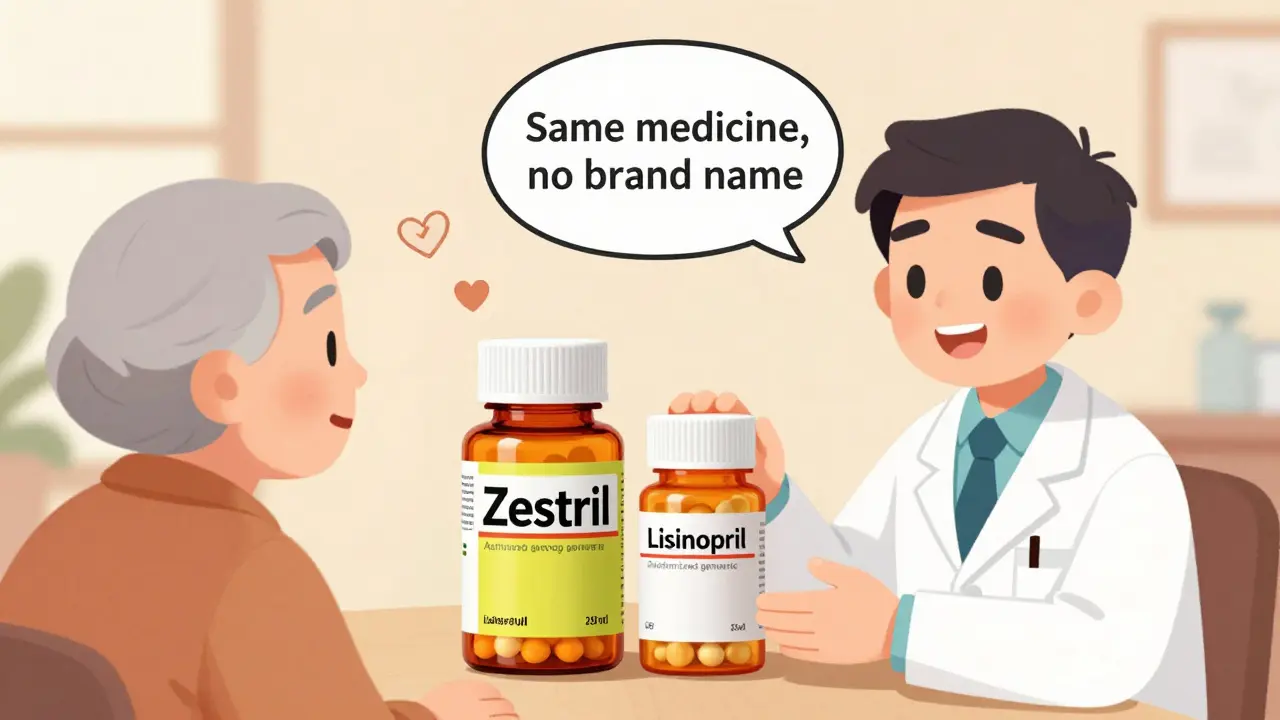
When a patient walks into the pharmacy with a prescription for a brand-name drug, the pharmacist’s job isn’t just to fill it - it’s to make sure the patient gets the right medication at the right cost, without compromising safety. One of the most underused tools in this process is the authorized generic. It’s not a regular generic. It’s not a cheaper knockoff. It’s the exact same pill, made by the same company that makes the brand-name version, just without the brand name on the label.
What Exactly Is an Authorized Generic?
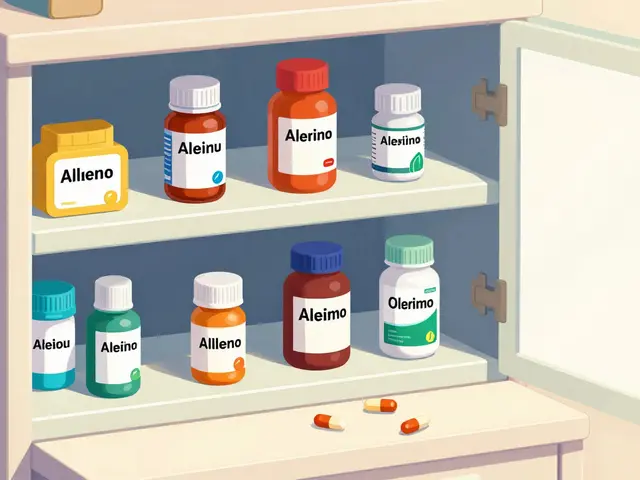
An authorized generic is the brand-name drug, produced by the original manufacturer or under their direct license, but sold without the brand name, logo, or fancy packaging. It has the same active ingredient, the same inactive ingredients - the same everything - as the brand-name version. The only differences are the color, shape, or markings on the pill, and the label.
This isn’t the same as a regular generic. Regular generics must prove they’re bioequivalent to the brand through FDA testing, but they can have different fillers, dyes, or preservatives. That’s fine for most people. But for someone with celiac disease, a gelatin allergy, or a strict vegan diet, those extra ingredients can be a problem. An authorized generic avoids that risk entirely because it matches the brand’s formula exactly.
The FDA has been tracking these since 1999 and updates its official list quarterly. As of September 2023, there were 257 authorized generics on the list - about 5% of all brand-name drugs with generic alternatives. Most are tablets or capsules. You won’t find them in the Orange Book as separate entries, because the FDA considers them therapeutically identical to the brand. That’s key: no testing needed. They’re the same drug, just repackaged.
When to Recommend an Authorized Generic - Three Clear Scenarios
Not every patient needs an authorized generic. But there are specific situations where switching to one isn’t just a cost-saving move - it’s a safety move.
1. Patients with Inactive Ingredient Sensitivities
Let’s say a patient has celiac disease. They’ve been on a brand-name medication for years and tolerate it perfectly. Then their insurance switches them to a regular generic. The new pill has a wheat-based filler. No one told them. They start having digestive issues. Their symptoms return. Their doctor blames their diet. The real culprit? An ingredient change in the generic.
Authorized generics don’t have this problem. Because they’re made by the brand company, they use the same inactive ingredients. Same gluten-free formula. Same lactose-free version. Same vegan-friendly coating. If the brand worked for them, the authorized generic will too.
This applies to other sensitivities too - people avoiding animal-derived gelatin, those with dye allergies, or those with rare intolerances to corn starch or lactose. A regular generic might have changed the filler. An authorized generic won’t.
2. Narrow Therapeutic Index (NTI) Drugs
Some medications have a razor-thin line between working and causing harm. Warfarin, levothyroxine, phenytoin - these are classic examples. Even tiny differences in how the body absorbs the drug can lead to serious side effects: blood clots, seizures, thyroid crashes.
The FDA has documented cases where switching from brand to regular generic caused measurable changes in blood levels for NTI drugs. In some studies, 3-5% of patients had trouble after the switch. That might sound small, but for someone on warfarin, a 5% change could mean a trip to the ER.
Authorized generics eliminate that risk. Since they’re chemically identical to the brand, there’s no variability in absorption or release. For patients on these drugs, the authorized generic is the safest alternative to the brand - better than a regular generic, and cheaper than the brand.
3. Modified-Release Formulations
Some drugs are designed to release slowly over time - extended-release tablets, delayed-release capsules, or transdermal patches. Bioequivalence testing for generics doesn’t always catch small differences in how these systems work in the body.
There have been cases where patients on brand-name extended-release medications switched to a regular generic and noticed their symptoms returning earlier in the day, or experiencing spikes in side effects. The active ingredient was the same, but the way it was released wasn’t.
An authorized generic doesn’t have this issue. It uses the same release technology as the brand. If the patient was stable on the brand, the authorized generic will keep them stable.
Cost Savings - But Don’t Assume It’s Always Cheaper
Authorized generics typically cost 20-80% less than the brand-name version. That’s a huge savings. But here’s the catch: insurance plans don’t always treat them like generics.
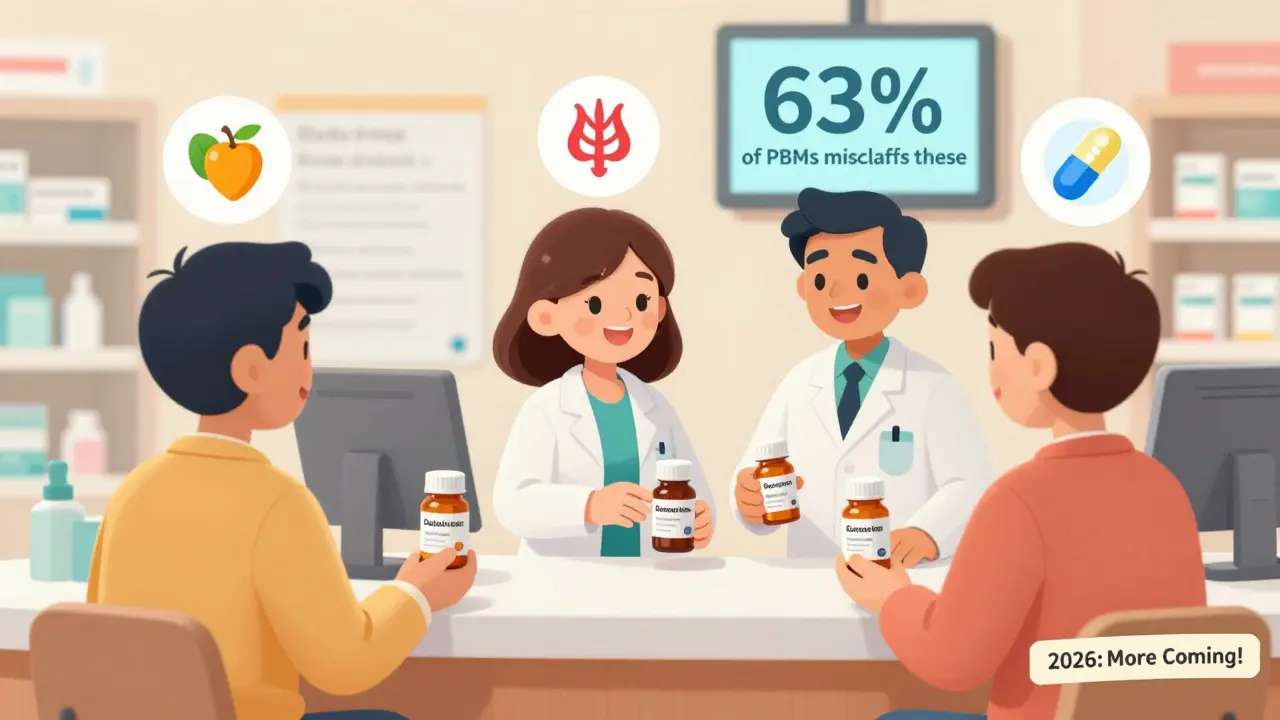
According to a 2022 Health Affairs study, 63% of pharmacy benefit managers (PBMs) still classify authorized generics under the brand-name tier in their formularies. That means the patient pays the same high copay as if they bought the brand - even though the pill is identical and costs far less to produce.
So before recommending an authorized generic, check the patient’s insurance tier. Sometimes, the regular generic is cheaper. Sometimes, the authorized generic is the best deal. Sometimes, neither is covered well, and the brand is actually the most affordable with a coupon.
Always compare out-of-pocket costs. Don’t assume “generic = cheap.” Authorized generics are a different kind of savings - one based on formulation, not just price.
How to Spot an Authorized Generic
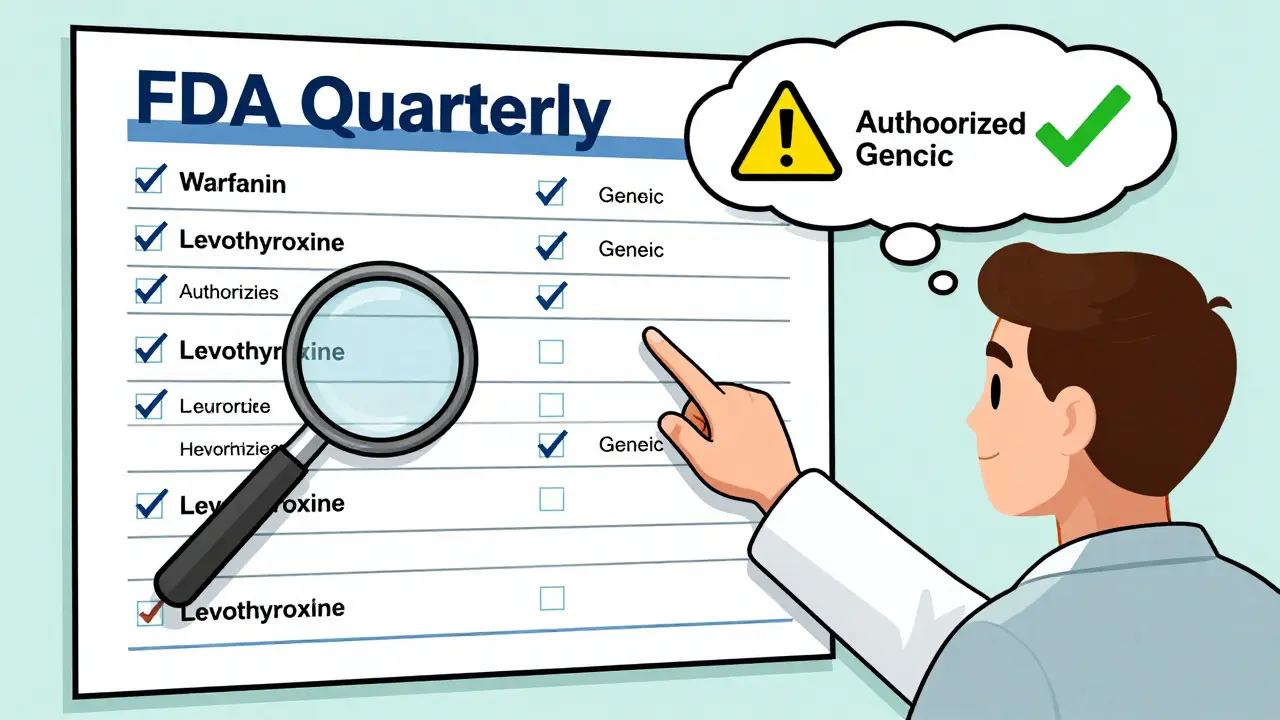
There’s no sticker or symbol that says “authorized generic.” You have to dig a little.
Start with the FDA’s quarterly list of authorized generics. It’s free, updated every three months, and includes the brand name, the manufacturer, and the market entry date. You can also check the National Drug Code (NDC) directory. If the labeler code matches the brand-name manufacturer - like Pfizer, Merck, or Novartis - it’s likely an authorized generic. Regular generics usually have labeler codes from companies like Teva, Mylan, or Sandoz.
Another clue: if the pill looks almost identical to the brand - same size, same color, same markings - but the label says something like “Lisinopril 10 mg” instead of “Zestril,” it’s probably an authorized generic. The brand company made it. They just took off their name.
What to Tell Patients
Patients get confused when their pill changes color or shape. They think it’s a different drug. That’s why counseling matters.
Don’t just hand over the bottle and say, “Here’s your generic.” Say: “This is the exact same medication as your brand, made by the same company. The only difference is the label. The active ingredient is the same. The fillers are the same. It’s safe to switch.”
Studies show that when patients are properly explained this, only 8% stop taking the medication. Without explanation, that number jumps to 27%. That’s a massive drop in adherence - and a risk to health.
Also, remind them: if they’ve had trouble with a regular generic before, this might be the solution. If they’ve had side effects or felt the medication wasn’t working as well, switching to an authorized generic could help.
Legal and Documentation Notes
In 42 U.S. states, pharmacists can substitute a brand-name drug with an authorized generic unless the prescriber wrote “dispense as written.” Federal law doesn’t require notifying the prescriber, but 18 states do - so check your state rules.
Document the substitution clearly. Use the “DA” modifier in billing systems. Keep a record showing the authorized generic matches the brand in active and inactive ingredients. If a patient has a bad reaction later, you’ll need that paper trail.
What’s Changing in 2026
The number of authorized generics has grown 18% per year since 2010. More are coming. The FDA is keeping its quarterly list updated. Consumer awareness is rising - GoodRx reports a 47% increase in searches for “authorized generics” between 2021 and 2022.
Legislation like the Affordable Insulin Now Act of 2023 could open the door for more authorized generics in high-cost drug categories. Professional groups like the American Pharmacists Association are working on new guidelines for 2024 that will give pharmacists clearer rules for recommending them.
As healthcare shifts toward value-based care, pharmacists who know when to recommend authorized generics will play a bigger role in patient outcomes - not just cost savings.
Limitations to Keep in Mind
Not every brand has an authorized generic. Only about 5% do. And while they’re usually identical, rare cases exist where a manufacturer made a small formulation change when launching the authorized version - though that’s uncommon and usually disclosed by the FDA.
Some wholesalers carry them. Others don’t. Prasco’s authorized generics, for example, are often available through AmerisourceBergen and Cardinal Health, but not McKesson. You might need to order them directly.
And while they’re safe for most, always verify with the patient’s medical history. If they’ve had a reaction to the brand, don’t assume the authorized generic is safe - even if it’s the same formula. Sometimes, the packaging or manufacturing process triggers a reaction. Always ask.
Are authorized generics the same as regular generics?
No. Regular generics have the same active ingredient but may use different fillers, dyes, or coatings. Authorized generics are made by the brand-name manufacturer and contain the exact same active and inactive ingredients. They’re chemically identical to the brand - just without the brand name on the label.
Why do authorized generics cost less than the brand?
They cost less because they don’t carry the marketing, advertising, or patent protection costs of the brand-name drug. The manufacturer already recouped those expenses. The authorized generic is simply the same product sold under a different label, so the price drops significantly - often by 20% to 80%.
Can I substitute an authorized generic without the prescriber’s approval?
In most states, yes - as long as the prescription doesn’t say “dispense as written.” Federal law allows substitution, and 42 states permit it without notifying the prescriber. But 18 states require prescriber notification for any generic substitution, including authorized generics. Always check your state’s pharmacy board rules.
Do insurance plans cover authorized generics like regular generics?
Not always. About 63% of pharmacy benefit managers (PBMs) still classify authorized generics under the brand-name tier in their formularies. That means patients may pay a higher copay than they would for a regular generic - even though the medication is identical. Always check the patient’s insurance tier before recommending.
How do I find out if an authorized generic is available for a brand-name drug?
Check the FDA’s quarterly updated list of authorized generics on their website. You can also look up the National Drug Code (NDC) in the FDA’s database. If the labeler code matches the brand-name manufacturer (like Pfizer or Merck), it’s an authorized generic. Many pharmacies also have internal tools or vendor lists that flag these options.
Next Steps for Pharmacists
Start by reviewing your top 10 most-prescribed brand-name drugs. Check the FDA’s list. See if any have authorized generics. Talk to your wholesalers - ask if they carry them. Train your staff to recognize the difference between regular generics and authorized generics.
When a patient says, “My pill changed,” don’t brush it off. Ask: “Did you switch to a generic?” Then ask: “Do you know if it’s a regular generic or an authorized one?” That simple question can prevent a medication error - or worse, a treatment failure.
Authorized generics aren’t the answer for every patient. But for those with sensitivities, NTI drugs, or modified-release formulations, they’re often the best option. And when the cost savings are real and the safety is better than a regular generic, recommending one isn’t just good practice - it’s patient care done right.

13 Comments

Alex Danner
Authorized generics are the unsung heroes of pharmacy. I’ve had patients on warfarin who went from INR 6.2 to 2.8 after switching from a regular generic back to the authorized version. Same pill. Same manufacturer. Just no fancy branding. It’s not about cost-it’s about stability. And honestly, if your patient’s on a narrow therapeutic index drug and you’re not even checking if an authorized generic exists, you’re doing them a disservice.

Rachel Steward
Oh please. You act like this is some revolutionary insight. The FDA’s been tracking these since 1999. The only reason pharmacists don’t push them is because PBMs make more money off brand-tier pricing. It’s not about patient care-it’s about profit margins disguised as ‘clinical judgment.’ And don’t get me started on how some generics have corn starch that triggers anaphylaxis in 0.03% of the population but nobody tracks it because ‘it’s just a filler.’

steve rumsford
Man I had a friend switch to an authorized generic for levothyroxine and suddenly she wasn’t exhausted all day. Her doctor was like ‘it’s the same thing’ but no it’s not. The generic they gave her before made her feel like a zombie. This one? She started hiking again. Wild.

Katrina Morris
So if the pill looks exactly the same but has a different label is it still the same drug or just a rebranding trick I mean I trust my pharmacist but also I’m scared of pills changing color now

LALITA KUDIYA
Love this post from India where generics are everywhere and no one knows the difference. We need more awareness here. Thank you for explaining it so clearly 🙏

Poppy Newman
THIS. I’ve had patients cry because they thought their medication ‘stopped working’ after switching generics. Then we switched to authorized-and they said it felt like they got their life back. 🫂

Kamlesh Chauhan
So you're telling me the same company that charges $500 for a pill makes a cheaper version and hides it from us like it's some secret club? And we're supposed to trust them? Yeah right. This is just Big Pharma’s way of keeping you hooked on their brand while pretending they care

Mina Murray
Wait. So if the authorized generic is identical, why isn’t it listed in the Orange Book? Why does the FDA treat it like a loophole? And why do 63% of PBMs still classify it as brand-tier? This smells like a coordinated fraud. Someone’s getting rich off placebo pricing. I’ve seen the spreadsheets. It’s not about safety-it’s about revenue optimization.

Jonathan Larson
As a practicing pharmacist with over two decades of experience, I can attest that the distinction between authorized generics and conventional generics is not merely academic-it is clinically significant. The ethical imperative to prioritize patient safety over reimbursement structures cannot be overstated. I routinely counsel patients on this nuance, and the impact on adherence is profound.

Vince Nairn
So you're saying the real problem isn't that generics are bad... it's that the *same* company that made the brand is also making the generic but just taking the logo off? And we're supposed to be impressed? Wow. Groundbreaking. Next you'll tell me water is wet.

Kyle King
They’re hiding the truth. Authorized generics? More like authorized lies. The brand companies only release them when their patent’s about to die and they want to corner the cheap market. They’re not doing it for you. They’re doing it to control the whole damn supply chain. Wake up.

Jessie Ann Lambrecht
Y’all need to stop treating this like a pharmacy trivia contest. This isn’t about ‘which pill is which’-it’s about someone with celiac disease not having a flare-up because their med didn’t get swapped for one with wheat filler. That’s not a ‘niche case.’ That’s someone’s life. If you’re not checking inactive ingredients, you’re not practicing medicine-you’re just filling bottles.

Andrew N
Authorized generics exist. They’re the same as brand. Cost less. But most pharmacists don’t know how to find them or don’t care. Patients don’t know to ask. Insurance doesn’t cover them right. So nothing changes. It’s all just noise.


Write a comment