Diphenhydramine Overdose: Recognizing Antihistamine Toxicity and Emergency Care
Diphenhydramine Toxicity Estimator
Most people view the medicine cabinet's standby allergy relief as completely harmless. But there is a dangerous side to these common pills. When someone takes too much of a first-generation antihistamine, the body doesn't just feel sleepy-it can enter a state of systemic collapse. A diphenhydramine overdose is a serious medical emergency that mimics a severe poisoning, capable of shutting down the bladder, sending the heart into dangerous rhythms, and triggering vivid, terrifying hallucinations.
The Danger Zone: When Does It Become Toxic?
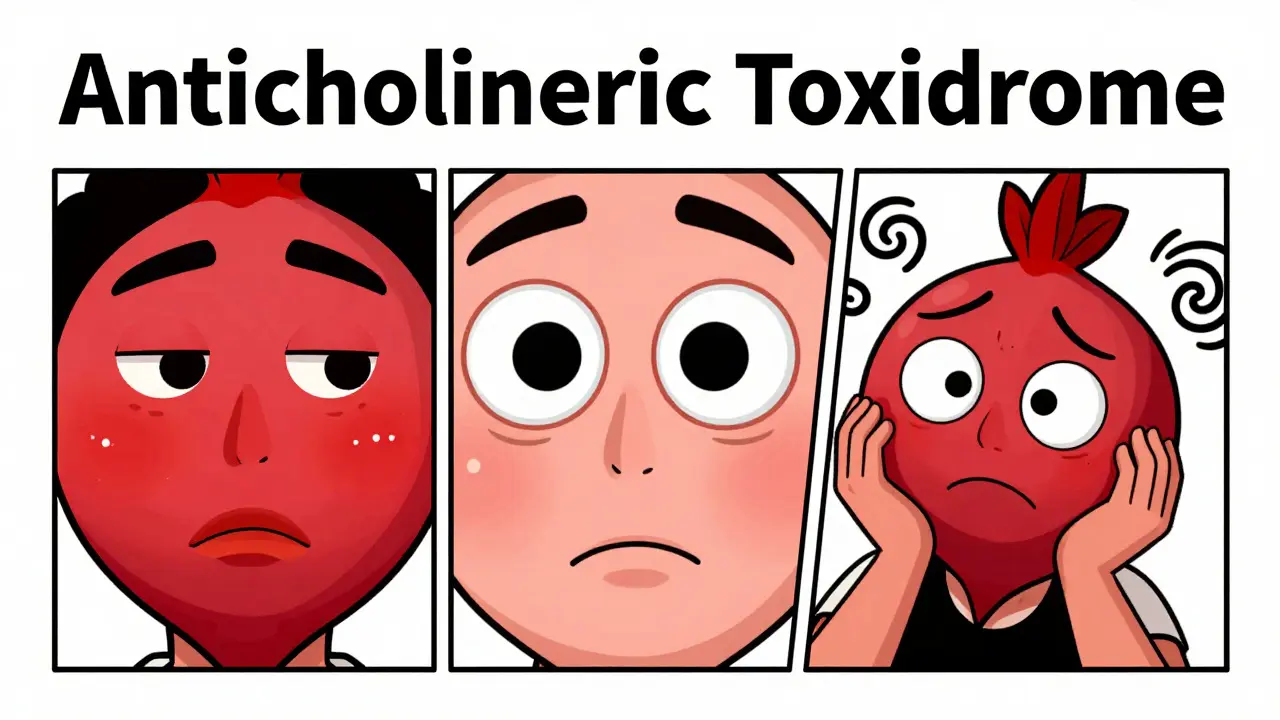
It is easy to underestimate over-the-counter meds, but diphenhydramine acts similarly to tricyclic antidepressants in high doses. It doesn't just block histamine; it blocks acetylcholine, a key neurotransmitter that controls everything from your heart rate to your ability to pee. This creates what doctors call an anticholinergic toxidrome.
For a typical adult, a few extra pills might just cause extreme drowsiness. However, in children or those attempting to achieve hallucinogenic effects, the numbers climb quickly. According to the National Poison Data System, there are between 12,000 and 15,000 reported cases of diphenhydramine poisoning every year in the U.S. alone. A worrying trend is the rise of social media "challenges" where teenagers take massive doses to "trip," not realizing they are risking permanent organ damage or death.
Spotting the Symptoms: The Anticholinergic Toxidrome
If you suspect someone has overdosed, you aren't looking for one single symptom, but a cluster of them. Medical professionals use a famous mnemonic to remember the signs of Anticholinergic Syndrome. If you see these patterns, call emergency services immediately:
- Dry as a bone: The mouth and mucous membranes become completely dry. No saliva, no sweat.
- Red as a beet: The skin becomes flushed and warm to the touch.
- Blind as a bat: The pupils dilate wide (mydriasis), making vision blurry and the eyes unresponsive to light.
- Mad as a hatter: This is the neurological side. Expect agitation, severe confusion, and vivid hallucinations.
- Hot as Hades: The body temperature can spike dangerously, sometimes exceeding 104°F (40°C).
- Full as a flask: The bladder stops emptying, leading to painful urinary retention.
In severe cases-usually those exceeding 20 mg/kg-the symptoms shift from uncomfortable to lethal. About 15-20% of severe cases involve seizures. You might also see hypotension, where blood pressure drops below 90 mmHg, or severe psychosis where the person loses touch with reality entirely.
The Heart and the EKG: The Hidden Risk
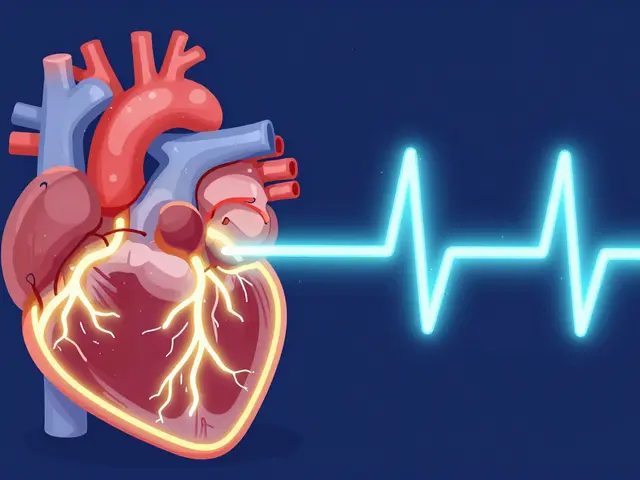
The most dangerous part of a diphenhydramine overdose isn't the hallucinations; it's the heart. The drug blocks sodium channels in the cardiac cells. This slows down the electrical signals in the heart, which shows up on an Electrocardiogram (EKG) as a wide QRS complex.
If the QRS duration exceeds 100 ms, the patient is at a high risk for sudden cardiac arrest. Similarly, the QTc interval (the time it takes for the heart to recharge) can prolong. If it goes over 450 ms in men or 470 ms in women, it can trigger a fatal arrhythmia. This is why continuous cardiac monitoring is the gold standard for anyone admitted for antihistamine toxicity.
| Metric | Normal Value | Toxic Threshold | Clinical Risk |
|---|---|---|---|
| QRS Complex | < 100 ms | > 100 ms | Sodium channel blockade / Arrhythmia |
| QTc Interval | < 450 ms (M) | > 500 ms | Torsades de Pointes / Cardiac Arrest |
| Heart Rate | 60-100 bpm | > 140 bpm | Severe Tachycardia |

Emergency Response and Medical Treatment
There is no single "magic pill" to reverse a diphenhydramine overdose, but doctors use a targeted, symptom-based approach. The priority is always the ABCs: Airway, Breathing, and Circulation.
For those fighting seizures or severe agitation, Benzodiazepines like diazepam or lorazepam are the first line of defense. They calm the central nervous system and stop the shaking. However, for the "mad as a hatter" delirium, doctors may use a drug called Physostigmine. This is a reversible acetylcholinesterase inhibitor that can actually clear the mental fog and reverse the anticholinergic effects. In one study, physostigmine helped 87% of patients recover from delirium, compared to only 24% using standard sedatives.
If the heart is struggling, the treatment changes. To fix the wide QRS complex, medical teams administer a sodium bicarbonate infusion. This changes the pH of the blood and helps "unstick" the sodium channels in the heart. For extreme cases of cardiovascular collapse, doctors might even use intravenous lipid emulsions or ECMO (extracorporeal membrane oxygenation) to keep the patient alive until the drug clears the system.
Practical Steps for First Responders and Parents
If you find someone who has taken too many antihistamines, every minute counts. Do not try to induce vomiting unless specifically told to do so by a professional, as this can cause aspiration if the person is drowsy.
- Call Poison Control: In the U.S., call 1-800-222-1222 immediately. They provide real-time guidance based on the dose and the person's weight.
- Check the Bottle: Look for other ingredients. Many products, like Tylenol PM, combine diphenhydramine with acetaminophen. This means the patient might be suffering from liver toxicity and antihistamine poisoning at the same time.
- Keep Them Cool: If the person is feverish, use ice packs or cooling blankets. Hyperthermia can lead to rhabdomyolysis (muscle breakdown), which can destroy the kidneys.
- Monitor Breathing: Be ready to perform CPR if the person loses consciousness and stops breathing.
Observation is key. Even if the person seems "fine" after a few hours, they need to be monitored for at least 6 hours after symptoms resolve. Cardiac issues can sneak up several hours after the initial ingestion.
Can a Benadryl overdose be fatal?
Yes, though it is rare. Fatalities typically occur when doses exceed 20 mg/kg. Death is usually caused by severe cardiac arrhythmias, respiratory failure, or complications from seizures and extreme hyperthermia.
What is the "Benadryl Challenge" and why is it dangerous?
It is a social media trend where people take high doses of diphenhydramine to induce hallucinations. It is extremely dangerous because the dose required for hallucinations is very close to the dose that causes seizures, heart failure, and coma.
Why is sodium bicarbonate used in these cases?
Diphenhydramine blocks sodium channels in the heart, which widens the QRS complex on an EKG. Sodium bicarbonate increases the extracellular sodium concentration and changes the pH, helping to overcome this blockade and stabilize the heart rhythm.
How long does it take for the effects to wear off?
While acute toxicity is treated in the ER, lingering effects like sedation and confusion can last for 24 to 48 hours. About 40% of moderate-to-severe cases experience residual confusion for several days.
Can you take an antidote for diphenhydramine?
Physostigmine is the closest thing to an antidote for the neurological symptoms (delirium), but it is only used in specific cases and is contraindicated if the patient has heart conduction issues or is having seizures.