Anticoagulant Safety: What You Need to Know About Blood Thinners and Risks
When you're on an anticoagulant, a medication that prevents dangerous blood clots by slowing down the clotting process. Also known as blood thinner, it's not a drug you take lightly—small mistakes can lead to serious bleeding or clotting events. Whether it’s warfarin, apixaban, or rivaroxaban, these drugs keep your blood flowing smoothly, but they demand attention. A missed dose, a new supplement, or even a change in your leafy green intake can throw off the balance.
One of the biggest risks isn’t the drug itself—it’s what you mix it with. warfarin, a long-used anticoagulant that requires regular blood monitoring reacts with dozens of foods and medicines. Vitamin K in spinach, kale, or broccoli doesn’t make warfarin less effective—it just needs to stay consistent. Sudden changes in how much you eat can cause your INR to swing dangerously. And don’t forget common painkillers like ibuprofen or aspirin. They don’t just hurt your stomach—they raise your risk of internal bleeding when paired with anticoagulants.
Then there’s the silent danger: drug interactions. drug interactions, when one medication changes how another works in your body, are a leading cause of hospital visits for people on blood thinners. Antibiotics, antifungals, even some herbal teas can spike your INR overnight. That’s why checking every new prescription—even for a cold or acne—with your pharmacist matters. It’s not paranoia; it’s survival.
And let’s talk about signs you can’t ignore. A nosebleed that won’t stop, urine that looks like cola, or bruising without injury? These aren’t normal. They’re red flags that your blood isn’t clotting the way it should. Most people think anticoagulant safety is about remembering to take pills. It’s not. It’s about knowing what to watch for, how to talk to your doctors, and how your daily choices affect your blood’s behavior.
You’ll find real stories here—not theory. Posts cover how vitamin K intake keeps INR stable, why certain antibiotics are off-limits, what to do if you fall and hit your head, and how to avoid deadly mix-ups with over-the-counter meds. There’s no fluff. Just what works, what doesn’t, and what no one tells you until it’s too late.
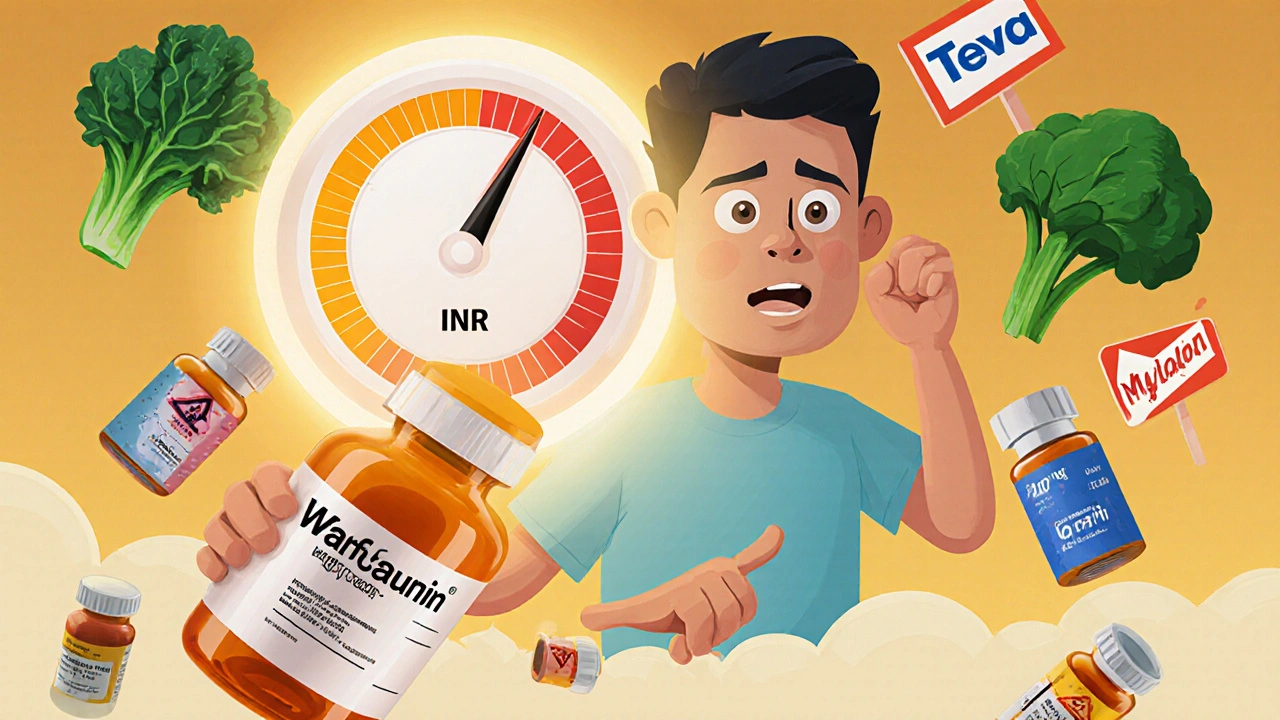
Warfarin and Generic Switching: What You Need to Know About INR Monitoring and Safety
Switching between generic warfarin brands can affect your INR levels. Learn why close monitoring is essential, how diet and medications interact with warfarin, and when to consider switching to newer anticoagulants.
Read MoreRecent Posts
-
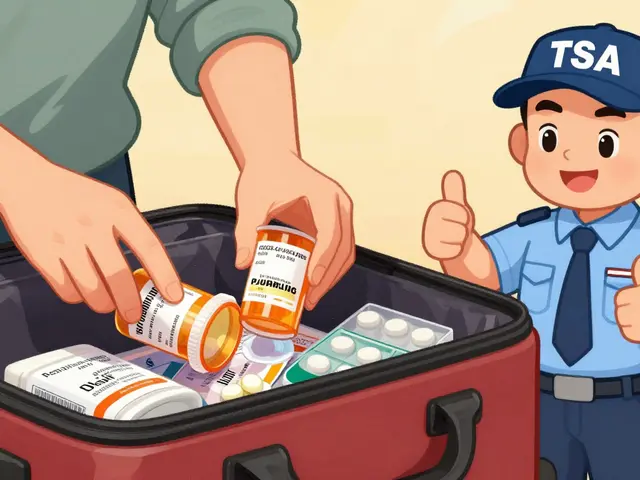
Packing Medications for Air Travel: Best Practices for Safety
-
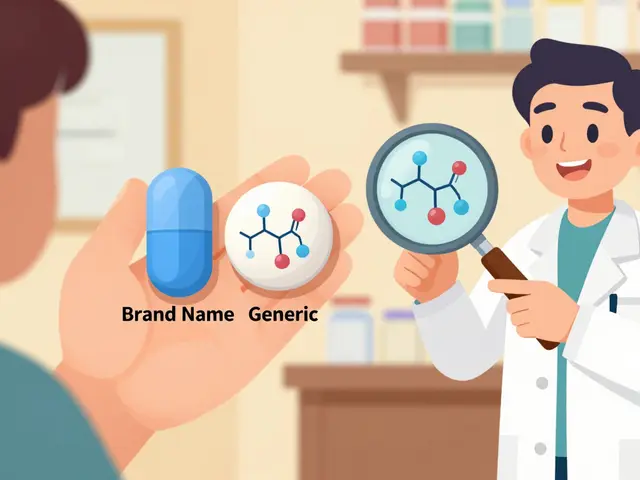
Addressing Patient Concerns About Generic Medications: Common Questions Answered
-
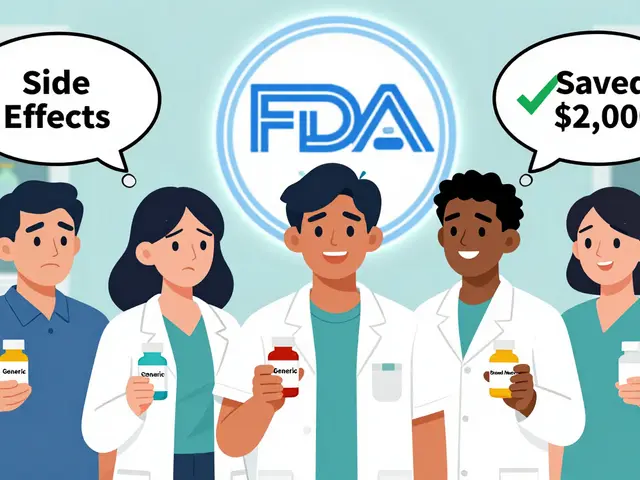
Online Reviews: How Patient Experiences Shape Trust in Generic Medications
-
Managing Different Doses in Combinations: A Guide to Therapeutic Equivalents
-

Understanding High-Altitude Sedative Risks: Respiratory Safety Guide
