Medication Substitution: What You Need to Know About Switching Drugs Safely
When your pharmacy gives you a different pill than what your doctor prescribed, that’s medication substitution, the practice of replacing a brand-name drug with a chemically similar generic version. Also known as generic switching, it’s common, legal, and often saves money—but not all substitutions are safe. For most drugs, it’s fine. But for others, even tiny differences in how the body absorbs the medicine can cause serious problems.
Take warfarin, a blood thinner used to prevent clots. Small changes in its dose can lead to dangerous bleeding or clots. Studies show switching between generic brands of warfarin can shift your INR levels—sometimes enough to require emergency care. That’s why doctors and pharmacists monitor INR closely after any switch. The same goes for NTI drugs, narrow therapeutic index medications where the difference between a safe and toxic dose is very small. These include drugs like phenytoin, levothyroxine, and lithium. The FDA requires stricter testing for these generics, but the risk doesn’t vanish. Even if a generic is approved, your body might react differently than before.
Insurance companies push for substitution because it cuts costs. But you have rights. Some states let you refuse a generic if your doctor says it’s unsafe. Others require pharmacies to notify you before switching. And if you’ve had bad reactions before, you can ask for a brand-name exception. It’s not always easy, but it’s possible. The key is knowing which drugs are high-risk and speaking up before the pill changes hands.
You’ll find real stories here—from people who had to fight their insurer for the right drug, to those who discovered hidden interactions after a switch, to patients who stabilized their health by avoiding substitution altogether. Whether you’re on anticoagulants, antidepressants, or cholesterol meds, this collection gives you the tools to understand when substitution helps and when it hurts.
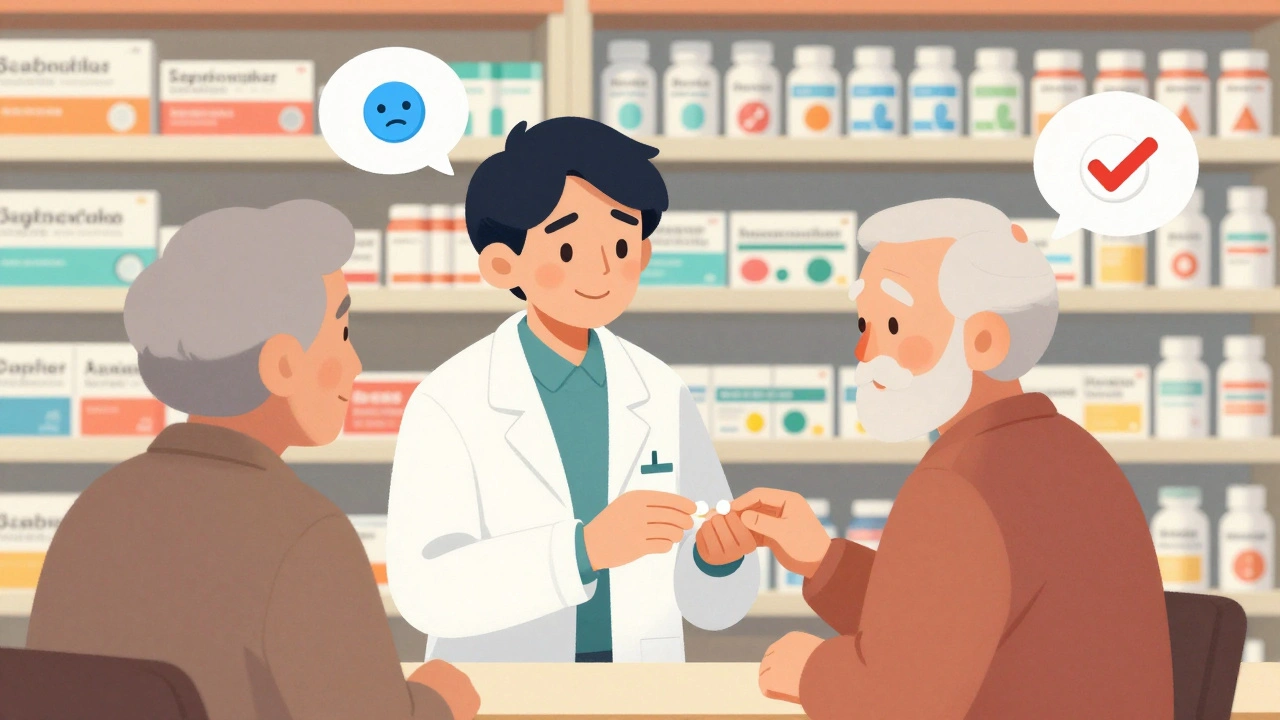
Common Pharmacist Concerns About Generic Substitution: What Really Happens Behind the Counter
Pharmacists support generic substitution to cut costs and improve access, but face major hurdles from patient mistrust, lack of prescriber communication, and complex clinical cases. Here’s what really happens behind the counter.
Read More