Older Adults and Medications: What You Need to Know About Safety, Interactions, and Side Effects
When you’re an older adult, a person typically aged 65 or older who may be managing multiple chronic conditions and medications. Also known as seniors, this group faces unique challenges with drug safety because the body changes with age—how medicines are absorbed, processed, and cleared becomes less predictable. About 80% of older adults take at least one prescription drug, and nearly 40% take five or more. That’s not just common—it’s risky. Each extra pill adds a chance for something to go wrong, especially when herbs, over-the-counter meds, or even food get mixed in.
Take warfarin, a blood thinner with a narrow window between helping and harming. For older adults, switching between generic brands or eating more spinach than usual can throw off INR levels fast, leading to dangerous bleeding or clots. Then there’s statins, cholesterol drugs that often cause muscle pain in seniors. Many stop them thinking they’re intolerant, but structured clinics show most can get back on them with dose tweaks or different types. And don’t forget lithium, a mood stabilizer that becomes toxic when paired with common painkillers like ibuprofen. Kidney function drops with age, so even small changes in other meds can push lithium levels into danger zones.
It’s not just about what you take—it’s about how your body handles it. Older adults metabolize drugs slower, store them differently, and are more sensitive to side effects like dizziness, confusion, or falls. A drug that’s fine for a 30-year-old might leave a 75-year-old shaky or disoriented. That’s why baseline tests like CK levels before starting statins, or careful INR tracking on warfarin, aren’t optional—they’re lifesavers. And when sleep meds or opioids get added to the mix, the risks climb even higher. The good news? You don’t have to guess. There are proven ways to cut down on unnecessary pills, spot dangerous combos before they hurt you, and find safer alternatives that still work.
What you’ll find here aren’t generic advice or fluff. These are real, tested insights from posts written for people who live this every day—whether you’re managing diabetes with alcohol, dealing with statin side effects, watching for lithium toxicity, or trying to sleep through medication-induced insomnia. Every article is grounded in what actually happens in clinics, pharmacies, and homes. No theory. No assumptions. Just what works—and what doesn’t—for older adults navigating a complex world of pills, patches, and prescriptions.
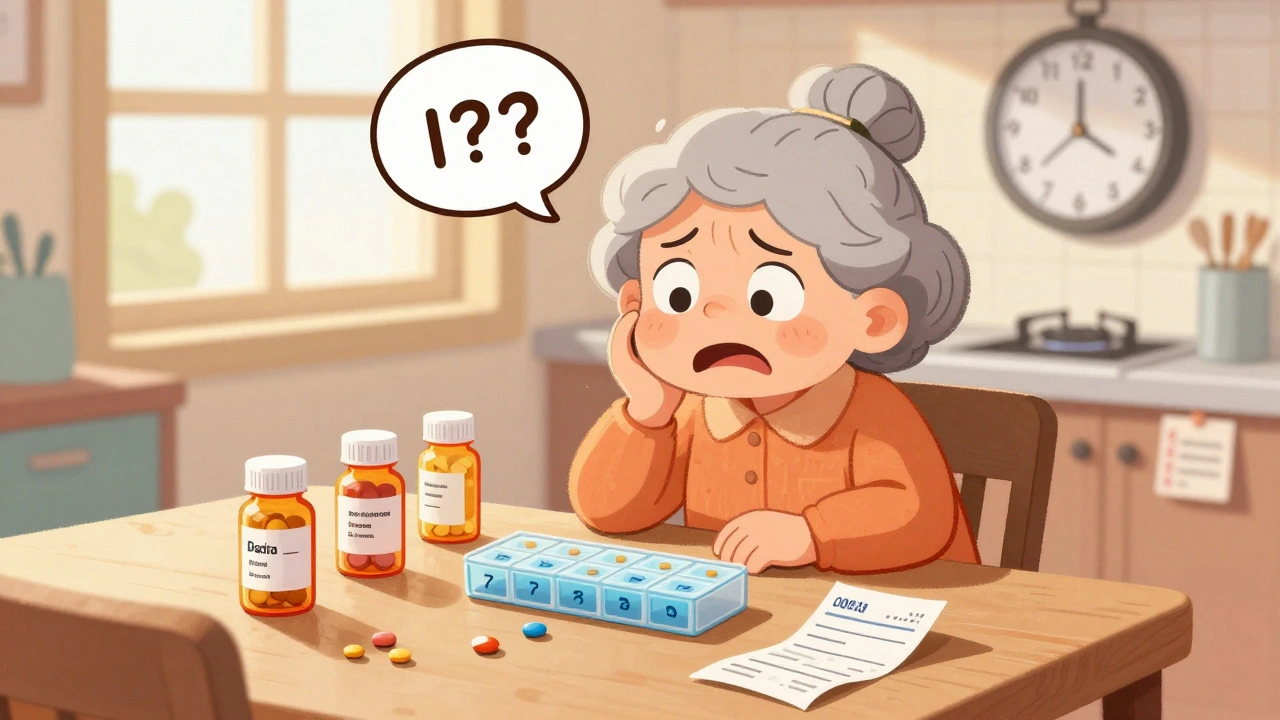
Medication Adherence Challenges for Older Adults: Practical Solutions That Work
Most older adults take multiple medications, but nearly one in three don't take them as prescribed. This article breaks down the real reasons why - from cost to confusion - and shares practical, proven solutions that work.
Read More