Pleural Effusion: Causes, Diagnosis, and Treatment Options
When fluid builds up between the layers of tissue lining your lungs and chest wall, that’s called pleural effusion, an abnormal collection of fluid in the space surrounding the lungs. Also known as fluid around the lungs, it doesn’t cause symptoms on its own—but it’s your body’s way of signaling something serious is going on. You might feel short of breath, especially when lying down, or notice a dull chest pain that gets worse when you breathe deeply. It’s not rare: up to 1.5 million cases are diagnosed in the U.S. every year, mostly in people over 65.
This condition links directly to other health issues you’ve probably heard of. For example, heart failure, when the heart can’t pump blood efficiently is the top cause of pleural effusion. Fluid backs up because the heart isn’t moving blood the way it should. Pneumonia, a lung infection that can trigger inflammation and fluid leakage is another common culprit. Less obvious causes include cancer spreading to the lining of the lung, liver disease, or even reactions to certain medications. You won’t always know why it’s happening until a doctor checks.
Diagnosing pleural effusion usually starts with a chest X-ray or ultrasound. If the fluid is significant, a procedure called thoracentesis, a needle inserted into the chest to remove fluid for testing might be done. The fluid is analyzed for signs of infection, cancer cells, or protein levels that point to heart or liver problems. Treatment depends entirely on the root cause. If it’s heart failure, diuretics help. If it’s an infection, antibiotics are needed. In severe cases, a tube might be left in place to drain fluid over days. Some people need surgery if fluid keeps coming back.
The posts below cover real-world situations tied to pleural effusion—from how medications affect fluid balance to how chronic conditions like kidney disease or autoimmune disorders can trigger it. You’ll find guides on managing symptoms, understanding test results, and spotting warning signs that mean you need to act fast. There’s no one-size-fits-all fix, but knowing what’s behind the fluid makes all the difference in how you move forward.
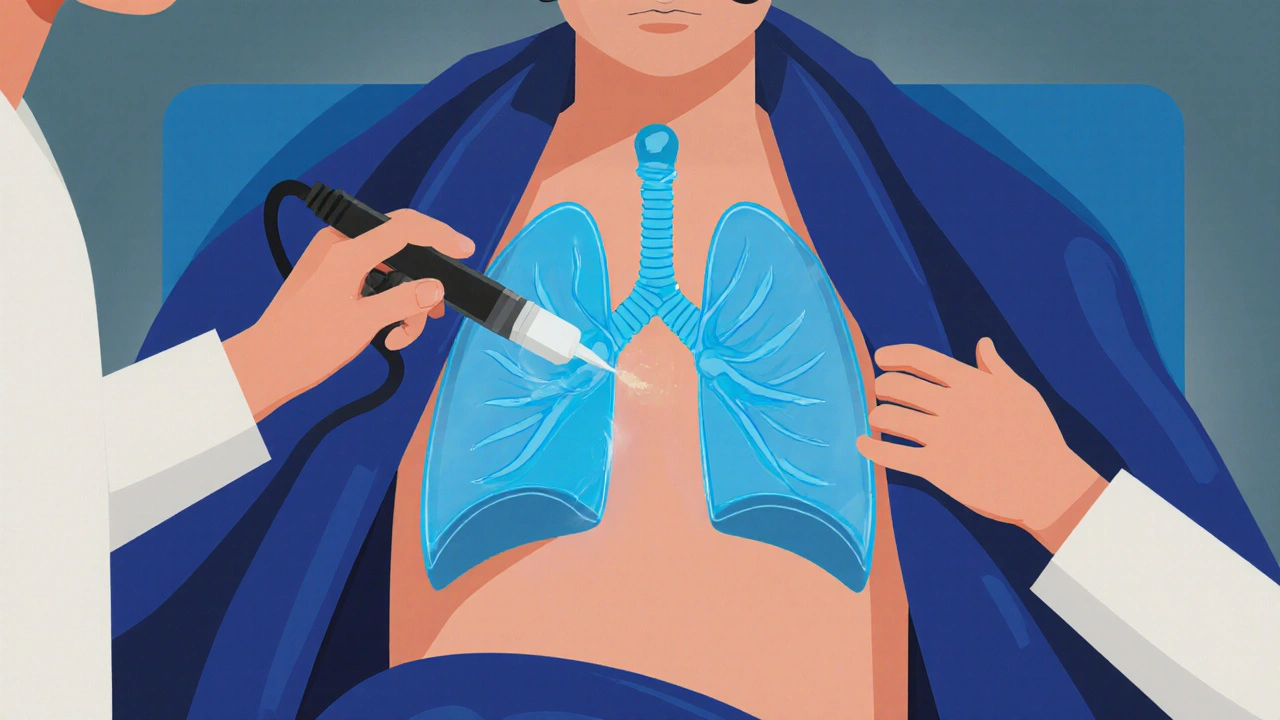
Pleural Effusion: Causes, Thoracentesis, and How to Prevent Recurrence
Pleural effusion causes breathing trouble due to fluid around the lungs. Learn the main causes, how thoracentesis works with ultrasound guidance, and proven ways to prevent it from coming back-based on the latest medical guidelines.
Read MoreRecent Posts
-

Packing Medications for Air Travel: Best Practices for Safety
-

Addressing Patient Concerns About Generic Medications: Common Questions Answered
-

Online Reviews: How Patient Experiences Shape Trust in Generic Medications
-

Long-Term Antihistamine Use: Why Your Allergy Medication Might Stop Working
-

Chronic Insomnia: Why Sleep Hygiene Alone Fails and What Actually Works
