Statin Side Effects: What You Need to Know Before and After Taking Them
When you take a statin, a class of drugs used to lower LDL cholesterol and reduce heart attack risk. Also known as HMG-CoA reductase inhibitors, they’re among the most prescribed medications in the world because they work—when used correctly. But for all their benefits, statin side effects are real, common, and often misunderstood. Many people stop taking them because they feel weak, sore, or tired—only to later find out the symptoms weren’t even caused by the drug.
One of the biggest concerns is muscle pain, a frequent complaint that affects up to 10% of users. But true muscle damage—called statin-induced myopathy—is rare. It shows up when creatine kinase (CK) levels spike, which is why doctors often check baseline CK, a blood marker that signals muscle breakdown before starting treatment. If your CK is already high, your doctor might choose a lower dose or a different statin. And if pain starts after you begin taking one, don’t assume it’s the statin. It could be exercise, aging, or another drug like warfarin or NSAIDs that’s interacting with it.
Some people worry about liver damage or diabetes risk with statins. The truth? Minor liver enzyme changes happen in about 1% of users and usually don’t mean anything. As for diabetes, statins slightly raise blood sugar in a small group—but the heart protection they offer far outweighs that risk for most people. What matters most is monitoring. If you’re on a statin, pay attention to unexplained fatigue, dark urine, or persistent muscle weakness. Those aren’t normal. Get your CK checked. Talk to your doctor. Don’t quit cold turkey.
The posts below aren’t just random articles—they’re practical, real-world guides from people who’ve been there. You’ll find clear advice on when to test CK before starting a statin, how to tell if your muscle pain is serious, and what alternatives exist if side effects become too much. There’s also info on how generic switching, drug interactions, and even sleep disruption can play into how you tolerate these meds. No fluff. No guesswork. Just what you need to stay safe, informed, and in control of your health.
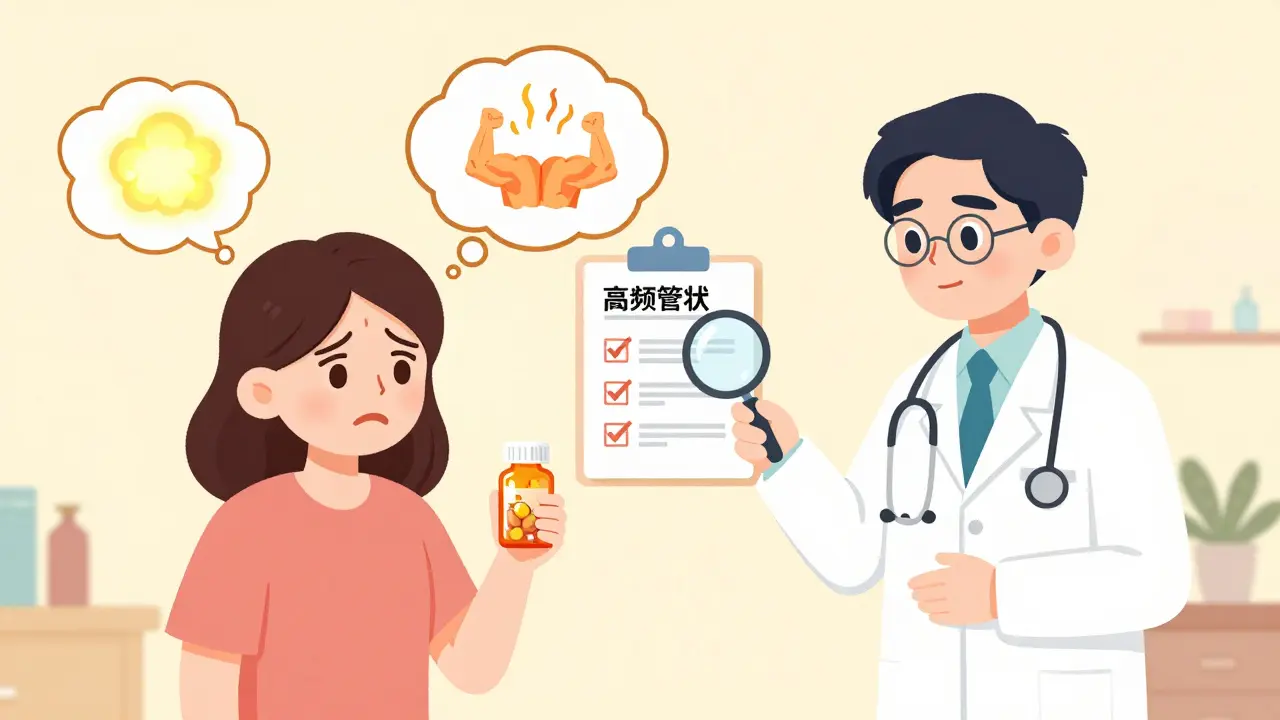
Common Myths About Medication Side Effects Debunked
Debunking dangerous myths about medication side effects that lead people to stop taking life-saving drugs. Learn the truth about antibiotics, statins, OTC painkillers, and more.
Read More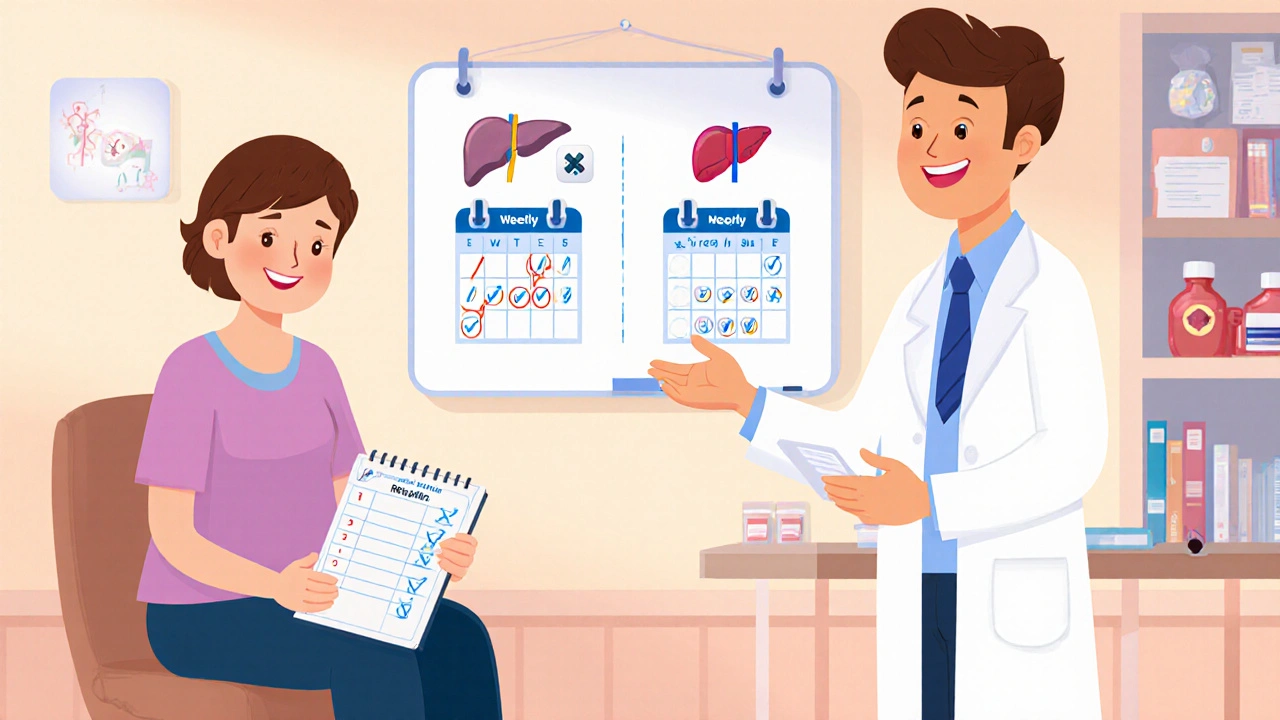
Statin Intolerance Clinics: How Structured Protocols Help Patients Tolerate Cholesterol Medication
Statin intolerance clinics use structured protocols to help patients who experience muscle side effects from cholesterol-lowering drugs. Most can tolerate statins again with the right approach-switching types, lowering doses, or using intermittent schedules.
Read More