Vitamin K Foods: Best Sources and Why They Matter
When you think about vitamins, you probably think of vitamin C for colds or vitamin D for bones. But vitamin K, a fat-soluble vitamin essential for blood clotting and bone health. Also known as phylloquinone (K1) and menaquinone (K2), it’s the quiet hero keeping your blood from pooling and your bones from becoming brittle. Most people don’t realize how little they need — just a fraction of a milligram a day — but getting it from food is far better than any pill.
There are two main types of vitamin K you’ll find in food. vitamin K1, the plant-based form mostly found in green leafy vegetables, is what your body uses first for clotting. vitamin K2, made by bacteria and found in fermented foods and animal products, plays a bigger role in directing calcium to your bones instead of your arteries. You can’t get K2 from spinach, but you can from natto, cheese, or egg yolks. Both types work together — and skipping one can leave gaps in your health.
If you’re eating a lot of kale, spinach, or broccoli, you’re likely already getting enough K1. But if you’re on blood thinners like warfarin, you need to watch your intake — too much can mess with the drug’s effect. That’s why your doctor might ask you to keep your greens steady, not sudden. On the flip side, if you’ve had gut issues, taken antibiotics for a long time, or don’t eat much fat, you might be low on K2. Your body needs fat to absorb it, so tossing a handful of spinach into a salad with olive oil? That’s smarter than eating it plain.
And it’s not just about avoiding bleeding or fractures. Recent studies show people with higher vitamin K intake have lower rates of heart disease and stronger hip bones as they age. It’s not magic — it’s biochemistry. Your liver uses K to make proteins that stop bleeding. Your bones use it to lock in calcium. Your arteries use it to stay flexible. All from food.
Below, you’ll find real-world guides and comparisons that connect vitamin K to medications, diets, and health conditions. Some posts talk about how blood thinners interact with greens. Others show how diet affects clotting after surgery. You’ll see what people actually eat to stay healthy, not just what’s on a chart. No fluff. Just what works.
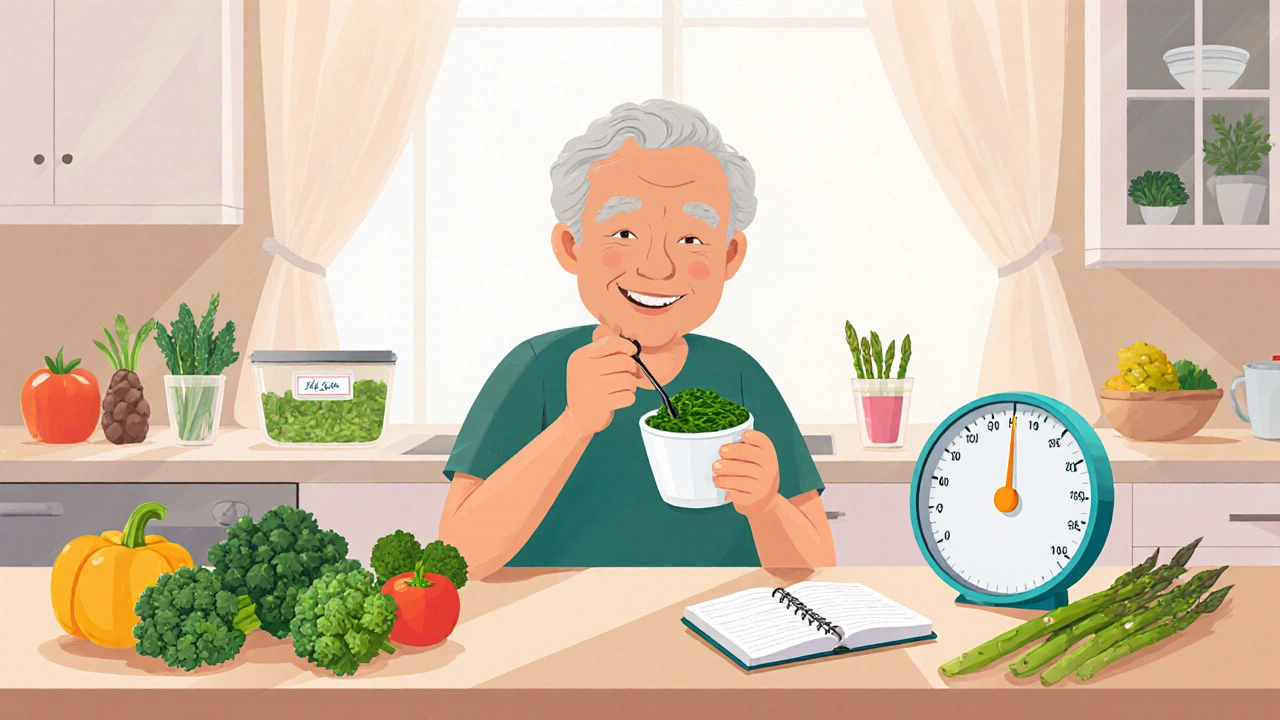
Vitamin K Foods on Warfarin: How to Eat Consistently for Stable Blood Thinners
On warfarin, vitamin K isn't your enemy-it's your ally when eaten consistently. Learn how to stabilize your INR by eating the same amount of greens every day, not avoiding them. No restrictions. Just balance.
Read MoreRecent Posts
-
Managing Different Doses in Combinations: A Guide to Therapeutic Equivalents
-
Addressing Patient Concerns About Generic Medications: Common Questions Answered
-

Chronic Insomnia: Why Sleep Hygiene Alone Fails and What Actually Works
-

Understanding High-Altitude Sedative Risks: Respiratory Safety Guide
-
Online Reviews: How Patient Experiences Shape Trust in Generic Medications
