Biologic Drugs: What They Are, How They Work, and Why They Matter
When you hear biologic drugs, medications made from living organisms like cells or proteins, not synthesized chemicals. Also known as biologics, they’re designed to target specific parts of your immune system or disease process. Unlike regular pills that are chemically identical from batch to batch, biologics are made in living cells—think yeast, bacteria, or hamster ovary cells—and even tiny changes in production can affect how they work. That’s why they’re often more expensive and harder to copy than traditional drugs.
These drugs are the go-to treatment for serious conditions like rheumatoid arthritis, a chronic autoimmune disease where the immune system attacks joints, Crohn’s disease, a type of inflammatory bowel disease that causes gut inflammation, and even some cancers. They work by blocking specific proteins—like TNF-alpha or IL-17—that drive inflammation. Think of them as precision missiles instead of shotgun blasts. That’s why they’re called targeted therapy, a treatment approach that attacks specific molecules involved in disease. But because they’re so complex, they can’t be copied exactly. Instead, similar versions called biosimilars, highly similar versions of biologic drugs with no clinically meaningful differences are approved after years of testing to prove they behave the same way in the body.
What you won’t find in most drugstores are biologics you can swallow. Most come as injections or IV infusions, often requiring visits to a clinic or training to self-administer at home. That’s why many people wonder: are they worth it? For some, yes—they’re life-changing. For others, the cost or side effects make alternatives like older drugs or lifestyle changes more appealing. The posts below cover real-world issues: how drug companies delay cheaper versions, why some patients respond better than others, and how genetic testing might one day predict who benefits most. You’ll also see how these drugs connect to treatments for diabetes, psoriasis, and even multiple sclerosis. Whether you’re a patient, caregiver, or just curious, this collection gives you the straight facts—not the marketing.
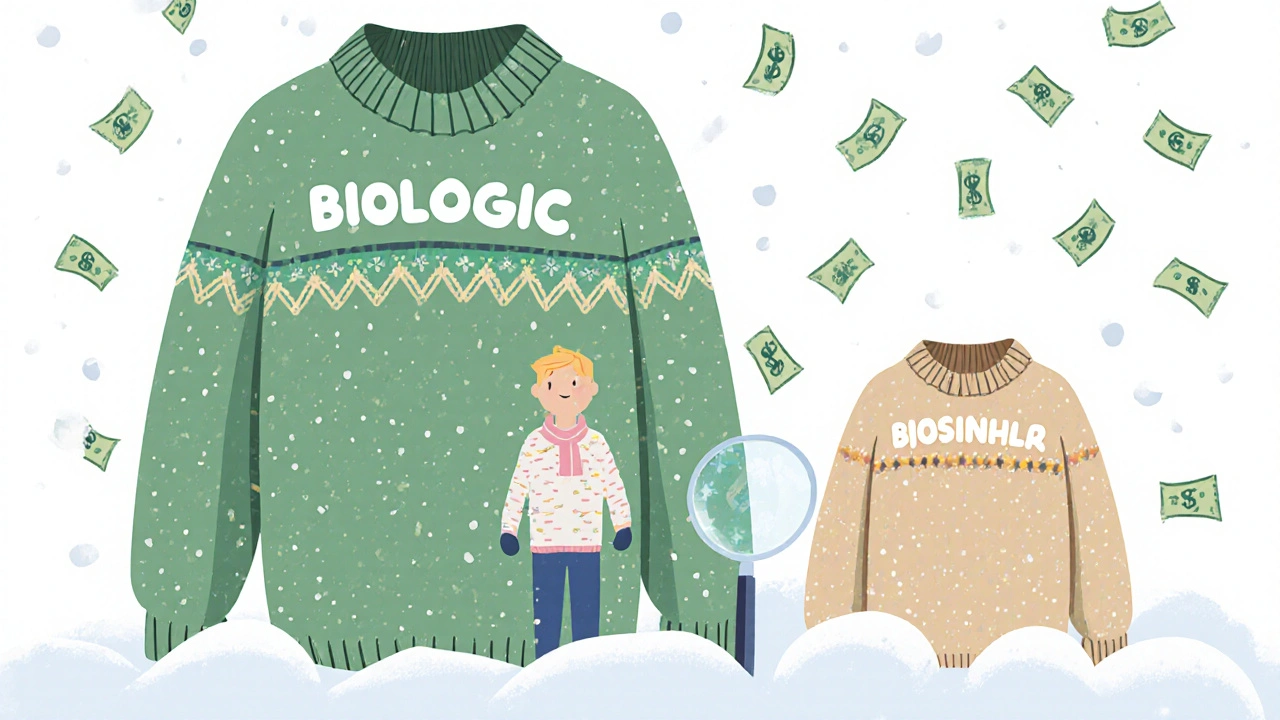
How to Understand Biosimilars and Their Cost Implications
Biosimilars offer the same effectiveness as expensive biologic drugs at 15-30% lower cost. Learn how they work, why they’re safe, and how they’re changing access to life-saving treatments.
Read More