FDA Purple Book: What It Is and Why It Matters for Generic Drugs
When you pick up a generic version of a biologic drug like Humira or Enbrel, the FDA Purple Book, a public database maintained by the U.S. Food and Drug Administration that lists licensed biological products and their interchangeable equivalents. Also known as Biologics and Biosimilars Database, it’s the official source that tells pharmacists and doctors which biosimilars can be swapped in without a new prescription. This isn’t just paperwork—it’s the rulebook that determines whether you get a cheaper version of your life-saving medication or pay full price.
The FDA Purple Book isn’t about regular generics like ibuprofen or metformin. Those are listed in the Orange Book. This one is for biologics, complex drugs made from living cells, like insulin, monoclonal antibodies, and vaccines. Because they’re made from living systems, even tiny changes in manufacturing can alter how they work. That’s why the FDA requires extra proof before calling a biosimilar interchangeable, a type of biosimilar that can be substituted at the pharmacy without the prescriber’s permission. Only a handful of biologics have interchangeable status—most are just biosimilars, meaning they’re similar but can’t be swapped automatically. The Purple Book flags which ones are interchangeable, so you know if your pharmacist can switch your drug without checking with your doctor.
Why does this matter to you? If your insurance requires you to switch to a biosimilar, the Purple Book tells you whether that switch is safe and legal. If you’re on a drug like adalimumab and your doctor prescribes the brand, but your pharmacy tries to give you a biosimilar, the Purple Book is what the pharmacist checks to see if it’s interchangeable. Without that, they can’t legally substitute it. This protects you from unexpected changes that could affect your treatment. It also helps reduce costs: when interchangeable biosimilars enter the market, prices drop by 15-30%, according to real-world data from Medicare and private insurers.
Behind the scenes, the FDA uses data from clinical trials, lab studies, and real-world outcomes to decide which biosimilars make it into the Purple Book. The process is strict. A drug can’t just be "close enough." It has to match the original in structure, function, safety, and immune response. That’s why only about 20 interchangeable biosimilars have been approved since 2015—out of hundreds of biologics on the market. And while the list grows slowly, each addition means more people can access affordable treatments for arthritis, cancer, diabetes, and autoimmune diseases.
What you’ll find in the posts below are real stories and practical guides tied to this system: how generic switching affects warfarin users, why NTI drugs need stricter standards, how insurance fights back against brand-name monopolies, and what happens when a drug’s manufacturer pulls a product to block cheaper alternatives. These aren’t abstract policies—they’re daily realities for patients, pharmacists, and caregivers. Whether you’re managing a chronic condition, helping an older relative take their meds, or just trying to save money on prescriptions, understanding the FDA Purple Book helps you ask the right questions and push back when needed.
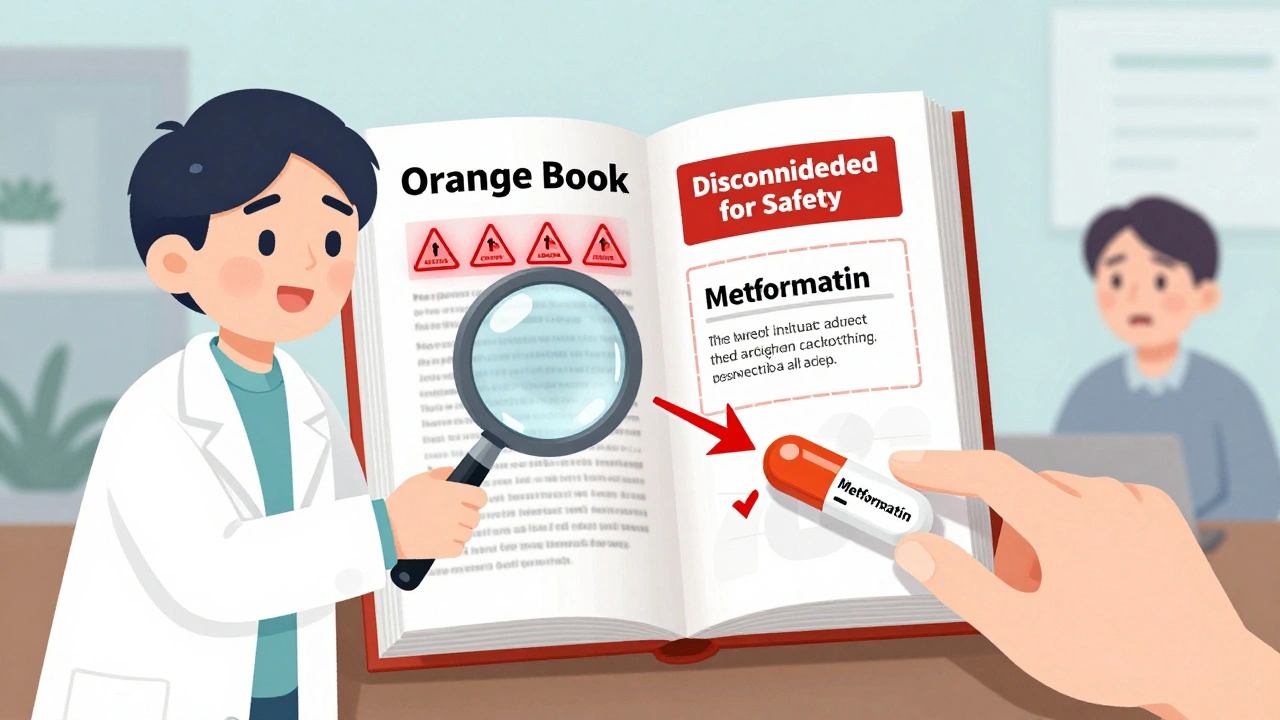
How to Use the FDA Orange Book and Purple Book for Drug Safety Information
Learn how to use the FDA's Orange Book and Purple Book to verify drug safety, spot withdrawn medications, and choose safe biosimilars and generics. Essential for pharmacists, providers, and informed patients.
Read More