INR Monitoring: What It Is, Why It Matters, and How to Get It Right
When you’re on a blood thinner like warfarin, a common anticoagulant used to prevent dangerous blood clots. Also known as Coumadin, it requires careful tracking to stay effective without causing bleeding risks. That’s where INR monitoring, a simple blood test that measures how long it takes your blood to clot comes in. INR stands for International Normalized Ratio. It’s not a fancy number—it’s your safety gauge. Too low, and you risk a stroke or clot. Too high, and you could bleed internally. The goal isn’t to chase one perfect number every time, but to keep it steady within your doctor’s target range, usually between 2 and 3 for most people.
What changes your INR? A lot more than you think. Vitamin K, a nutrient found in leafy greens like spinach, kale, and broccoli directly fights warfarin’s effect. But here’s the catch: you don’t need to avoid these foods. You just need to eat about the same amount every day. A big salad one day and none the next? That’s what sends your INR swinging. Other things that shift your INR include alcohol, certain antibiotics, herbal supplements like St. John’s wort, and even changes in your liver function. Even something as simple as switching generic brands of warfarin can throw things off—because not all generics behave the same, especially for narrow therapeutic index (NTI) drugs, medications where tiny dose changes can cause big problems. Warfarin is one of them.
That’s why regular INR checks aren’t optional—they’re the reason you’re still here. Some people test weekly. Others every few weeks. It depends on how stable you are. Home testing devices exist, and many patients find them easier than driving to a lab. But no matter how you test, the real power comes from connecting the dots: what you ate, what meds you took, how much you drank, how you slept. Your INR doesn’t lie. It tells you what your body is doing. And when you learn to read it, you stop being at the mercy of your medication—you start managing it.
Below, you’ll find real-world guides that break down exactly how to keep your INR stable, what foods help or hurt, how to avoid dangerous drug combos, and why consistency beats restriction every time. No myths. No scare tactics. Just what works.

Managing Warfarin and Antibiotics: Common Interaction Issues
Warfarin and antibiotics can interact dangerously, raising bleeding risk. Learn which antibiotics are high-risk, how to monitor INR, and what to do when starting a new antibiotic while on warfarin.
Read More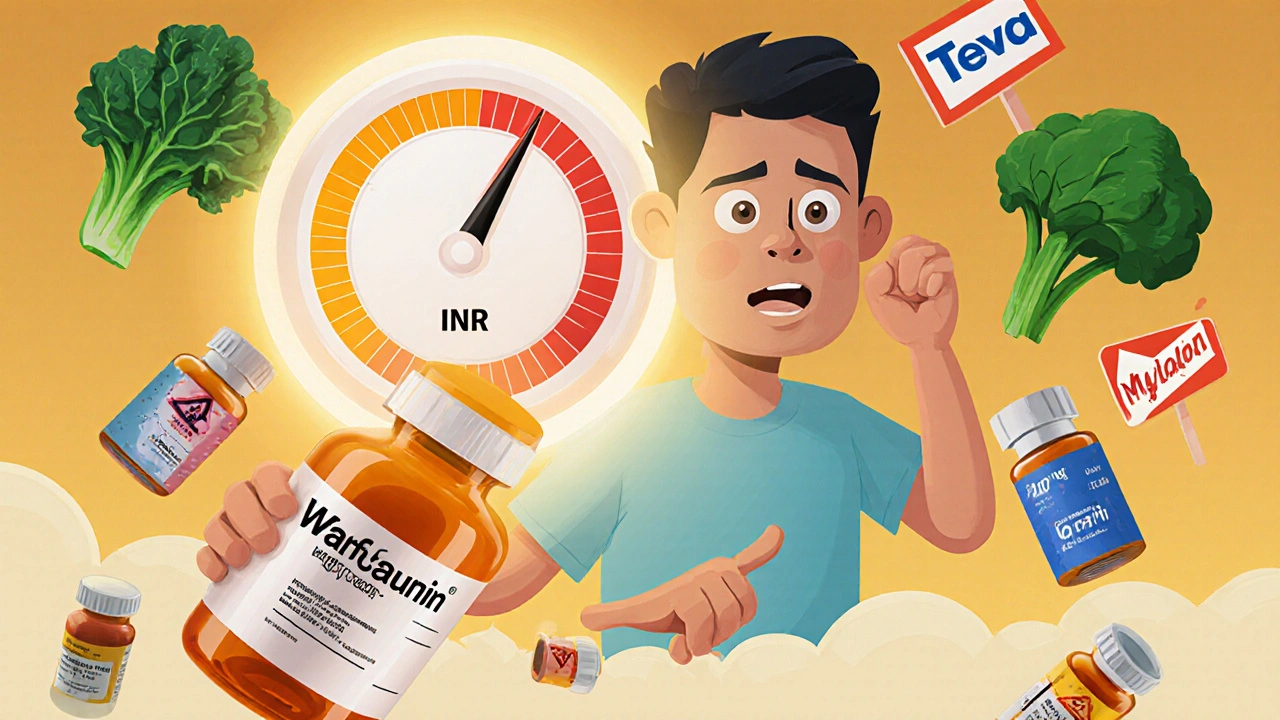
Warfarin and Generic Switching: What You Need to Know About INR Monitoring and Safety
Switching between generic warfarin brands can affect your INR levels. Learn why close monitoring is essential, how diet and medications interact with warfarin, and when to consider switching to newer anticoagulants.
Read MoreRecent Posts
-

Chronic Insomnia: Why Sleep Hygiene Alone Fails and What Actually Works
-

Online Reviews: How Patient Experiences Shape Trust in Generic Medications
-

Long-Term Antihistamine Use: Why Your Allergy Medication Might Stop Working
-

Understanding High-Altitude Sedative Risks: Respiratory Safety Guide
-
Addressing Patient Concerns About Generic Medications: Common Questions Answered
