NTI Generics: What They Are, Why They Matter, and How to Spot Real Deals
When you hear NTI generics, Narrow Therapeutic Index generics are medications where even tiny changes in dose or absorption can cause serious side effects or treatment failure. Also known as narrow therapeutic index drugs, these aren’t your typical generic pills—they demand precision, and not every generic version is created equal. Think of them like a tightrope walk: too little and the drug doesn’t work; too much and you risk toxicity. That’s why the FDA treats them differently—and why some doctors hesitate to switch patients from brand names to generics without careful monitoring.
NTI generics cover drugs like warfarin, a blood thinner where small changes in INR levels can lead to clots or dangerous bleeding, levothyroxine, the thyroid hormone replacement that needs consistent dosing to keep metabolism stable, and phenytoin, an anti-seizure medicine with a narrow safety window. These aren’t just any pills. A 10% shift in blood levels might be fine for an antibiotic, but for these, it’s a medical emergency waiting to happen. That’s why the FDA requires stricter bioequivalence testing for NTI generics than for regular ones—yet even then, some patients still report issues after switching.
Here’s the catch: not all pharmacies or online sellers follow the same rules. You might see a cheap NTI generic online labeled "FDA-approved," but without proper verification, you could be getting a version that doesn’t meet the standard. That’s why checking for VIPPS accreditation, a seal that tells you the pharmacy meets U.S. safety and licensing standards matters more than price alone. And if you’re on one of these drugs, never switch generics without talking to your doctor. Some people do fine with a generic swap; others need the exact same formulation they’ve been on for years. It’s not about brand loyalty—it’s about safety.
Behind the scenes, drug companies often delay generic competition for NTI drugs using legal tricks like product hopping, where they tweak the original drug just enough to reset patent clocks and block cheaper alternatives. That’s why you’ll sometimes see only one or two generic options available—even years after the patent expires. The result? Patients pay more than they should, and some are stuck with the brand name simply because safer generics aren’t on the market yet.
What you’ll find below are real, practical guides that cut through the noise. From how to verify your pharmacy’s legitimacy to understanding why your INR changed after switching meds, these posts give you the tools to protect yourself. No fluff. No marketing. Just what you need to know when your health depends on getting the right dose, every time.
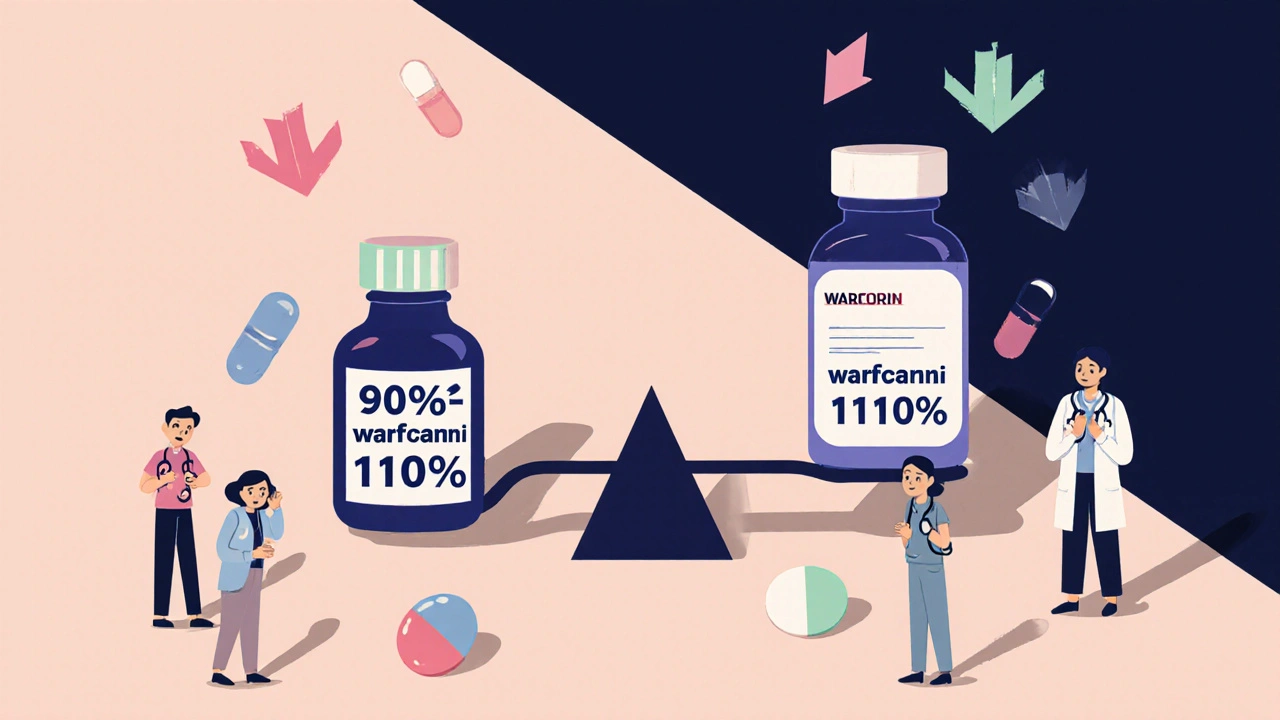
Bridging Studies for NTI Generics: Ensuring Safety and Efficacy
NTI generics require stricter bioequivalence studies than standard generics to ensure safety. Learn how bridging studies, FDA guidelines, and complex trial designs protect patients using critical medications like warfarin and levothyroxine.
Read More