Drug Safety: Protect Yourself from Dangerous Interactions and Errors
When we talk about drug safety, the practice of using medications in a way that minimizes harm and prevents avoidable errors. Also known as medication safety, it’s not just about following the label—it’s about understanding how your body reacts, what else you’re taking, and who’s managing your care. Every year, hundreds of thousands of people end up in emergency rooms because of preventable drug mistakes. Many of these aren’t caused by bad decisions—they’re caused by confusion, lack of communication, or hidden risks built into how drugs are prescribed and dispensed.
Drug interactions, when two or more medications affect each other’s performance or increase side effects are one of the biggest threats. Take lithium and ibuprofen—combine them, and your lithium levels can spike by 60%, risking kidney damage. Or goldenseal and metformin: that herbal supplement can cut metformin’s effectiveness by a quarter, throwing blood sugar out of control. These aren’t rare cases. They happen because people don’t know what’s in their medicine cabinet—or because pharmacies switch generics without warning. That’s where generic substitution, the practice of replacing brand-name drugs with cheaper versions approved as equivalent gets risky. For drugs with a narrow therapeutic index, a tiny difference in dosage can mean the difference between healing and harm—like warfarin, phenytoin, or digoxin—switching brands can throw off your INR, trigger seizures, or cause heart rhythm problems. The FDA has special rules for these, but not all pharmacies follow them closely.
And it’s not just about what’s in the pill. It’s about how you take it. Caregivers juggling multiple meds for aging parents often miss doses or mix up schedules. Older adults forget why they’re taking five pills a day. Drivers on DOT-mandated meds risk losing their licenses if they take something banned. Even something as simple as drinking alcohol with diabetes meds can drop your blood sugar into danger zone. Drug safety means asking: Who told you to take this? When was the last time your meds were reviewed? Are you using a pill organizer? Do you know what happens if you skip one? These aren’t just tips—they’re lifesavers.
Below, you’ll find real-world guides that cut through the noise. From how to spot counterfeit pharmacies to why your statin side effects might not be permanent, from managing warfarin with vitamin K to stopping opioid-induced breathing drops at night—each post gives you the exact steps to protect yourself or someone you care about. No fluff. No theory. Just what works.
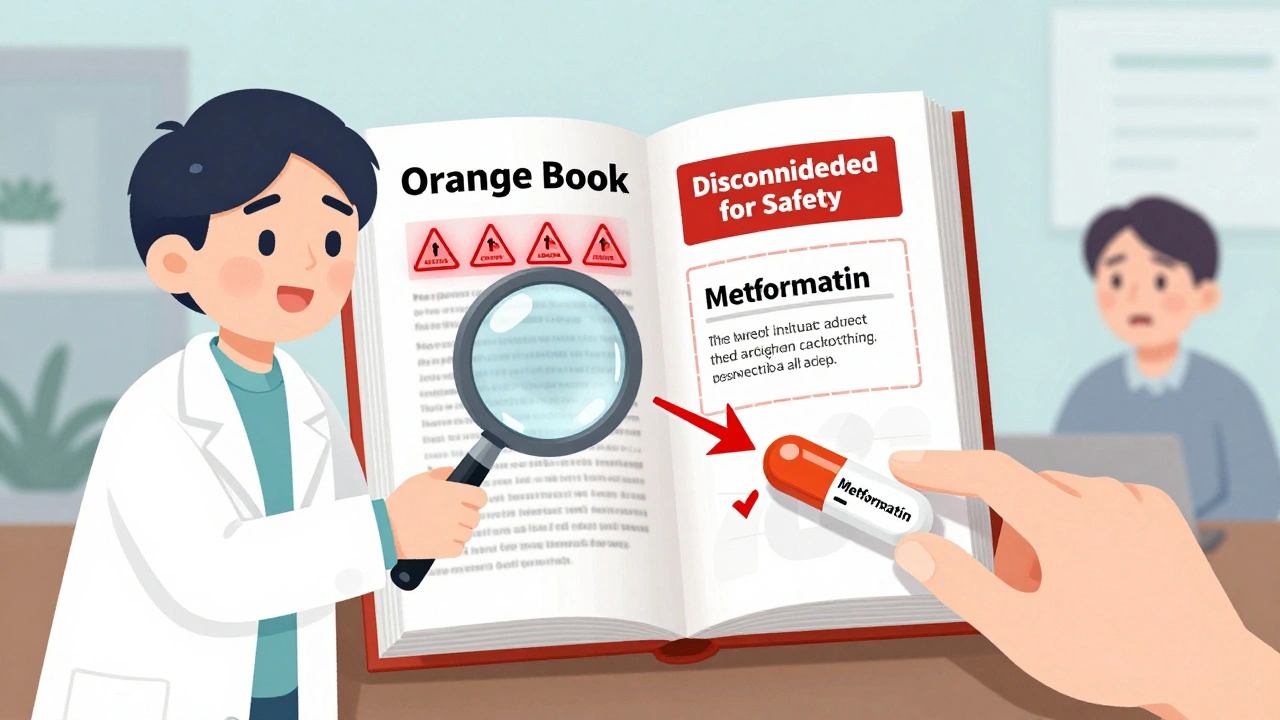
How to Use the FDA Orange Book and Purple Book for Drug Safety Information
Learn how to use the FDA's Orange Book and Purple Book to verify drug safety, spot withdrawn medications, and choose safe biosimilars and generics. Essential for pharmacists, providers, and informed patients.
Read More