Respiratory Depression: Causes, Risks, and Medications That Can Trigger It
When your breathing slows too much, it’s called respiratory depression, a life-threatening condition where the body doesn’t take in enough oxygen or expel enough carbon dioxide. Also known as hypoventilation, it’s not just feeling sleepy—it’s when your brain stops telling your lungs to work, and you could stop breathing entirely. This isn’t rare. It’s the leading cause of death in opioid overdoses, and it can happen with other drugs too—like sedatives, sleep aids, or even mixing alcohol with prescription meds.
Opioids, including morphine, oxycodone, and fentanyl, are the most common culprits. They bind to brain receptors that control breathing, and even small overdoses can shut it down. Benzodiazepines, like Xanax or Valium, are another major risk, especially when taken with opioids. The combo doesn’t just add up—it multiplies the danger. And it’s not just illegal drugs. Even people taking prescribed painkillers or anxiety meds can slip into respiratory depression if they miss a dose, take too much, or mix them with alcohol or other depressants. Sedatives, including barbiturates and sleep medications like zolpidem, also carry this risk, particularly in older adults or those with lung conditions like sleep apnea. The problem gets worse if you’re on multiple drugs that slow your nervous system. That’s why medication safety isn’t just about taking pills right—it’s about knowing what they do together.
People with chronic pain, mental health conditions, or sleep disorders are often on these meds long-term. That doesn’t mean they’re at high risk—but it does mean they need to be watched. A simple change, like switching from one painkiller to another or adding a new sleep aid, can push someone over the edge. That’s why pharmacists check for interactions, why doctors ask about all your meds, and why caregivers need to know the signs: slow or shallow breathing, blue lips, confusion, or not waking up easily.
The posts below give you real, practical info on how medications interact, how to spot danger before it’s too late, and how to manage your drugs safely. You’ll find guides on opioid safety, how sedatives affect breathing, what to do if you’re on multiple drugs, and how to talk to your doctor about risks. No fluff. No theory. Just what you need to keep yourself or someone you care about breathing normally.

Understanding High-Altitude Sedative Risks: Respiratory Safety Guide
Learn the critical risks of mixing sedatives with high-altitude travel. Discover how respiratory depression affects oxygen levels and which sleep aids are safe.
Read More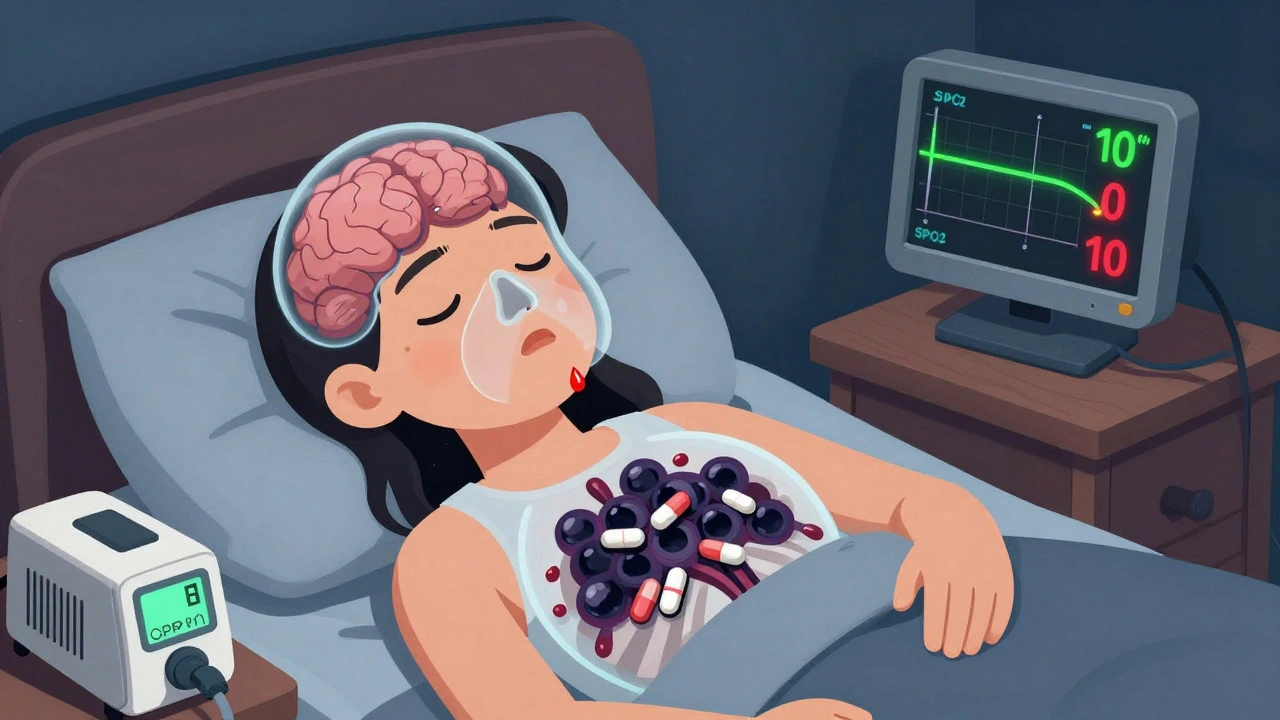
Sleep Apnea and Opioids: How Opioid Use Increases Nighttime Oxygen Drops
Opioids can severely worsen sleep apnea, leading to dangerous drops in nighttime oxygen. Learn how opioid use increases the risk of life-threatening hypoxia and what steps you can take to protect your breathing.
Read More