Author: david perrins - Page 2
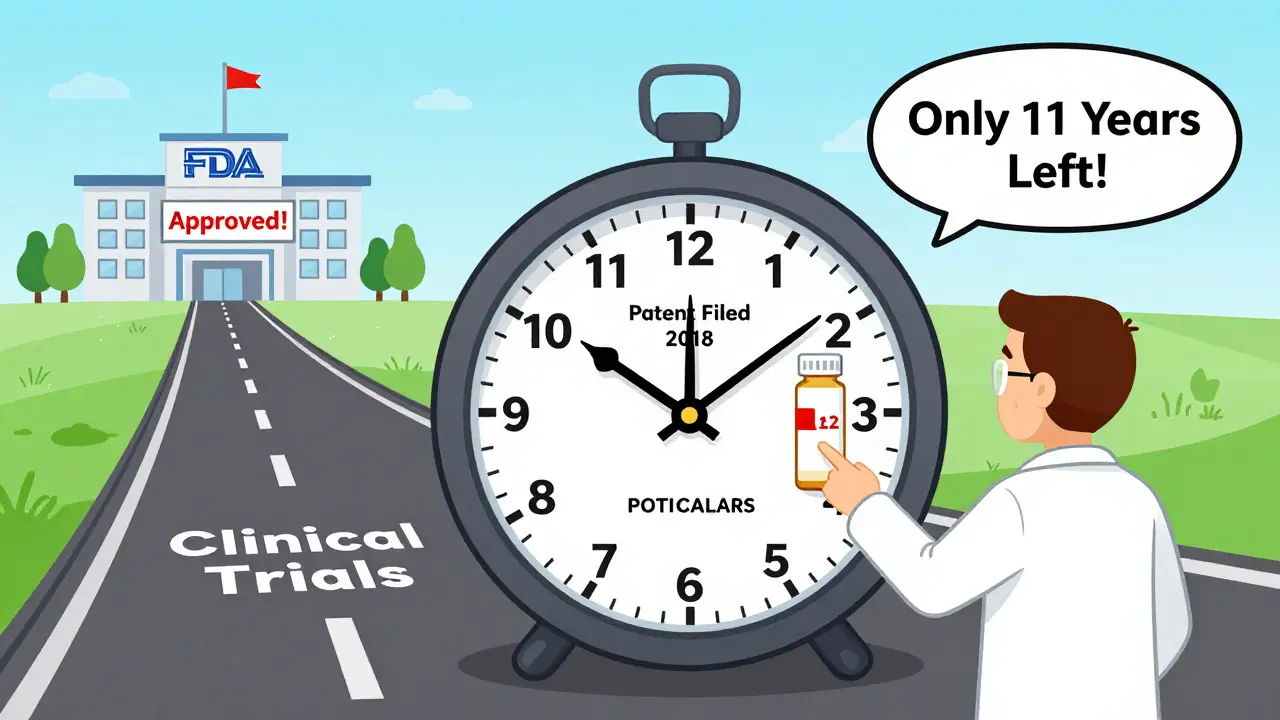
When Do Drug Patents Expire? Understanding the 20-Year Term and Real-World Timelines
Drug patents last 20 years from filing, but most drugs lose exclusivity in just 7-12 years due to long development times. Learn how patent extensions, regulatory exclusivity, and legal tactics shape when generics enter the market.
Read More
How to Manage Interactions When Starting a New Medication
Learn how to prevent dangerous drug interactions when starting a new medication. Know the top 5 risky combos, what to ask your doctor, and how supplements like St. John’s Wort can sabotage your treatment.
Read More
Esketamine Nasal Spray: What You Need to Know About Dissociation, Blood Pressure, and Monitoring
Esketamine nasal spray (Spravato) is a breakthrough treatment for treatment-resistant depression, but it comes with strict monitoring due to dissociation and blood pressure spikes. Learn how it works, what to expect, and why safety protocols matter.
Read More
CPAP Troubleshooting: Fix Dry Mouth, Mask Leaks, and Pressure Issues
Fix dry mouth, mask leaks, and pressure issues with simple, proven CPAP troubleshooting tips. No guesswork-just clear steps to get back to restful sleep.
Read More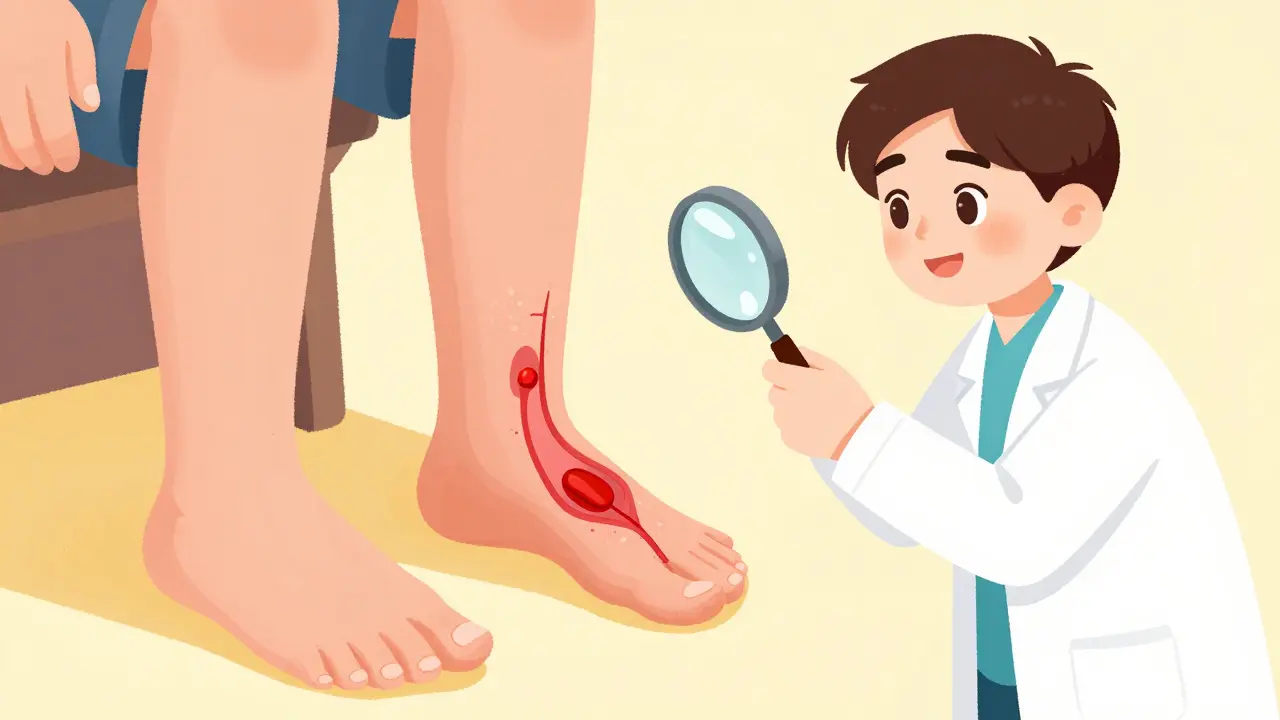
When to Call Your Doctor for Hand and Foot Swelling from Medications
Learn when hand and foot swelling from medications requires medical attention. Key signs, when to contact your doctor, and management strategies explained.
Read More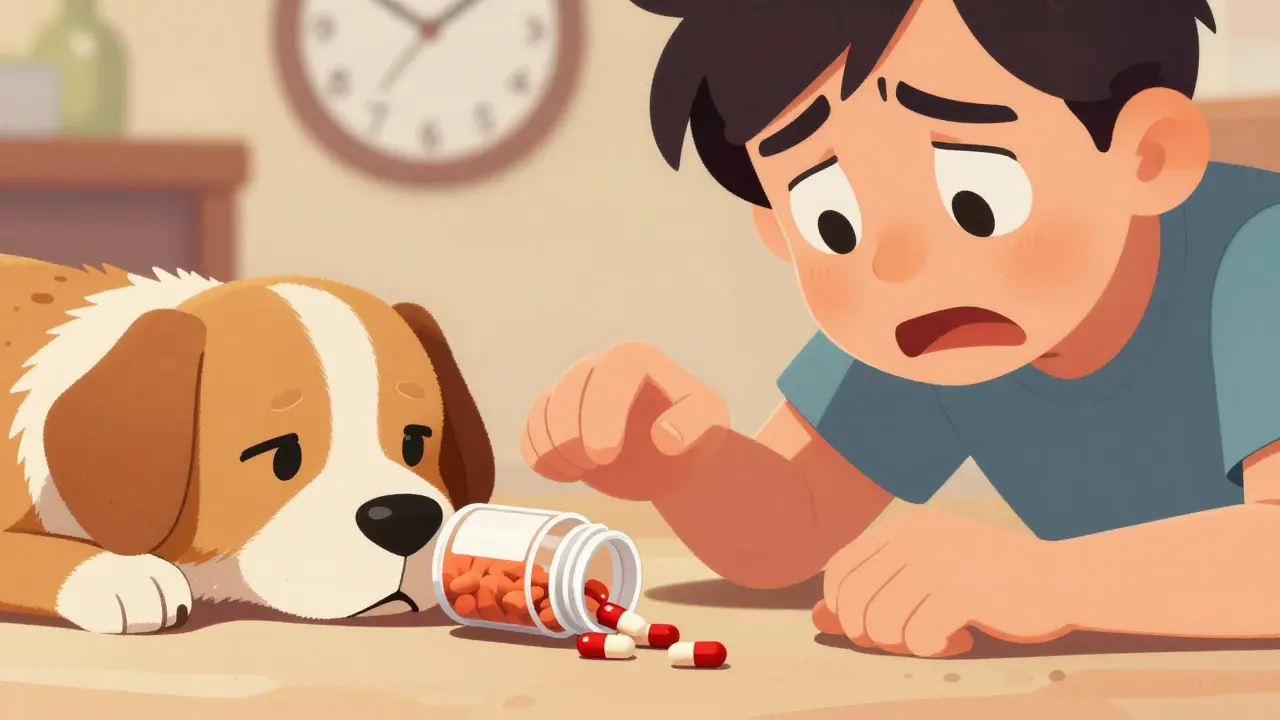
How to Recognize Pet Overdose from Human Medications: Symptoms & Immediate Actions
Learn to spot overdose symptoms in pets from human medications like antidepressants and NSAIDs. Discover critical signs, species-specific reactions, and immediate steps to save your pet. Time is critical-treatment within 2 hours reduces mortality from 28% to 4%. Always call the Pet Poison Helpline for expert guidance.
Read More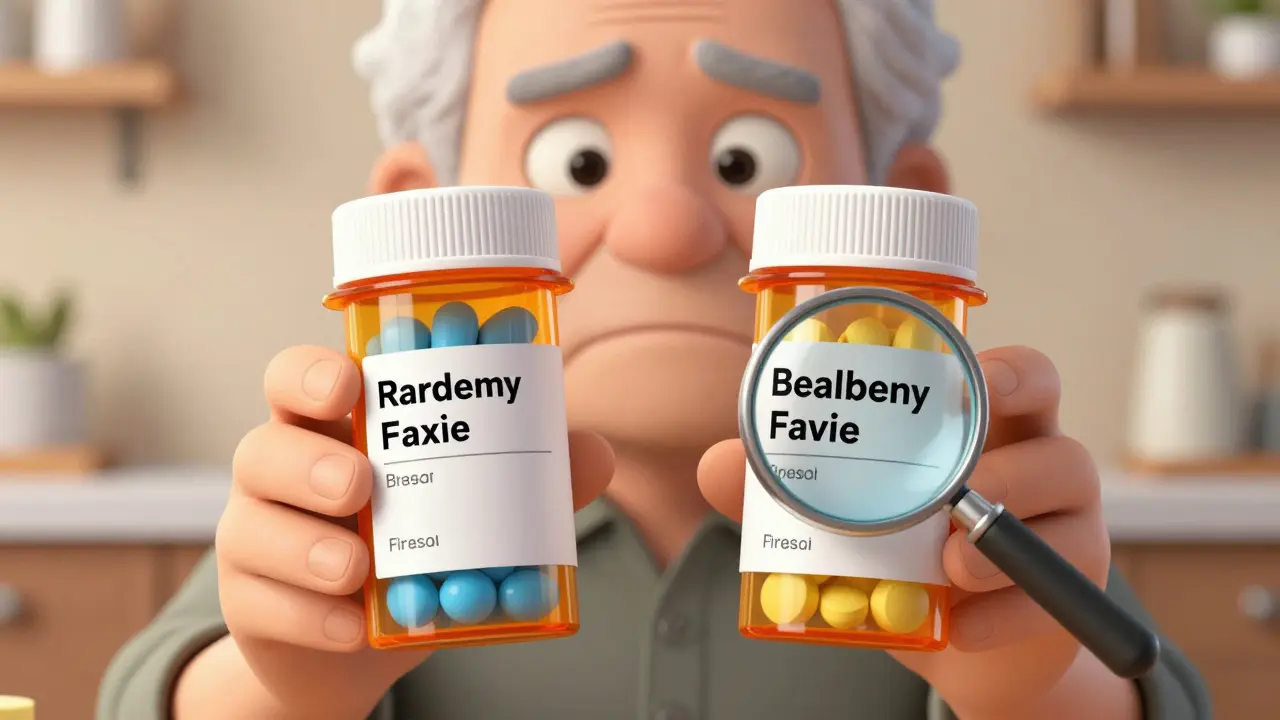
How to Compare New Prescription Labels with Your Old Medication for Safety
Learn how to safely compare your new prescription label with your old one to avoid dangerous medication errors. Know what to check, how to spot mismatches, and when to call your pharmacist.
Read More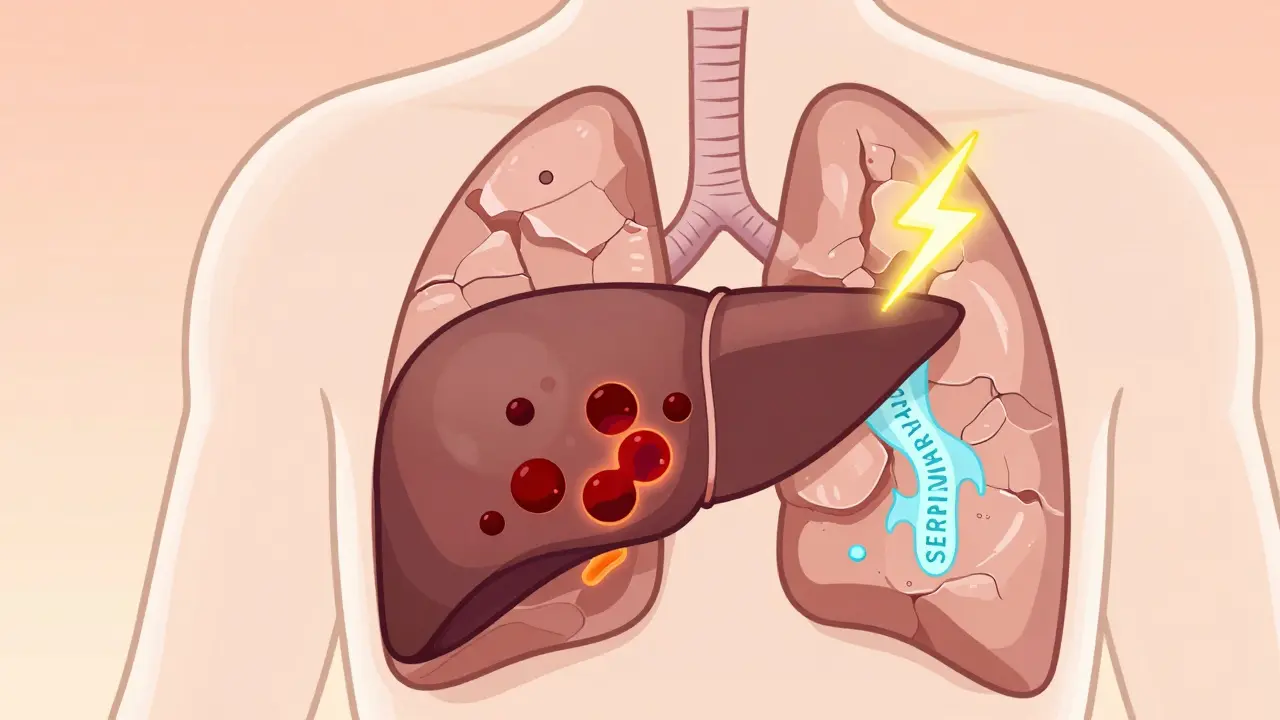
Alpha-1 Antitrypsin Deficiency: The Genetic Cause of Early-Onset COPD and What You Can Do
Alpha-1 Antitrypsin Deficiency is a genetic cause of early-onset COPD that affects 1 in 2,000 people. Often misdiagnosed, it requires specific testing and lifelong treatment. Learn how to spot it and what treatments are available.
Read More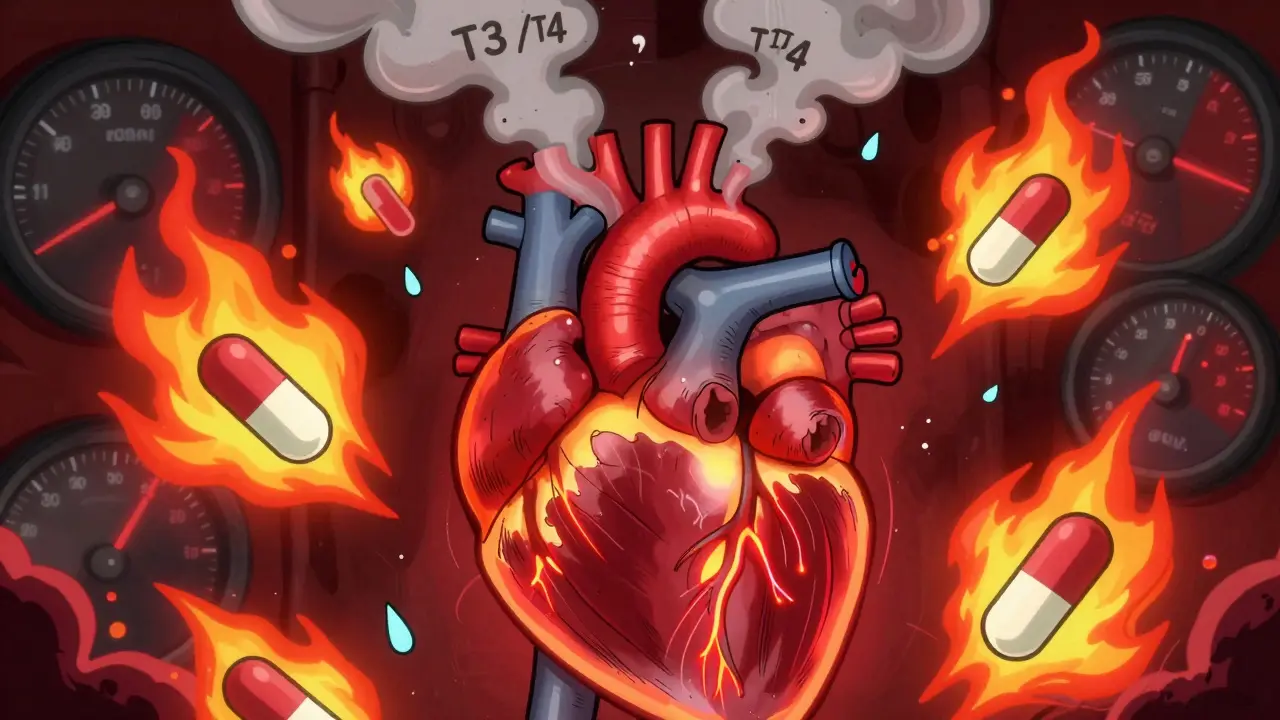
Hyperthyroidism and Stimulant Medications: Heart and Anxiety Risks
Hyperthyroidism and stimulant medications like Adderall can dangerously increase heart rate and anxiety. Learn the risks, alternatives, and what to do if you're taking both.
Read More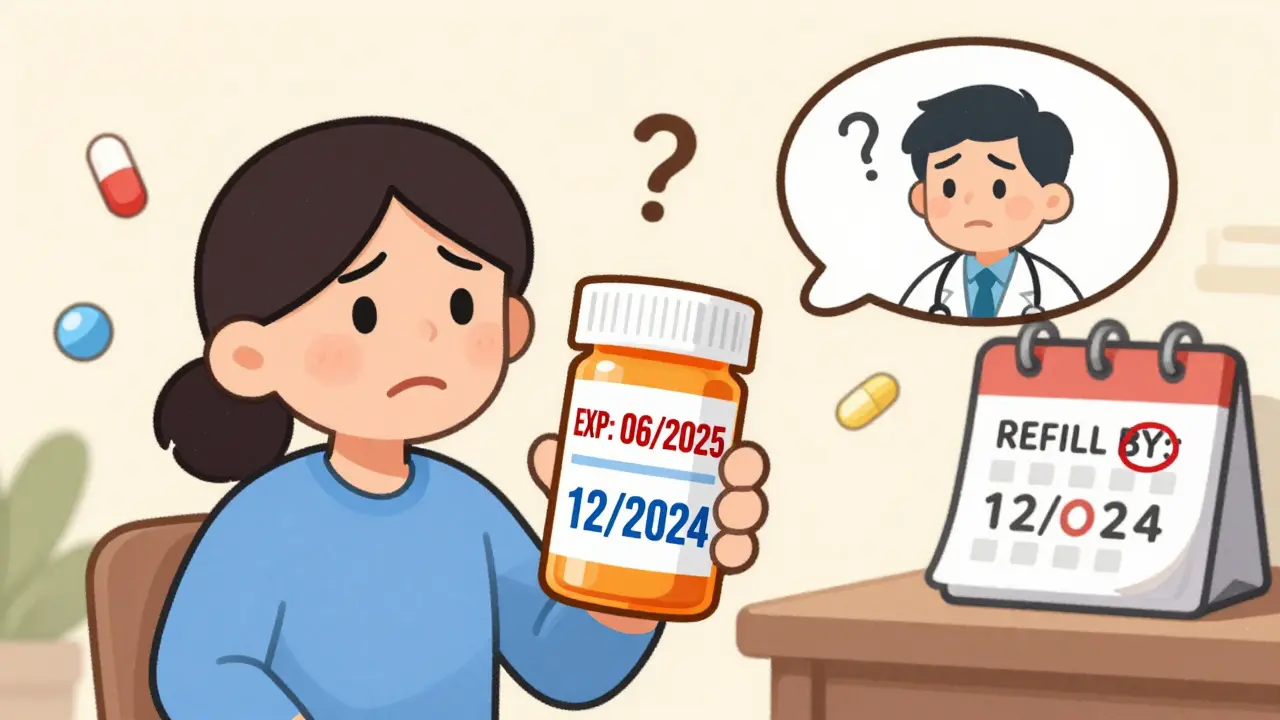
Refill-By Dates vs. Expiration Dates on Prescription Labels: What You Need to Know
Understand the critical difference between refill-by and expiration dates on prescription labels to avoid medication gaps, waste, or safety risks. Learn how each date works-and what to do when they expire.
Read MoreRecent Posts
-
Packing Medications for Air Travel: Best Practices for Safety
-
Online Reviews: How Patient Experiences Shape Trust in Generic Medications
-
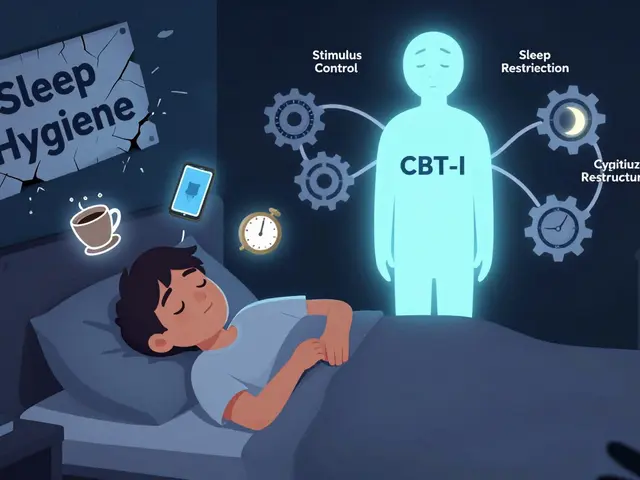
Chronic Insomnia: Why Sleep Hygiene Alone Fails and What Actually Works
-
Addressing Patient Concerns About Generic Medications: Common Questions Answered
-
OTC Gas and Bloating Remedies: Simethicone vs Enzyme Products Explained
